Introduction: The Literature of Democratic Transformation
Welcome to the definitive Voting Rights Reading List, a curated guide by blackpolitics.org. This history begins in the immediate aftermath of slavery, emerging from the revolutionary crucible of Reconstruction. The history of voting rights in the American South is a narrative forged at the intersection of systematic institutional disenfranchisement and unyielding grassroots resistance. To truly understand the evolution of this struggle, researchers, historians, and engaged citizens must move past simplified timelines to examine the deep legal structures, demographic shifts, and organizing traditions that defined the region.
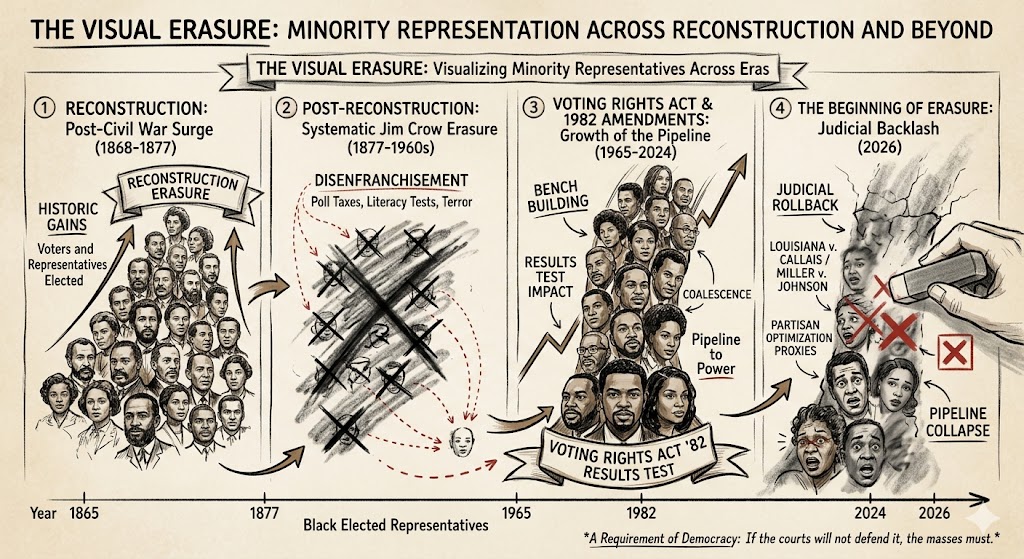
To that end, and consistent with the historical research and archival articles published on this website, this annotated bibliography is designed to mirror and reproduce that very history while building a foundational understanding of Southern political history. The texts selected below—ranging from rigorous quantitative analysis to definitive legal histories—offer an indispensable roadmap. They trace a complex trajectory from the revolutionary promise of the Civil War Amendments and Reconstruction, through the devastating federal betrayal that ushered in Jim Crow and systemic disenfranchisement, to the mid-century federal intervention that was forced by the unyielding Movement of the people to transform local democracy once again. Ultimately, this collection reveals why those hard-won democratic gains remain subject to ongoing contestation today.
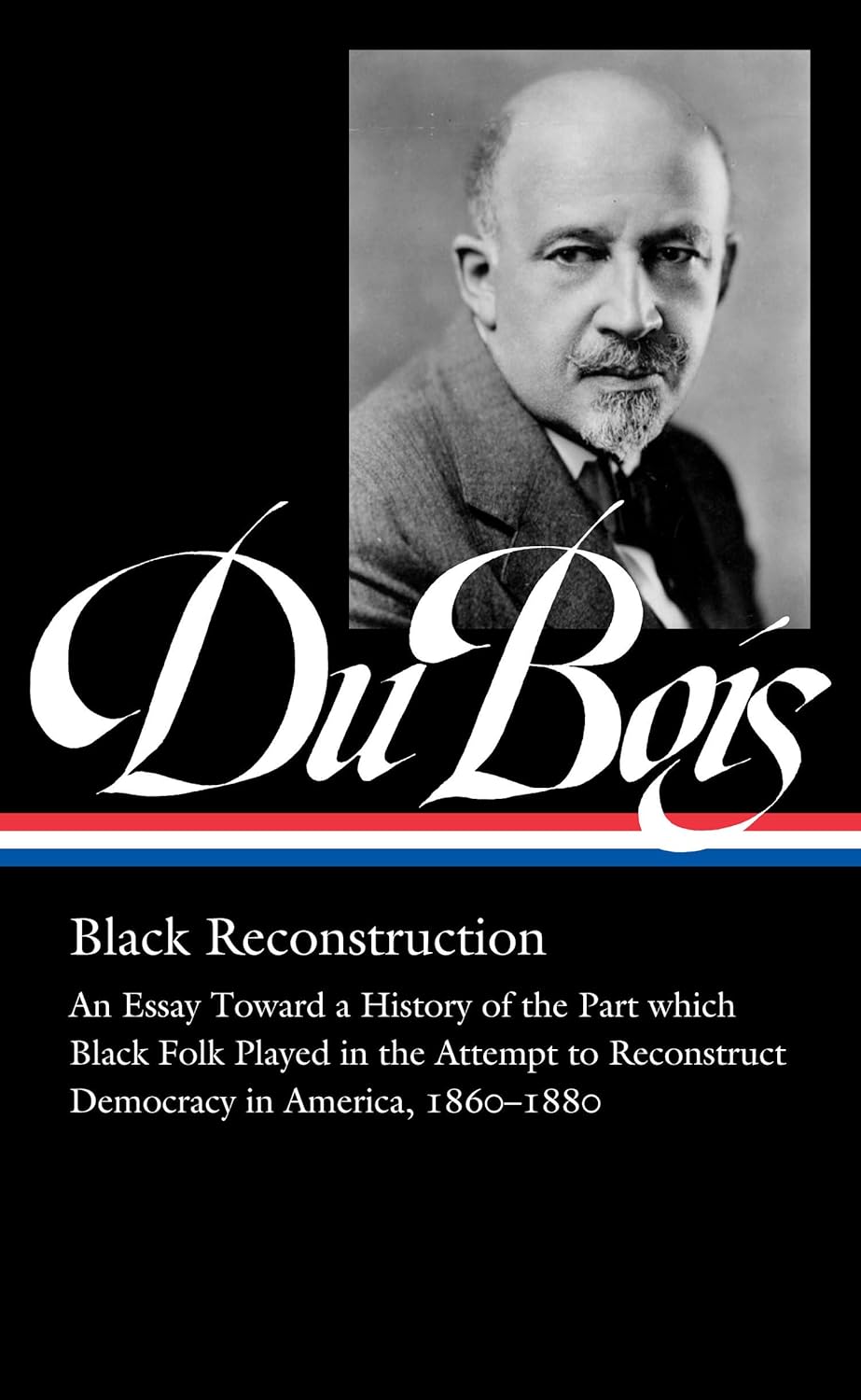
BLACK RECONSTRUCTION: AN ESSAY TOWARD A HISTORY OF THE PART WHICH BLACK FOLK PLAYED IN THE ATTEMPT TO RECONSTRUCT DEMOCRACY IN AMERICA, 1860–1880
By W.E.B. Du Bois
The Analysis: A monumental, paradigm-shifting masterpiece of American history that completely upends the traditional, biased myths of the Reconstruction era. Du Bois brilliantly reexamines the post-Civil War period through a rigorous socio-economic and political lens, framing enslaved workers as active agents who staged a general strike, built the foundations of public education in the South, and fiercely championed an expansive interracial democracy. This text stands as an indispensable intellectual anchor, tracing the direct historical roots of structural disenfranchisement and the enduring struggle for true democratic representation.
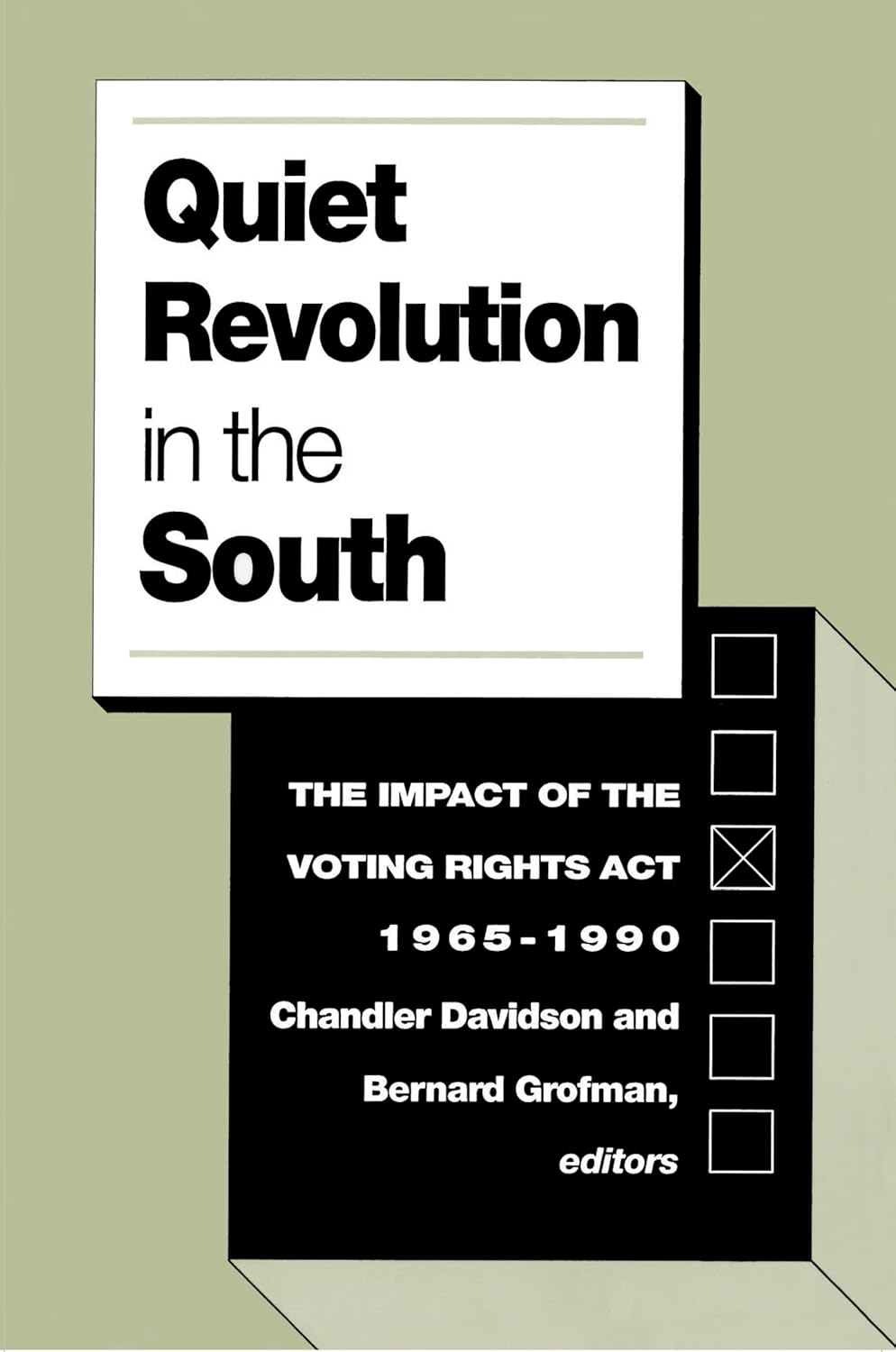
Quiet Revolution in the South: The Impact of the Voting Rights Act, 1965-1990
Edited by: Chandler Davidson and Bernard Grofman
The Analysis: This landmark study is arguably the most comprehensive analysis of how the Voting Rights Act (VRA) altered the political landscape of the South. Moving away from broad generalizations, it offers rigorous, state-by-state data tracking the rise of Black electoral power and the structural counter-strategies deployed to contain it. It remains an essential archival anchor for anyone seeking to understand the quantitative and qualitative impact of federal intervention on local democracy.
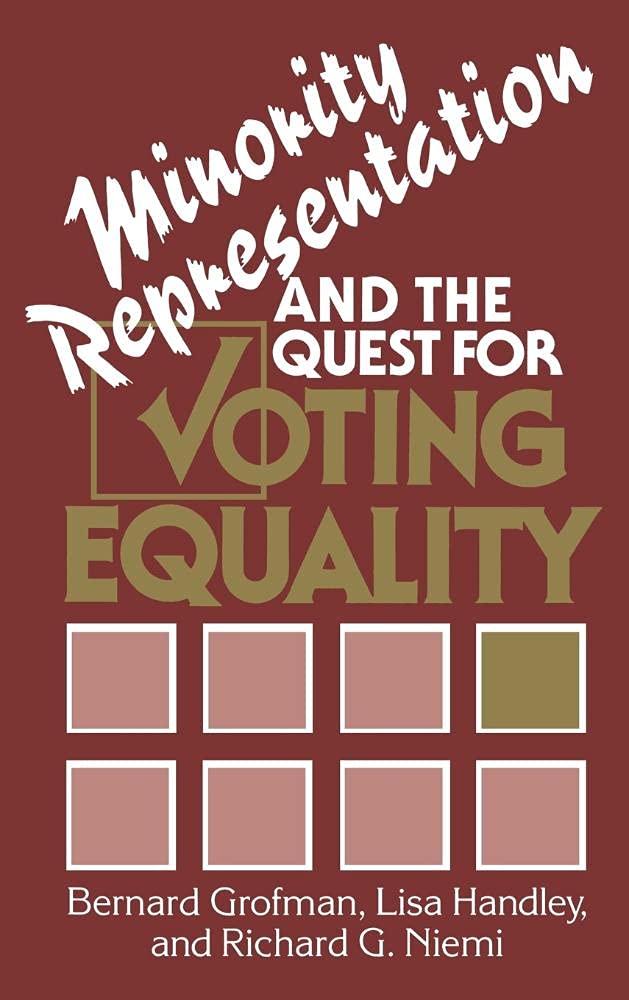
Minority Representation and the Quest for Voting Equality
By Bernard Grofman, Lisa Handley, and Richard G. Niemi
The Analysis: A definitive, authoritative examination of the complex intersections between minority political empowerment, voting rights jurisprudence, and electoral engineering. Written by three of the nation’s leading experts on redistricting and voting behavior, this volume dissects the structural mechanisms of the Voting Rights Act and evaluates how alternative districting schemes alter minority representation. By combining rigorous empirical data with sharp legal analysis, it serves as an indispensable resource for understanding the ongoing, high-stakes battle to achieve genuine equality at the ballot box.
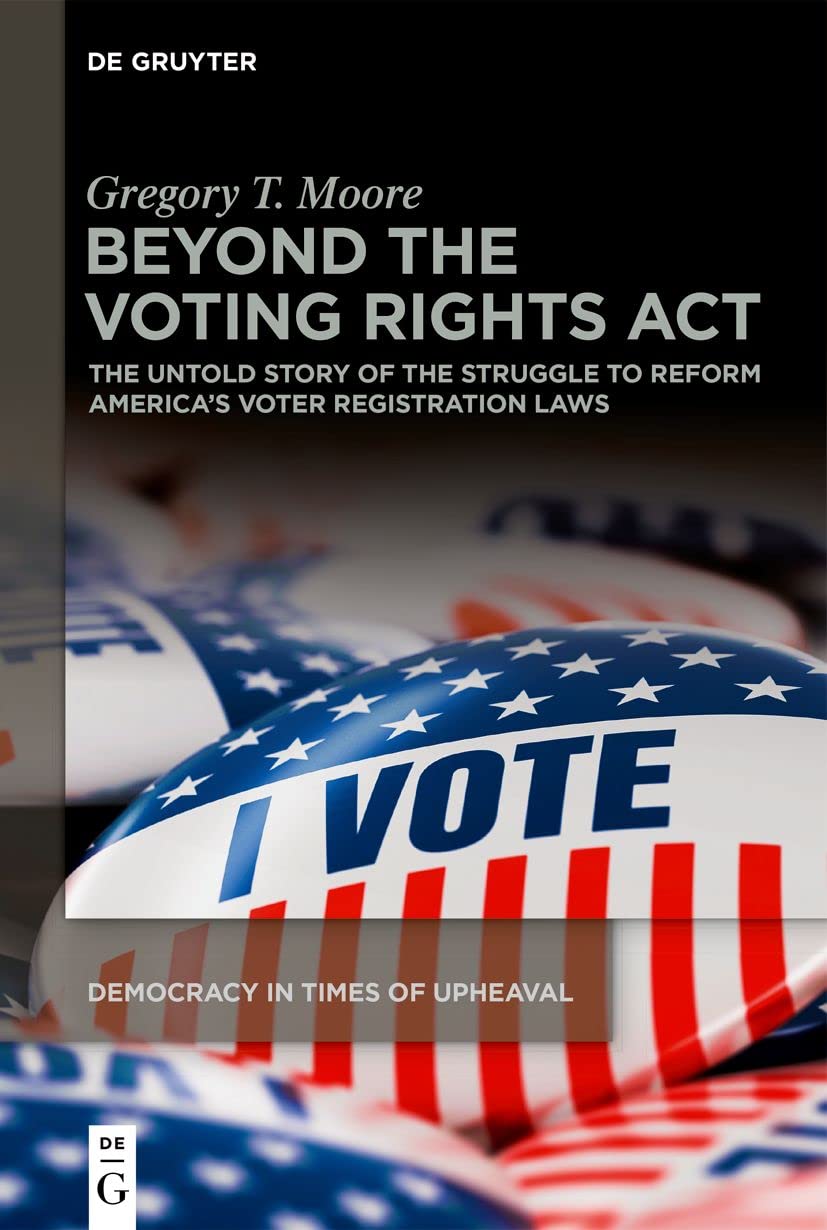
BEYOND THE VOTING RIGHTS ACT: THE UNTOLD STORY OF THE STRUGGLE TO REFORM AMERICA’S VOTER REGISTRATION LAWS
By Gregory T. Moore
The Analysis: A comprehensive and vital exploration of the protracted legislative and grassroots battles to modernize America’s archaic voter registration systems. Moving beyond the immediate framework of the Voting Rights Act, this volume provides an insider’s look at the orchestration, passage, and subsequent implementation of the National Voter Registration Act (NVRA) of 1993—popularly known as the “Motor Voter” law. It offers a rigorous examination of the systemic barriers designed to suppress voter turnout and documents the ongoing, modern struggle to ensure that the mechanics of registration serve to expand democracy rather than restrict it.
REDISTRICTING AND MINORITY REPRESENTATION: LEARNING FROM THE PAST, PREPARING FOR THE FUTURE
By David A. Bositis, Contributing – Robert R. Brischetto, Selwyn Carter
The Analysis: A critical, data-driven exploration of how the drawing of electoral lines directly impacts minority political empowerment. Co-authored by our own Black Politics Editor-in-Chief, Selwyn Carter, this volume offers expert analysis of the success of Black and Hispanic candidates following the pivotal elections of the late 1990s. It provides invaluable insights into racially polarized voting patterns and serves as an essential policy guide for understanding how legislative mapmaking can either expand or restrict true democratic representation.
BLACK BALLOTS: VOTING RIGHTS IN THE SOUTH, 1944-1969
By Steven F. Lawson
The Analysis: A seminal, meticulously researched historical study that traces the evolution of the struggle for African American suffrage from the collapse of the white primary to the consolidation of the Voting Rights Act’s early enforcement. Lawson provides a rigorous dual perspective, analyzing how local, grassroots activism in the South interacted with—and forced the hand of—federal policymakers, bureaucrats, and the courts. It remains a foundational text for understanding the political, legal, and institutional maneuvers that converted raw protest into institutional voting power.
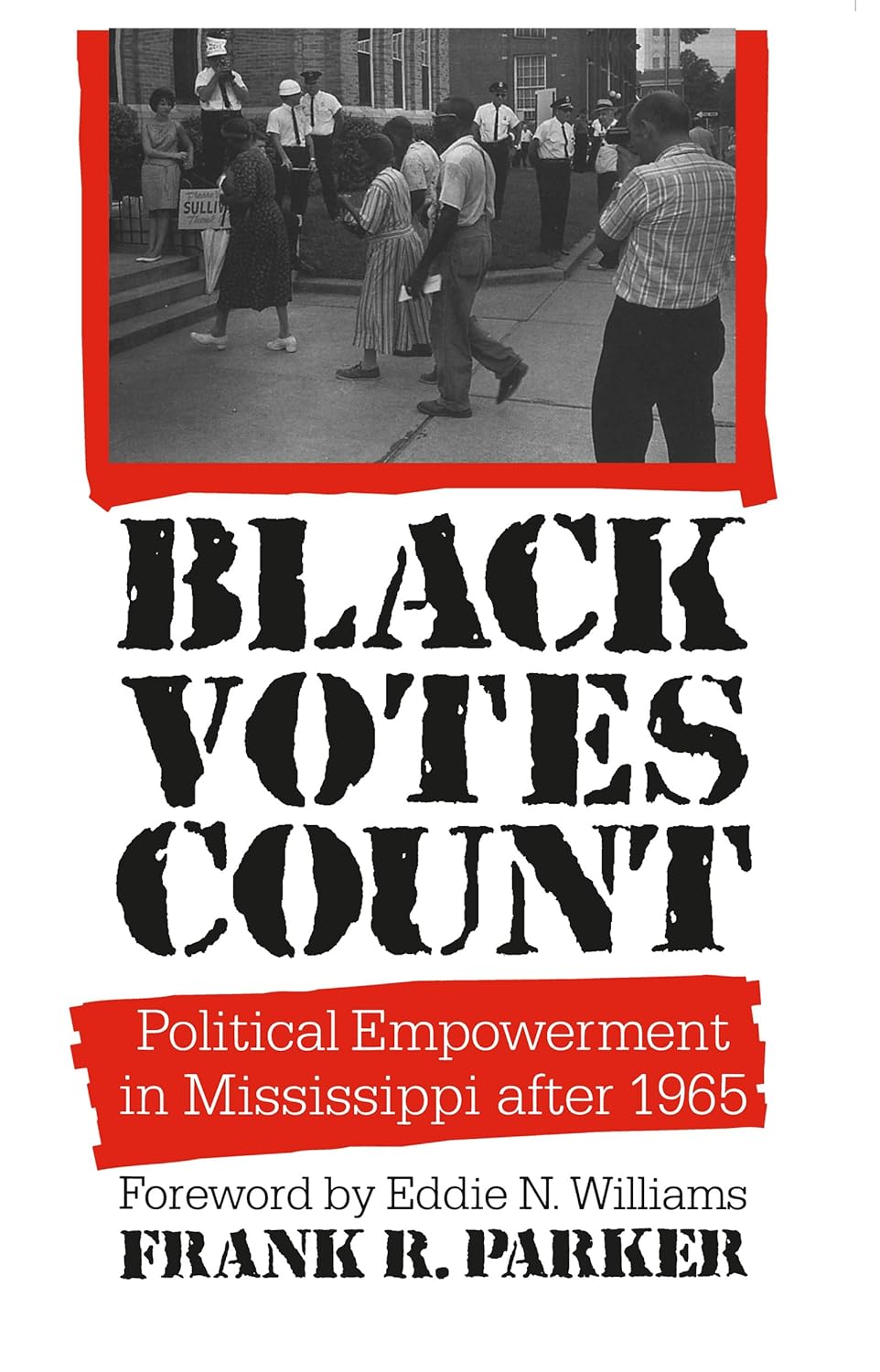
Black Votes Count: Political Empowerment in Mississippi After 1965
By Frank R. Parker
The Analysis: How does grassroots organizing transform into structural political power? Frank R. Parker’s seminal study, Black Votes Count: Political Empowerment in Mississippi After 1965, analyzes the brutal legal battles, redistricting resistance, and strategic maneuvers that followed the Voting Rights Act. This foundational text maps perfectly onto our framework, revealing how the current of formal political power requires constant vigilance and sophisticated legal strategy to overcome systemic suppression.