
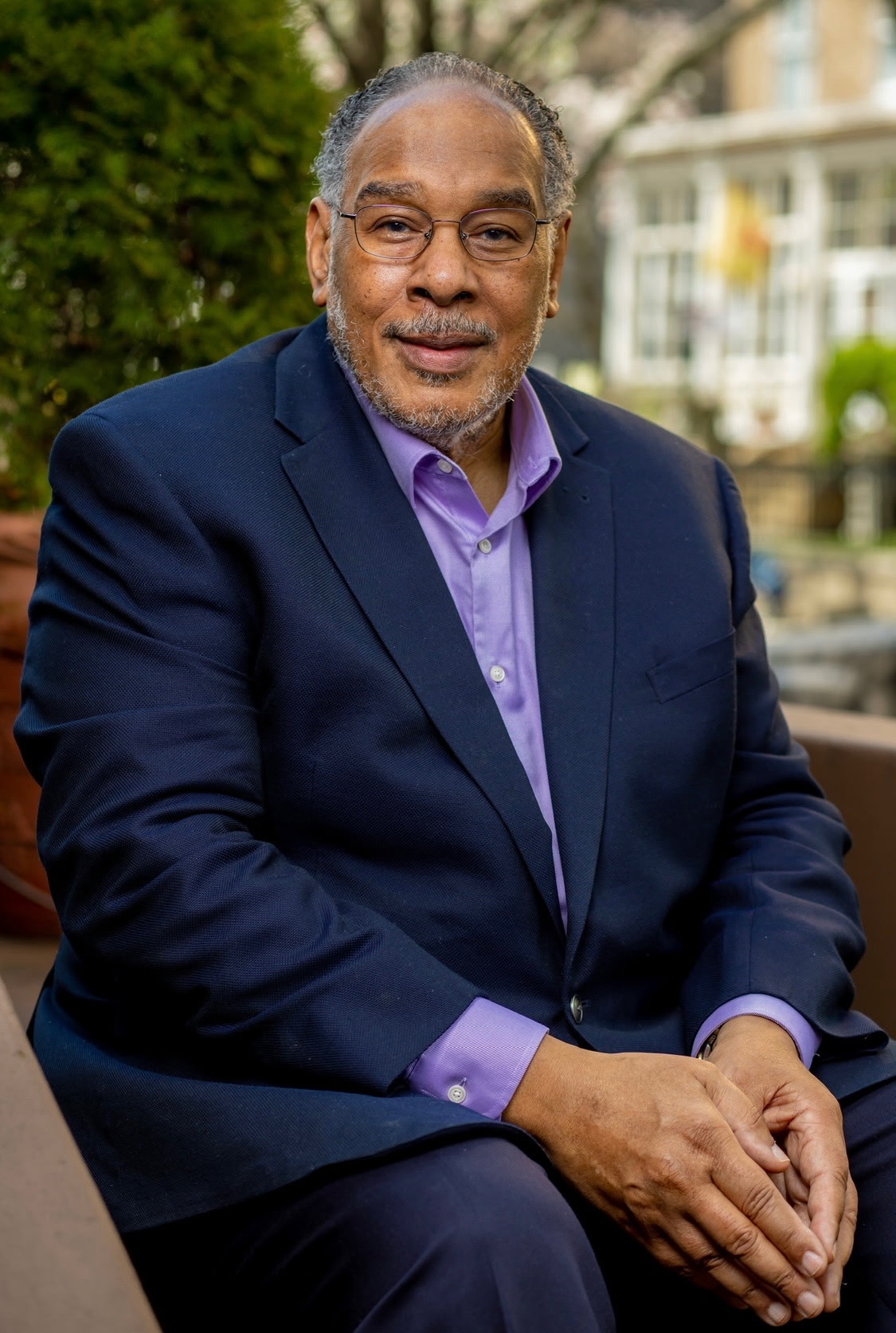
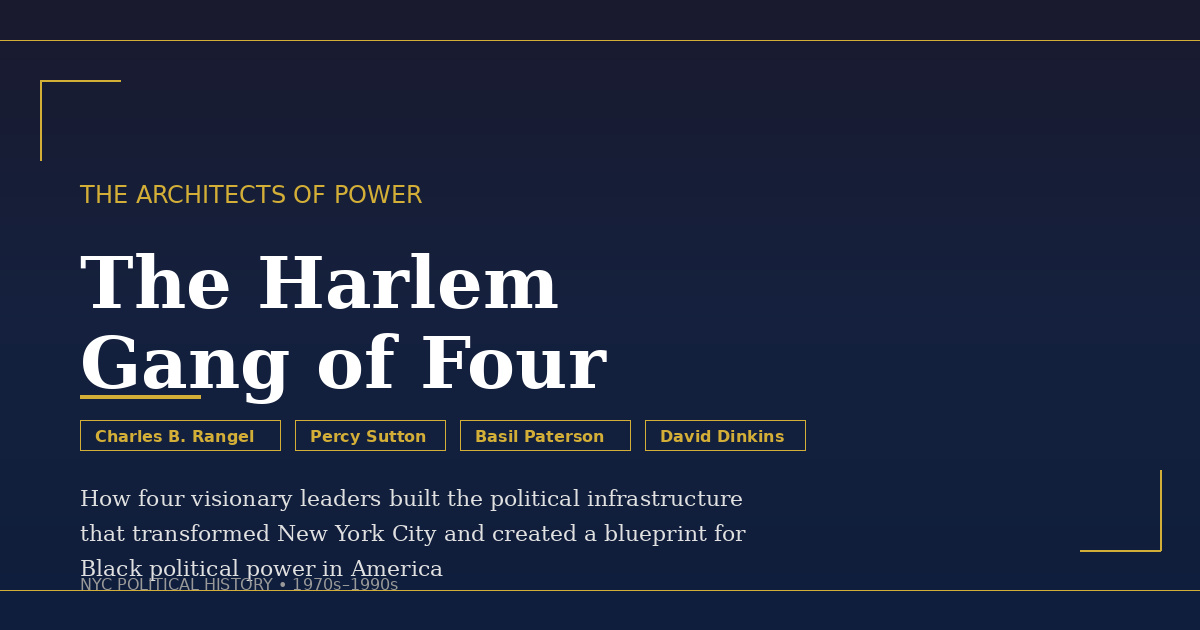



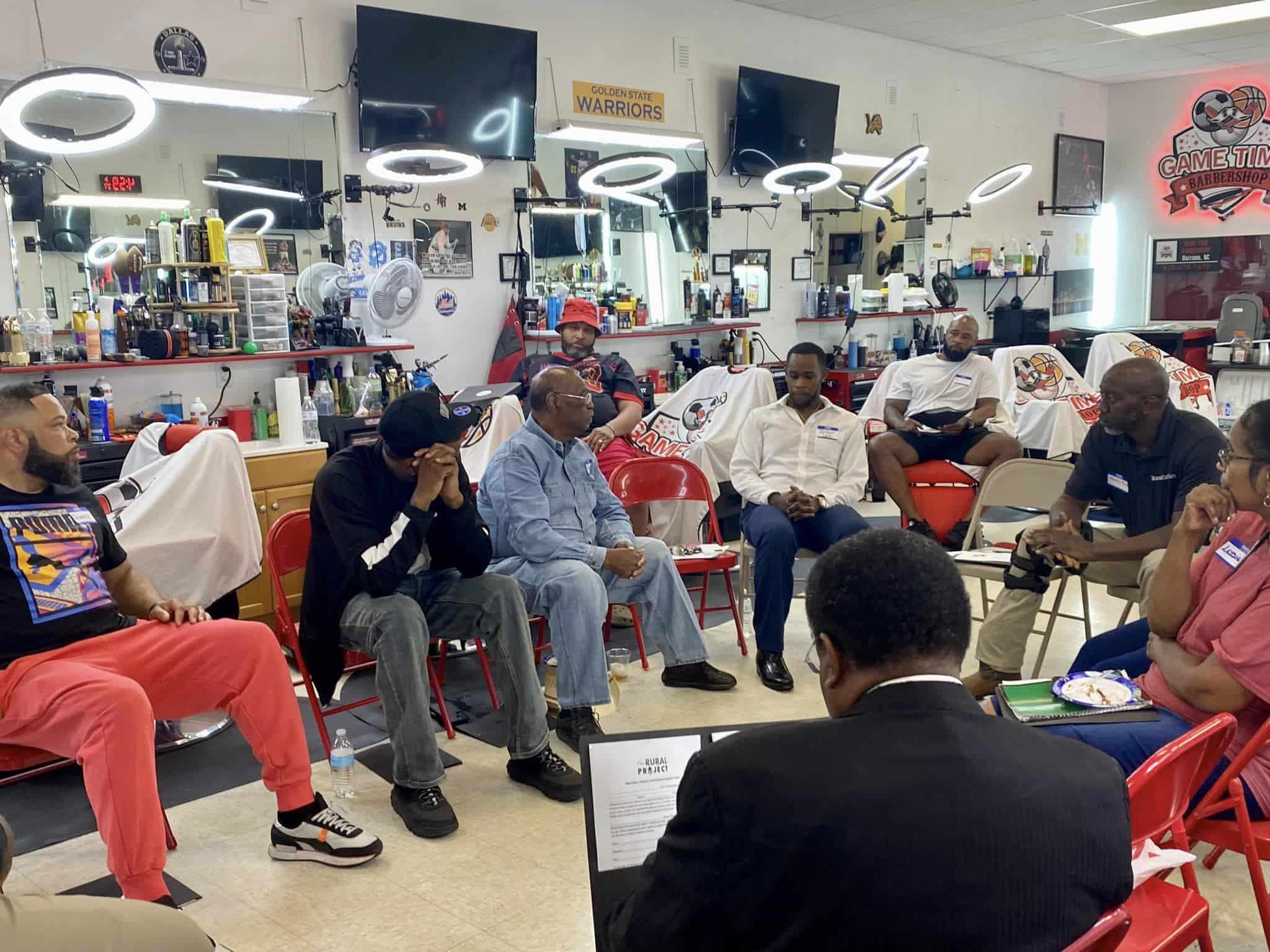
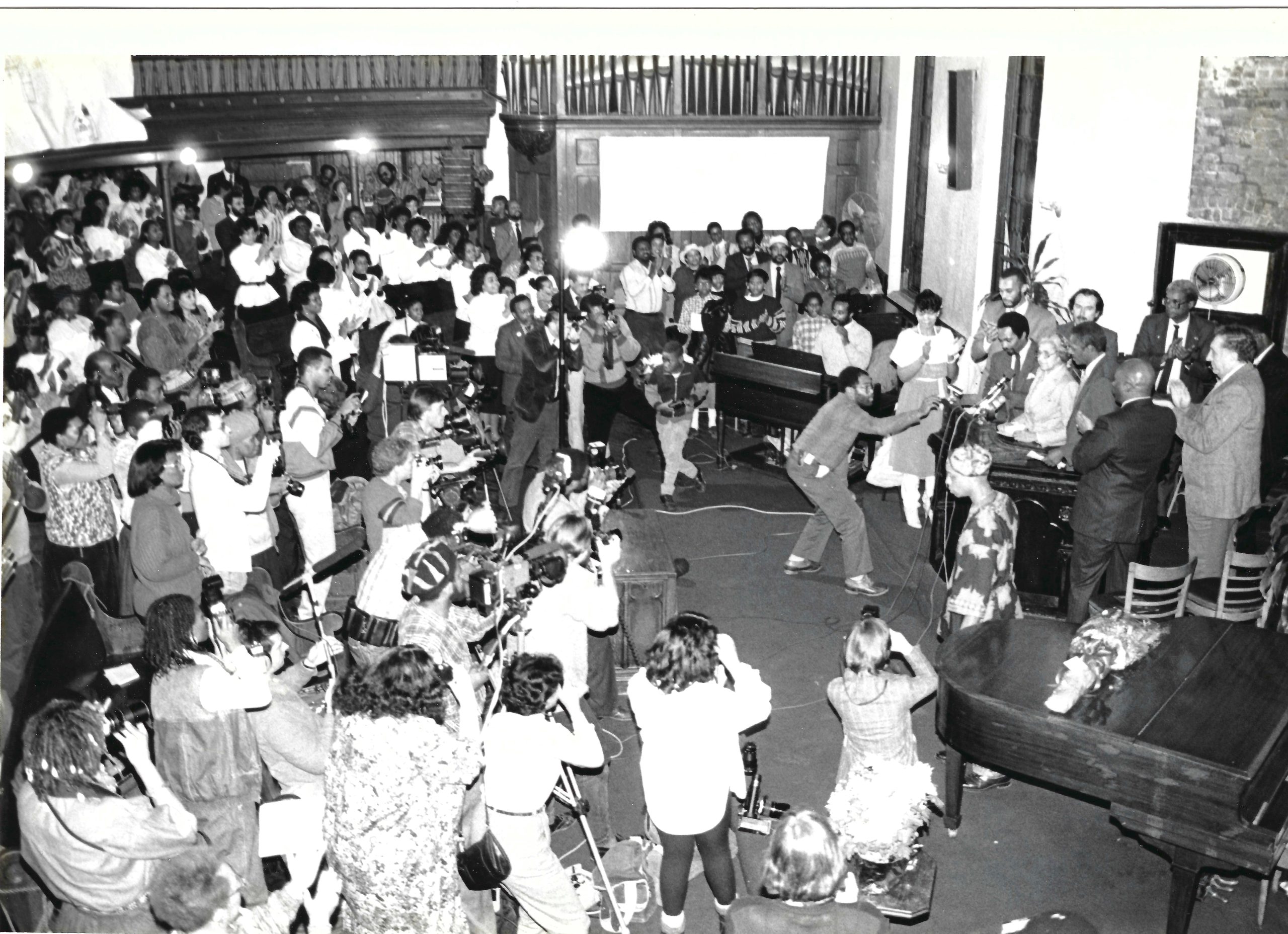

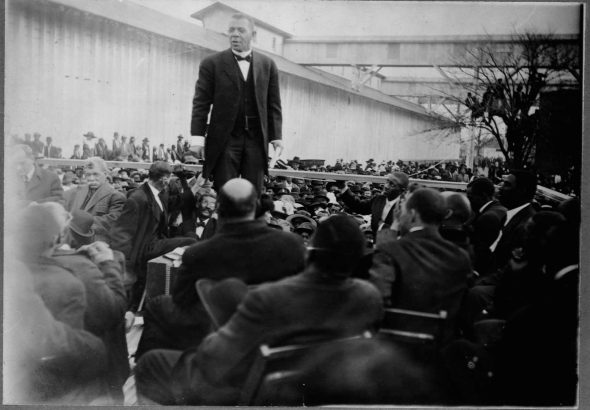
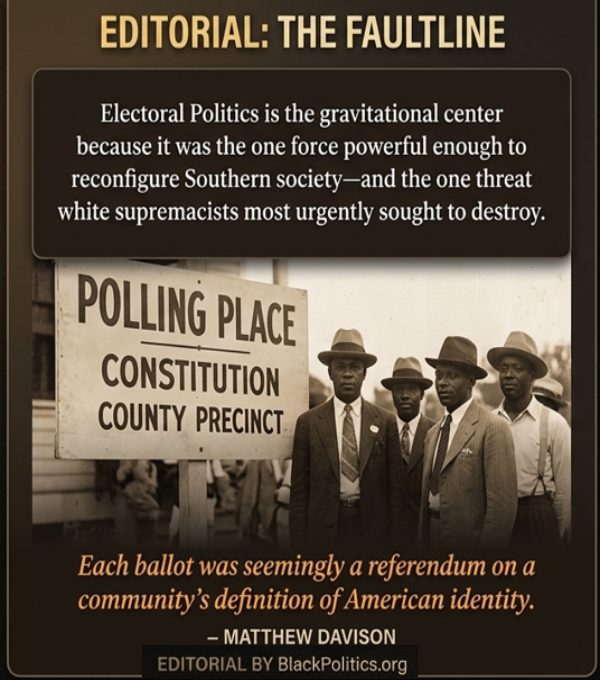

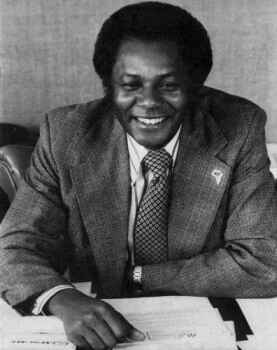
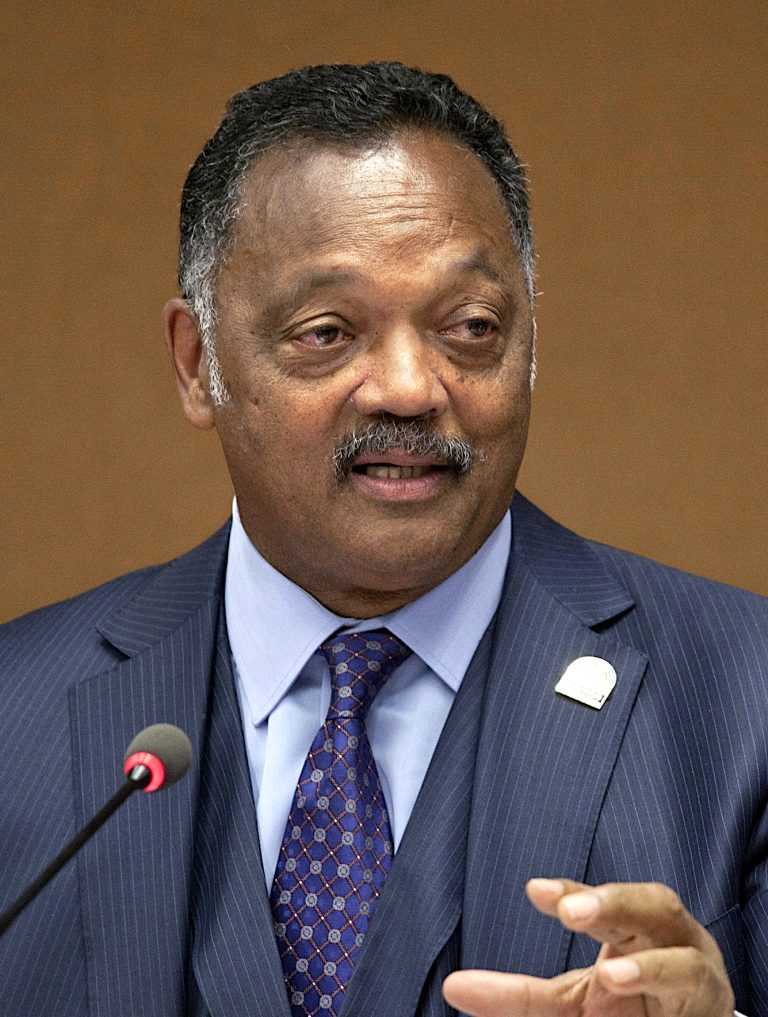





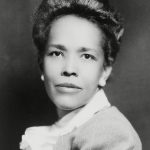
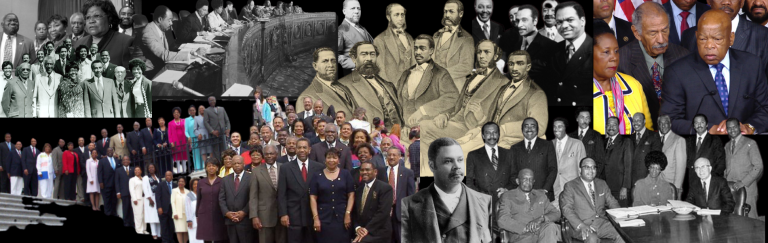
John Flateau: Brooklyn’s Master Political Strategist Introduction: The Invisible Architect of Brooklyn Black Electoral Infrastructure John Flateau...
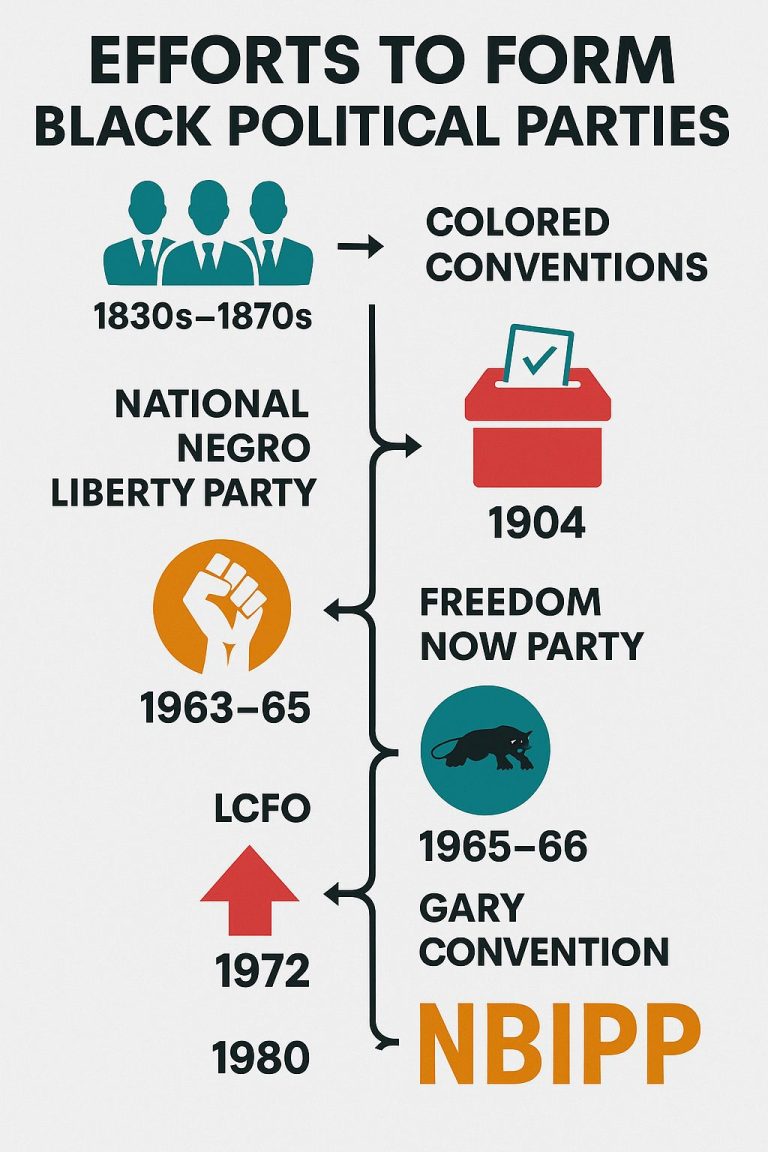
📚 1) Overview: The Long Push for Independent Black Political Power in the US Efforts to build...
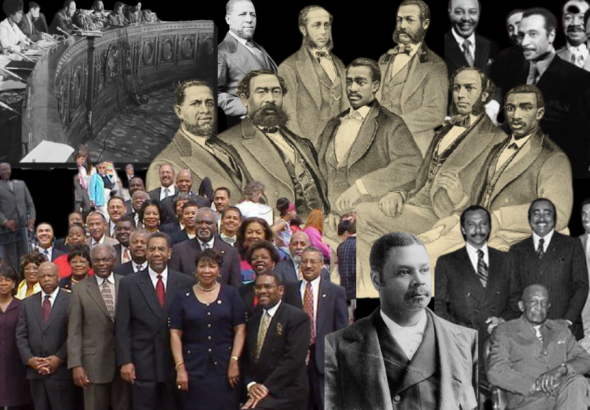
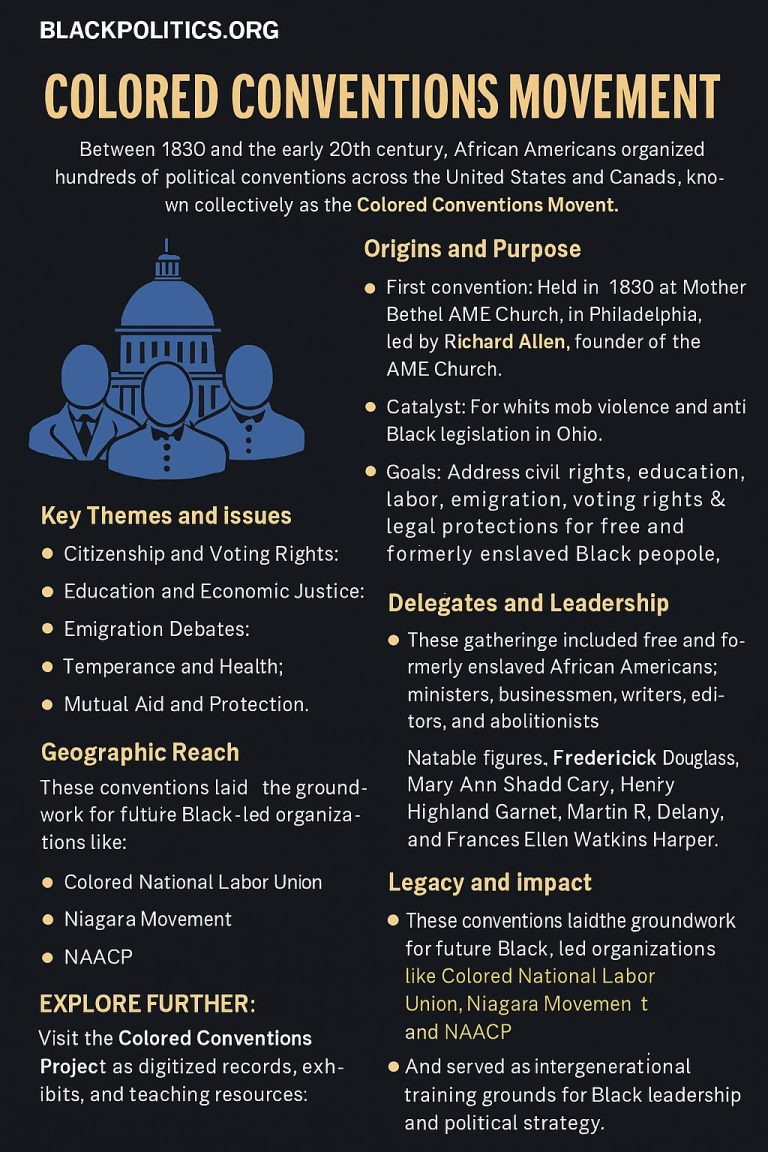
✊🏽 Introduction From the earliest days of American democracy, African Americans convened to demand justice, strategize...
Test your knowledge of African American leadership. Take the African American Leadership Quiz, part 1 On random...
How one man’s killing by NYPD birthed a national Black resistance network On June 14, 1978, Arthur...
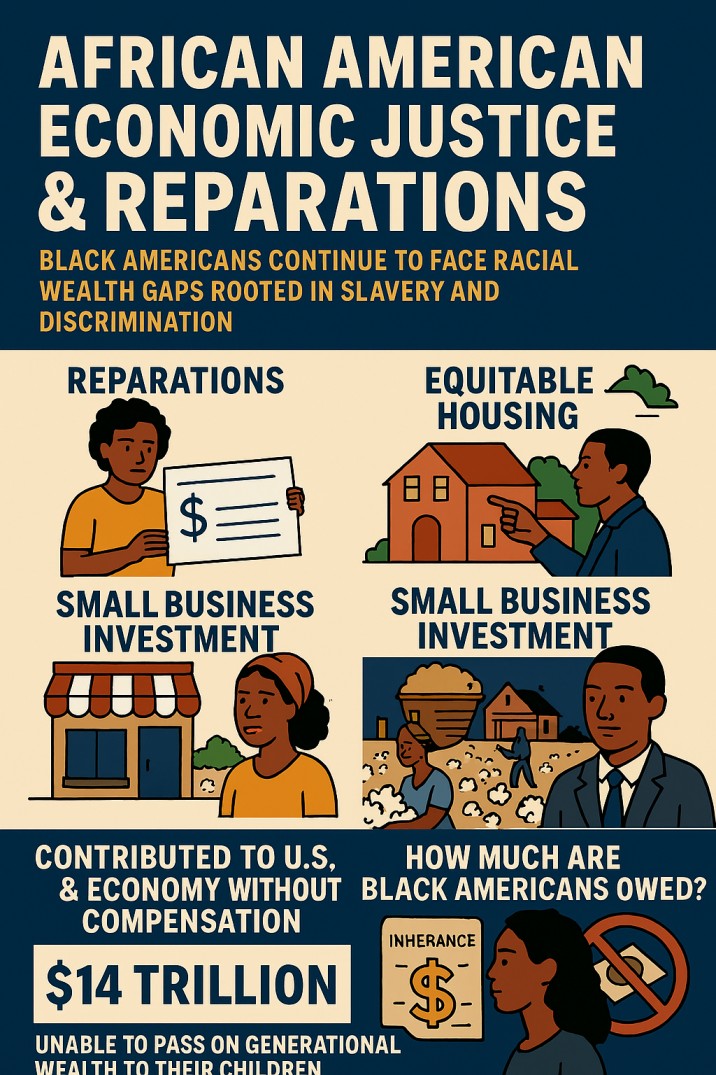
The Case for Reparations: Economic Justice in the 21st Century By BP Editorial — Updated 2025 The...
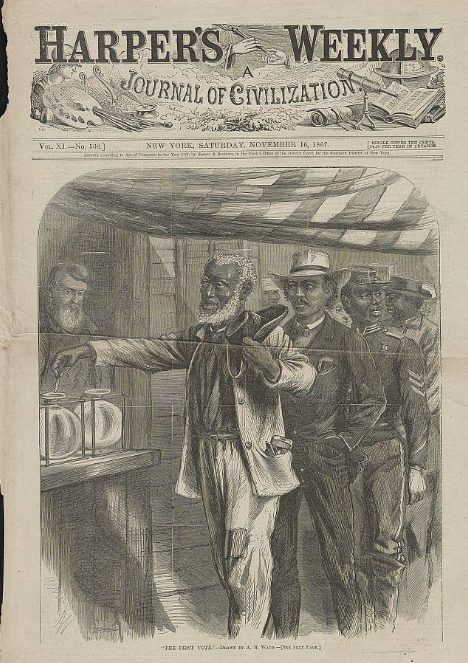
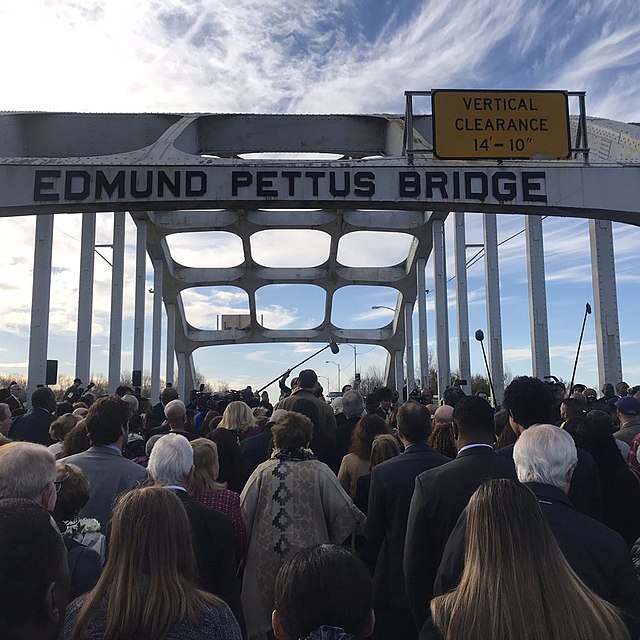
The Voting Rights Movement has shaped the course of democracy in the United States. The fight for...

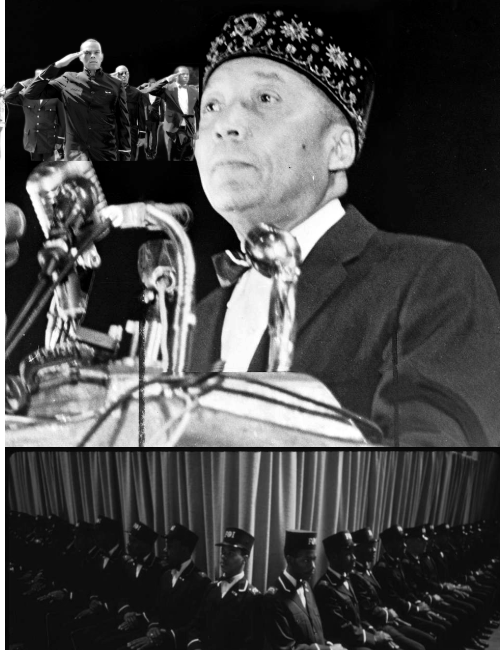
Understanding Malcolm X political philosophy requires examining the Malcolm X three phases of political development: his evolution...
"Malcolm X was a student of history, and that is what made him one of the most...
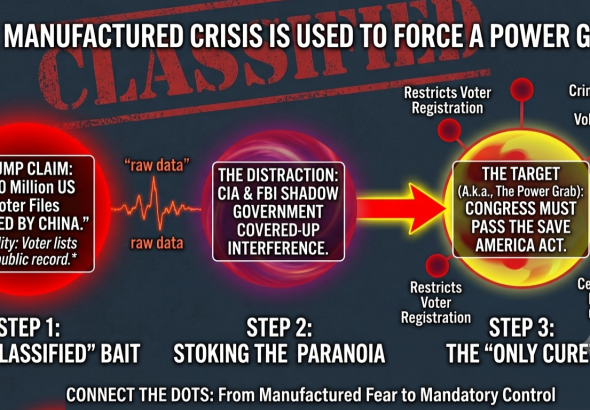
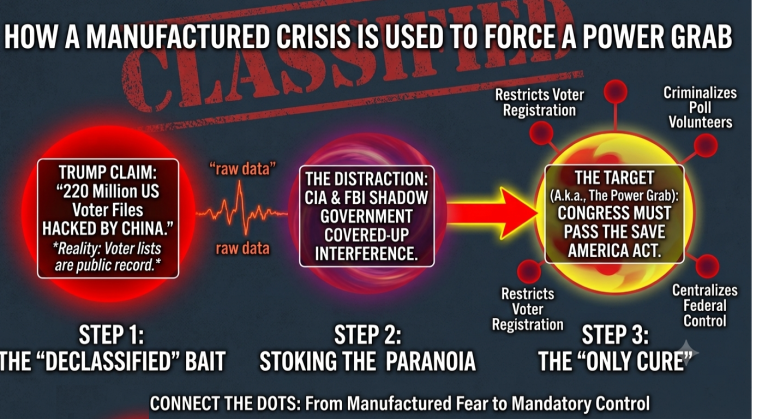
When the national spotlight turns to a controversial bill like the SAVE America Act during a primetime...
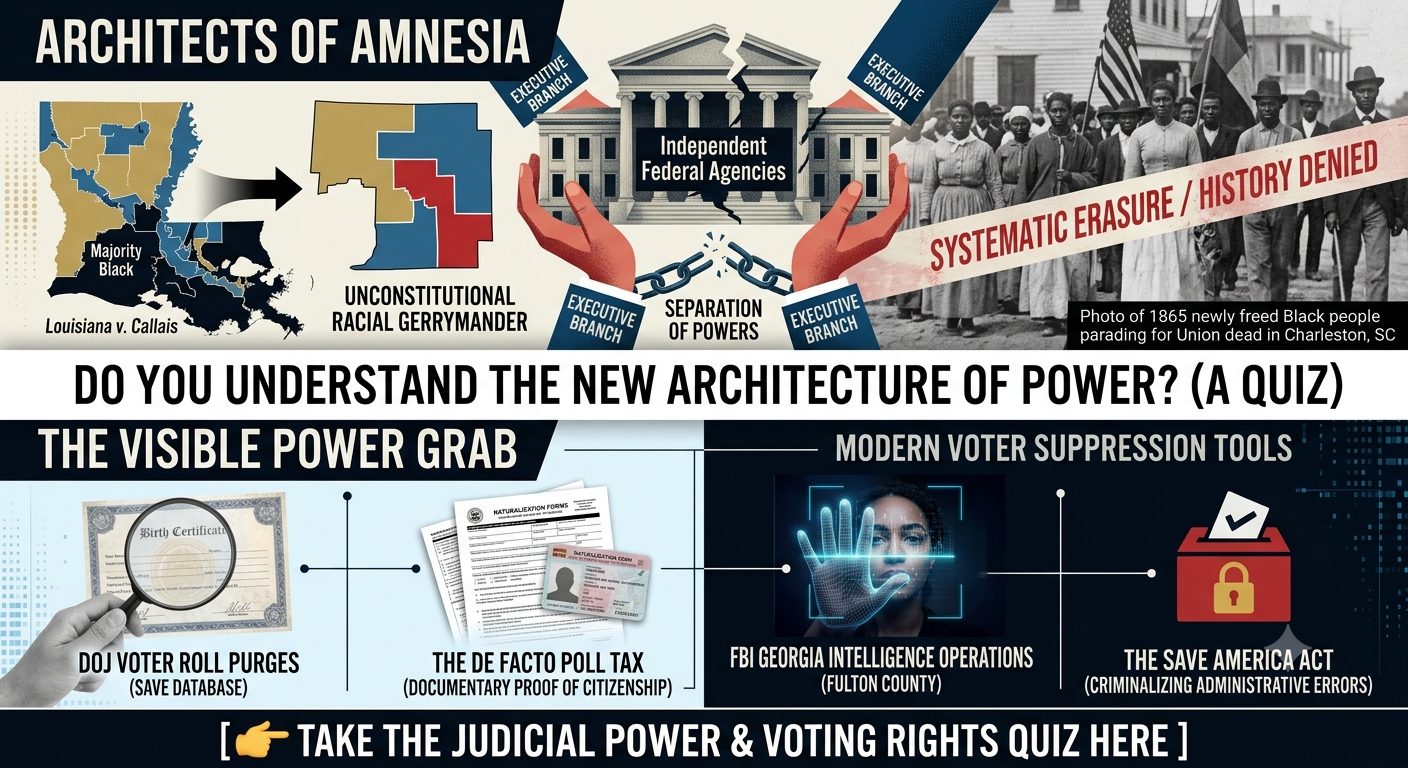
Judicial Overhauls, Executive Power Grabs & Voting Rights Quiz Do You Understand the New Architecture of Power?...
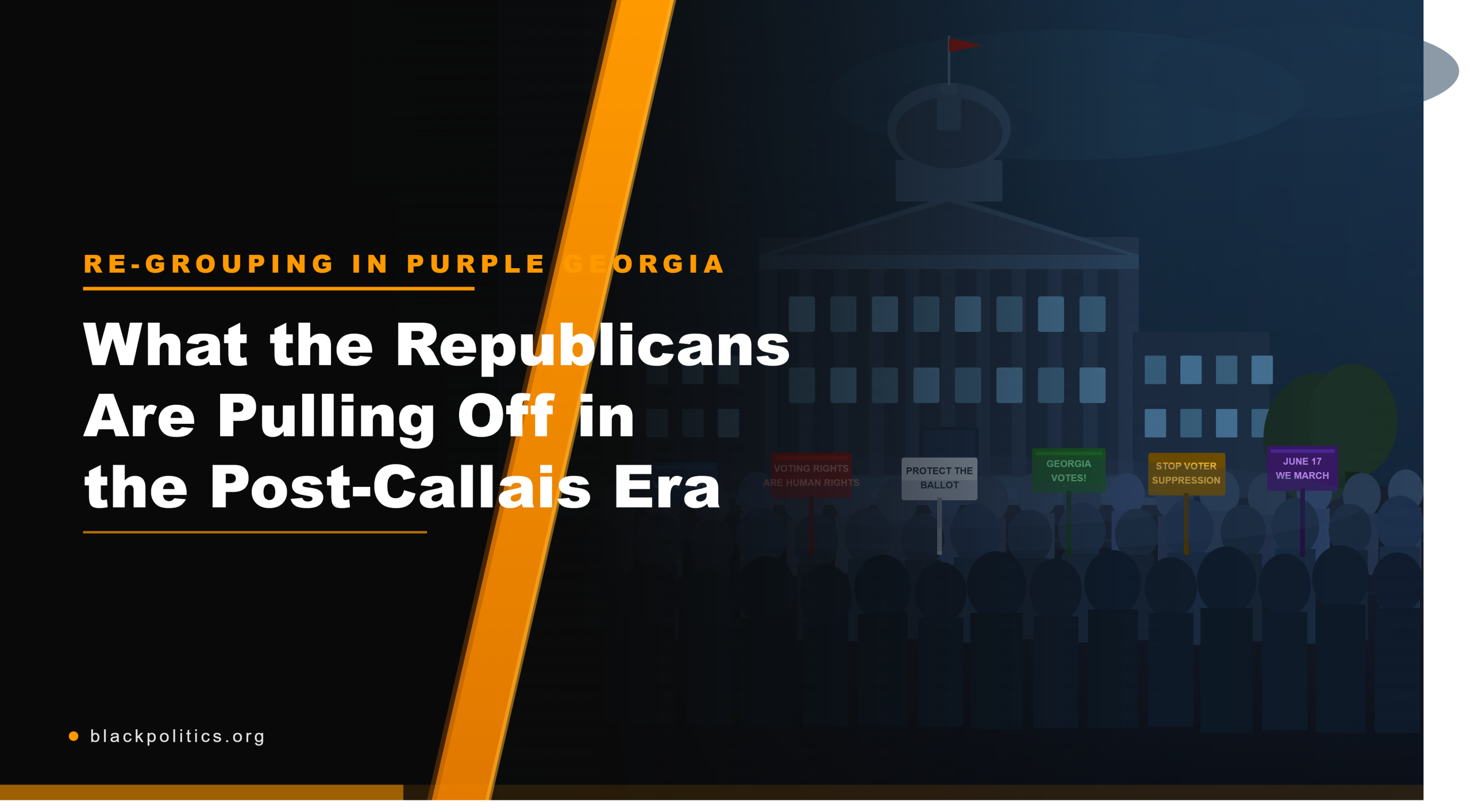
🚨 Editorial Update: The Post-Callais Crisis Shifts to Georgia Voting rights activists won a temporary victory, but...
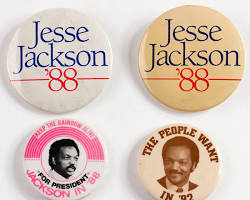
Commentary: Dr. Ellen Spears on Our Jesse Jackson Post explores the enduring civil rights legacy of Rev....
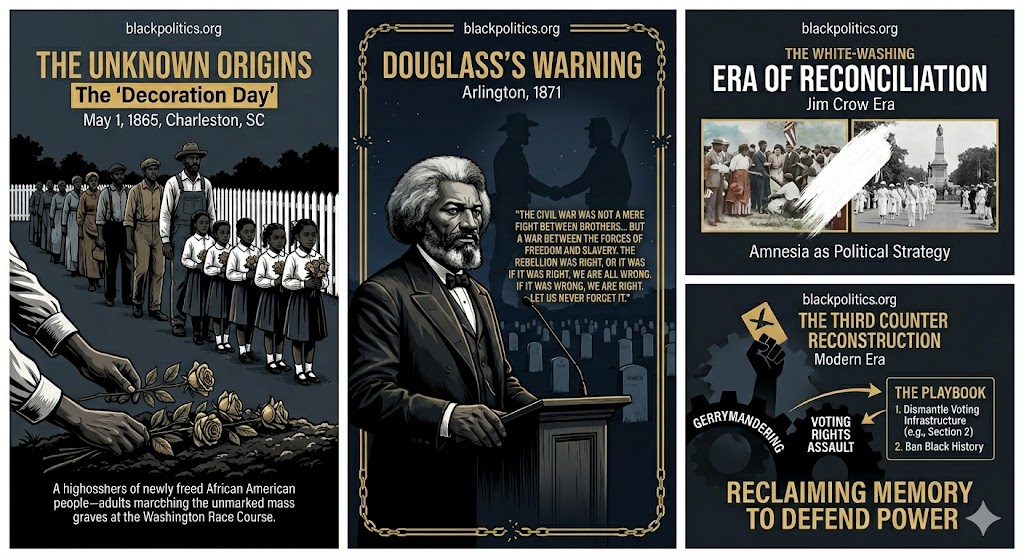
The Erasure of Decoration Day – Black history of Memorial Day As the United States observes Memorial...
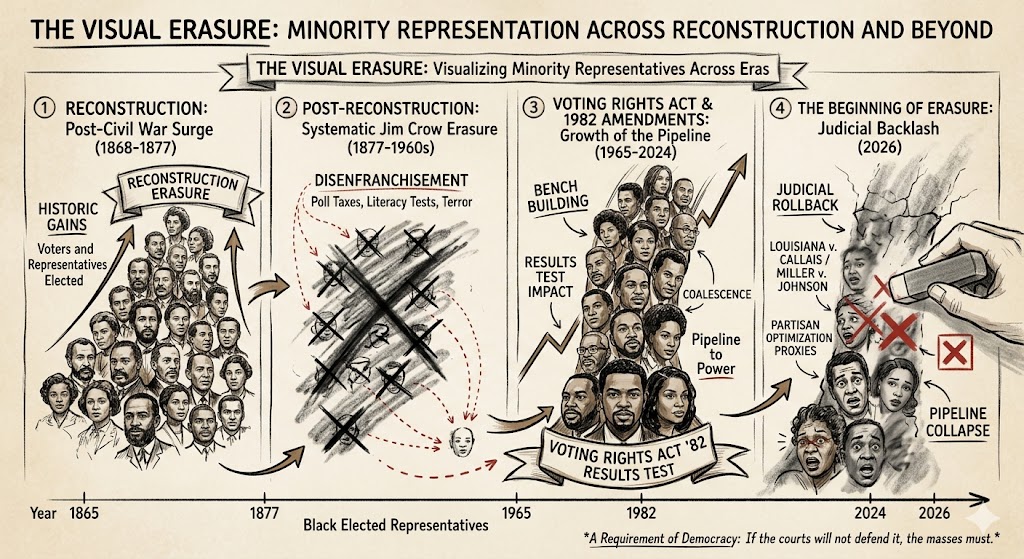
The Dismantling of Black Political Power Since Louisiana v. Callais: Unmasking the Architecture of a Third Counter-Reconstruction...
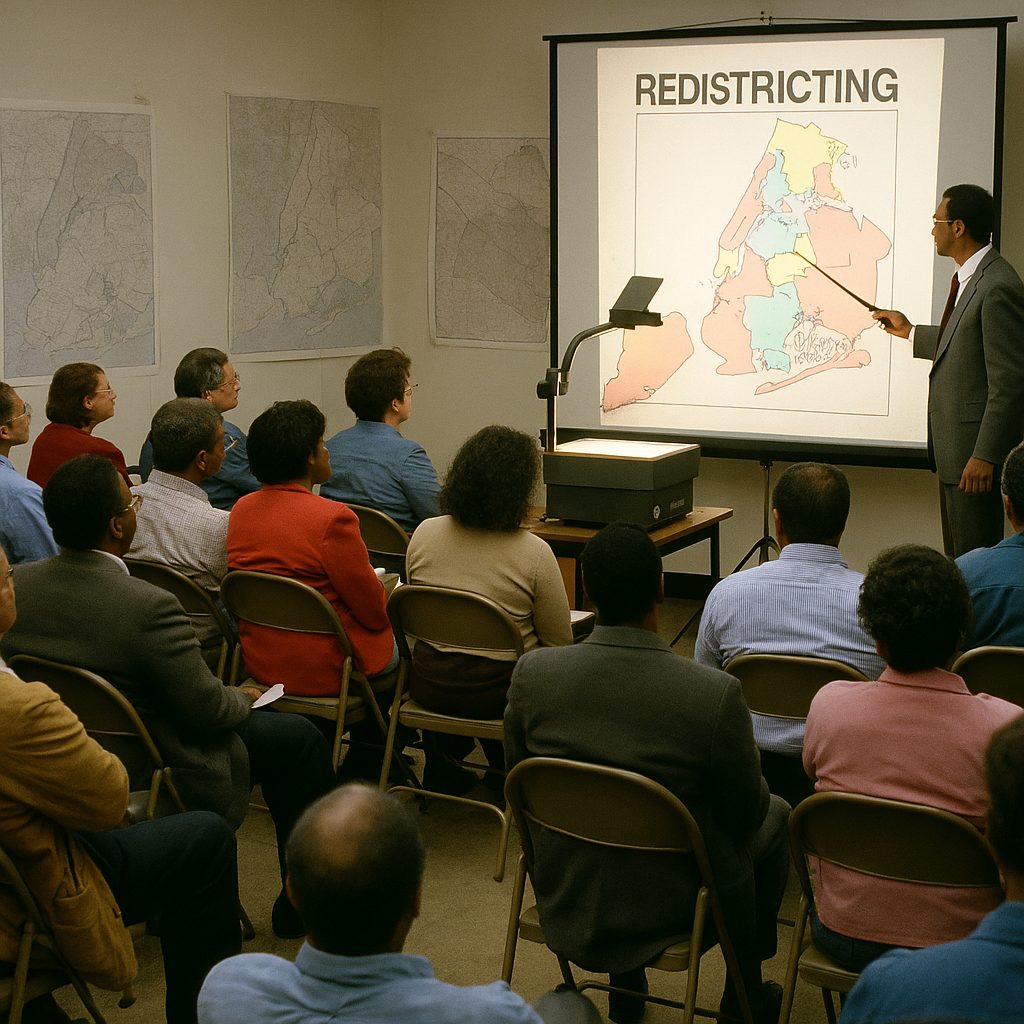
How the Community Service Society and the 1991 Redistricting Quietly Rewired New York City Politics I. Introduction:...
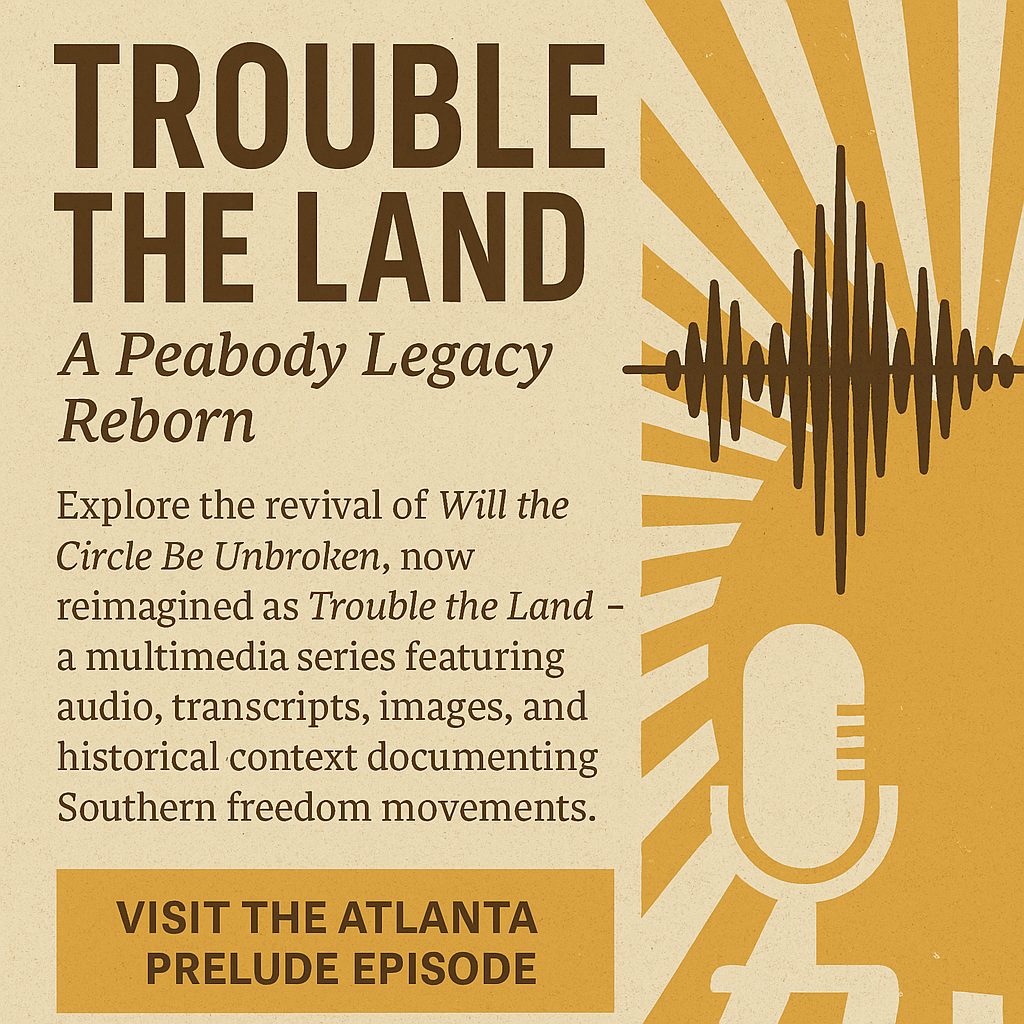
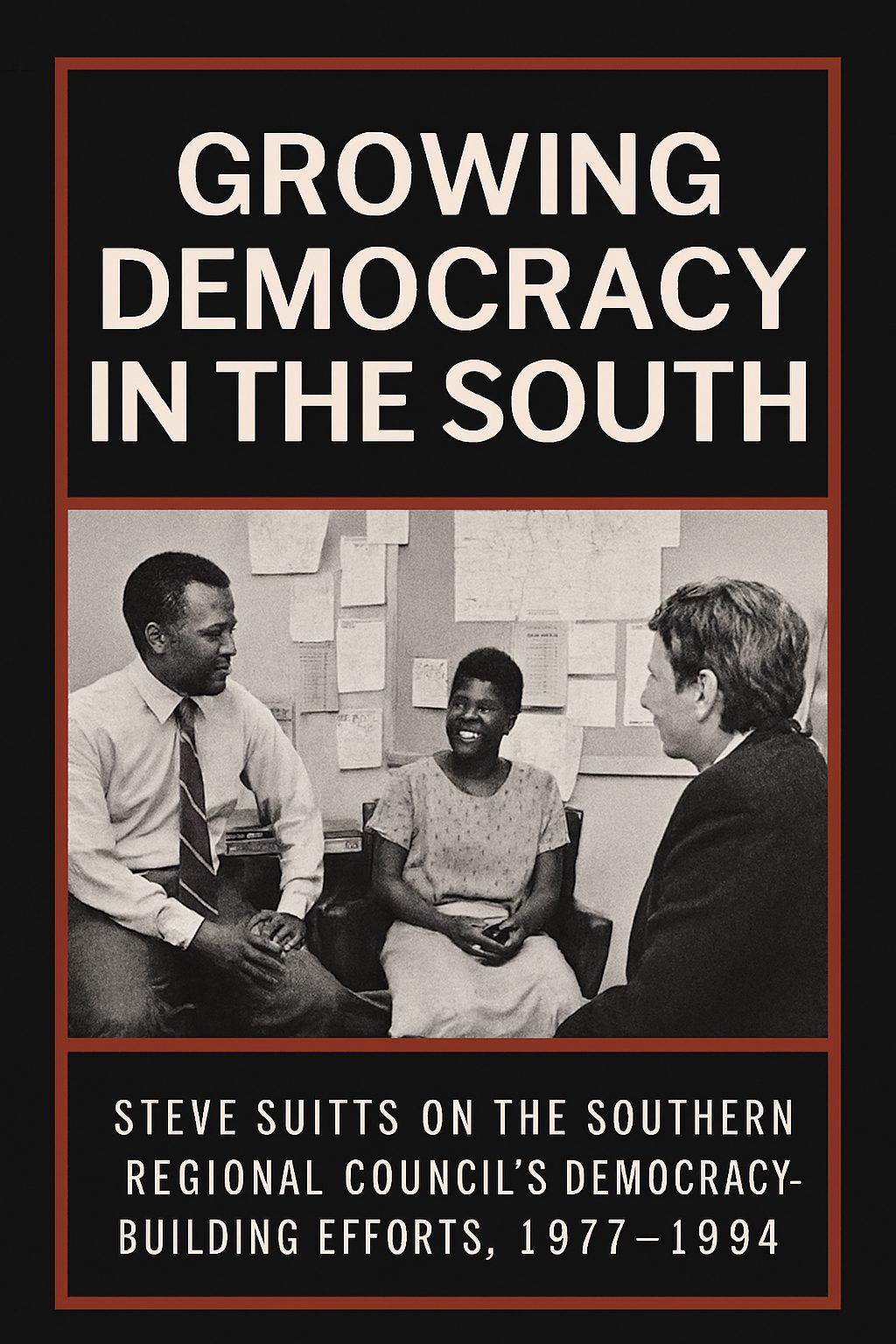
Explore Trouble the Land, the revived Peabody Award–winning series documenting Southern freedom movements, now reimagined as...
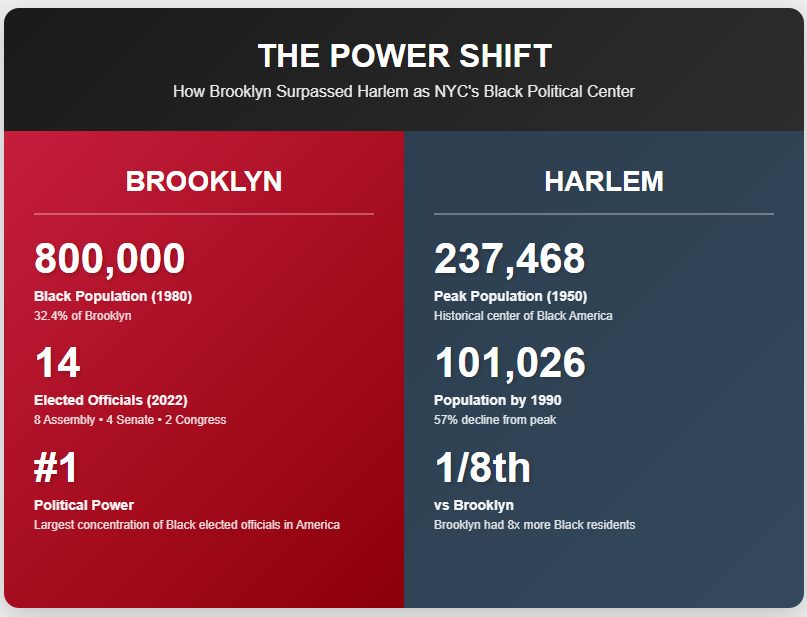
Brooklyn Black Political Power: A Parallel Universe to Harlem’s Gang of Four The Coalition for Community Empowerment,...