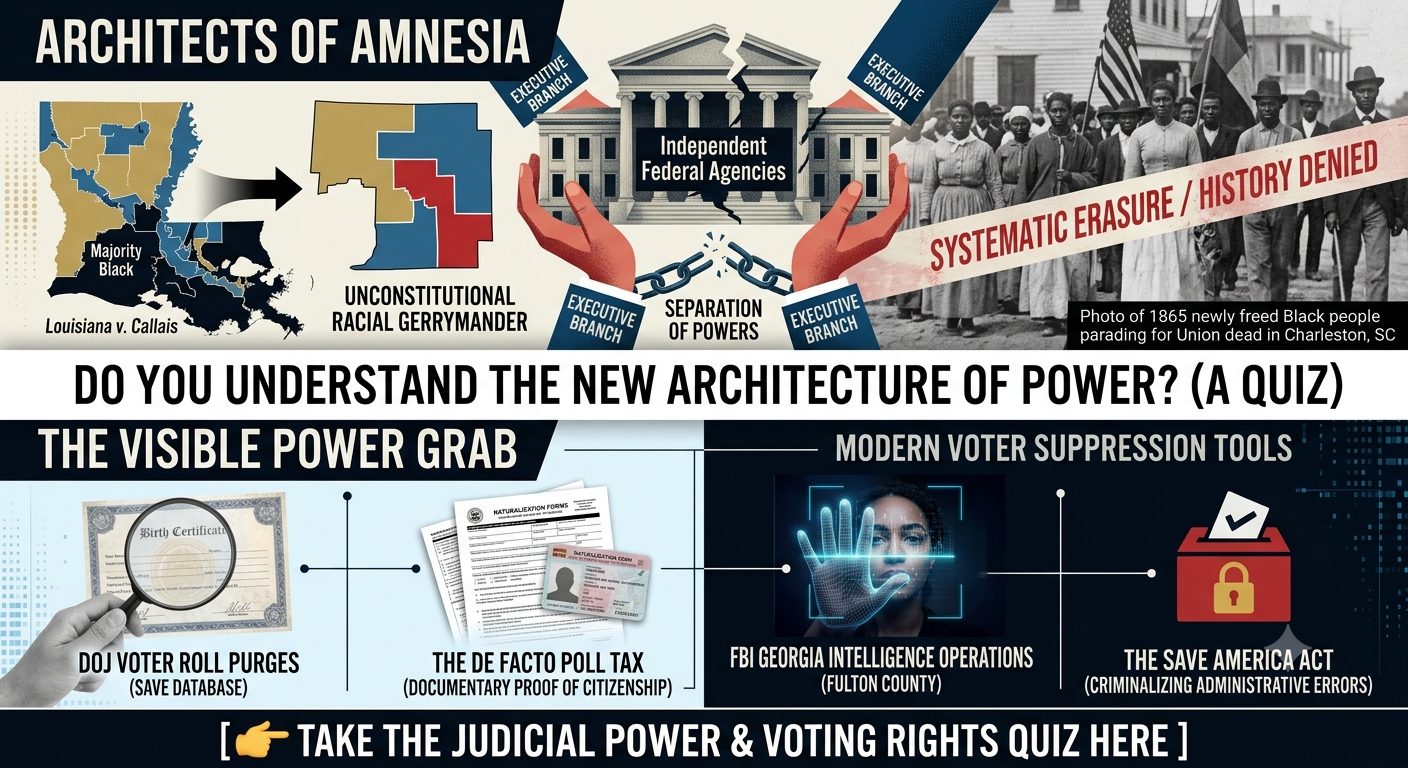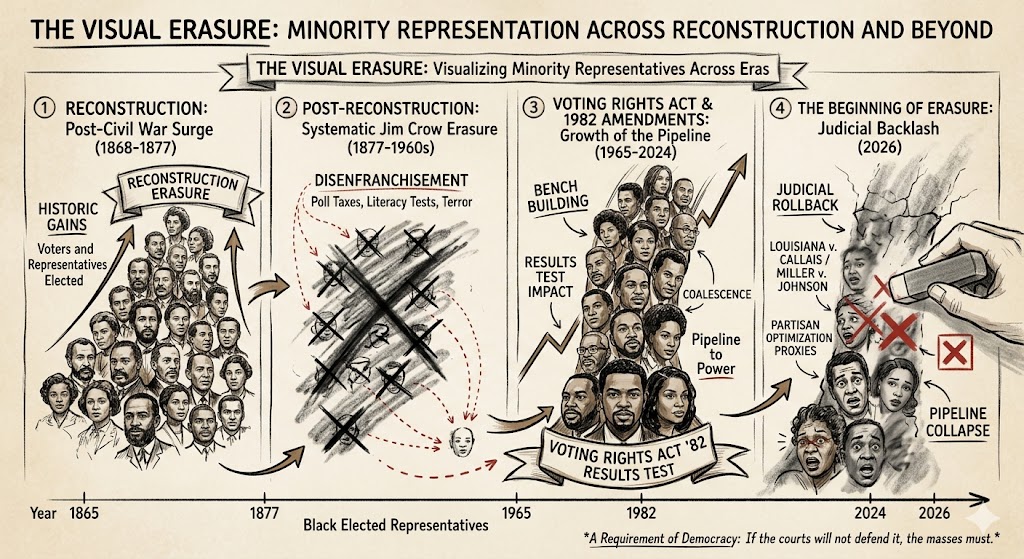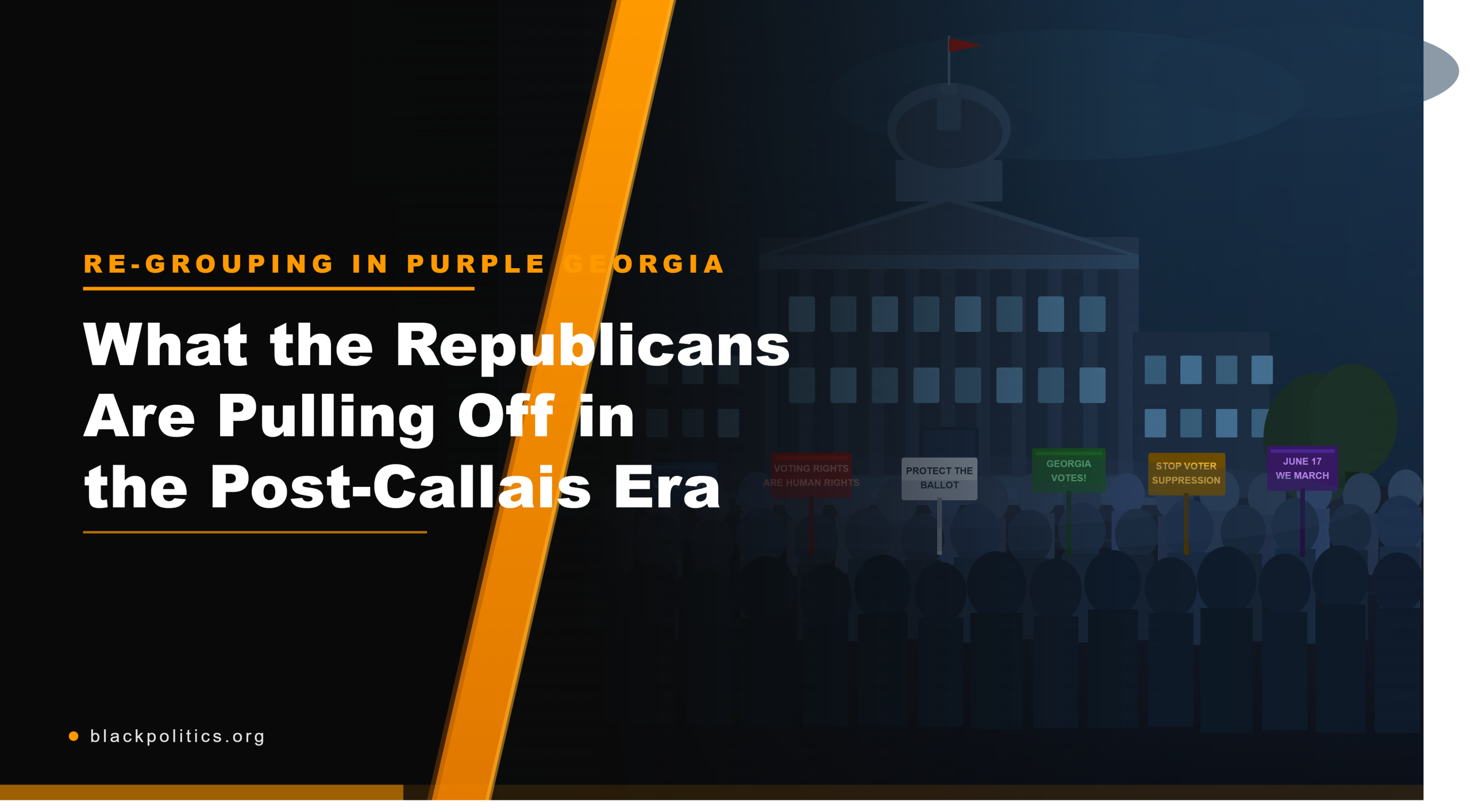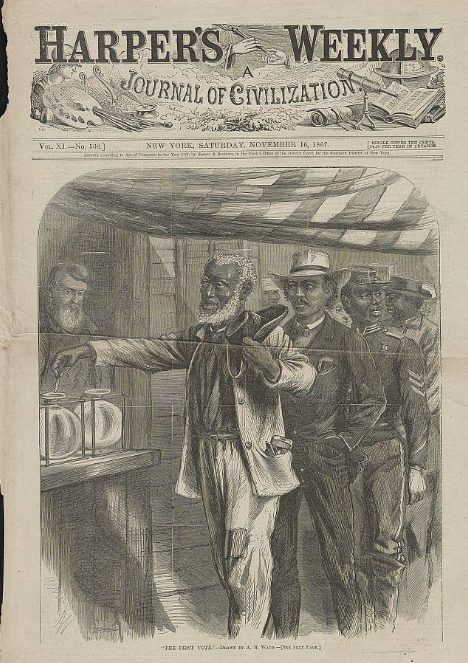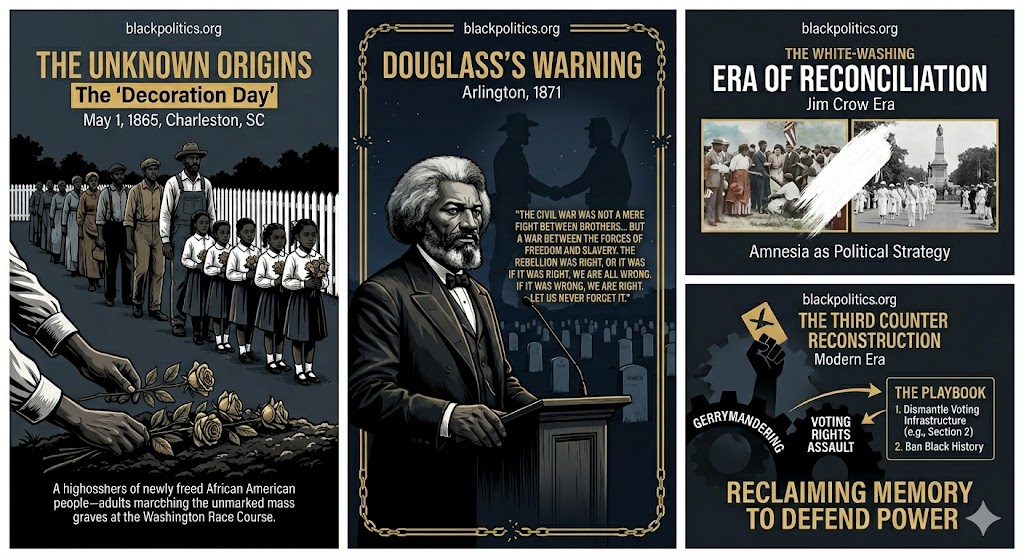
A complete visual arc of the Black history of Memorial Day. Panel 1: The original 1865 Decoration Day celebration in Charleston by newly freed citizens. Panel 2: Frederick Douglass’s 1871 speech warning against rewriting the war’s cause (slavery). Panel 3: How the Jim Crow 'Era of Reconciliation' erased Black agency. Panel 4: Mapping 'The Third Counter Reconstruction' as a modern political playbook using voter suppression and historical censorship to retain power.
The Erasure of Decoration Day – Black history of Memorial Day
As the United States observes Memorial Day 2026, the vast majority of the public remains entirely unaware of the radical Black history of Memorial Day and its true origin as Decoration Day in 1865. The standard narrative and celebration will focus on a generalized, colorblind tribute to military sacrifice. But the true, documented origin of this sacred day—and the deliberate, century-long campaign to erase Black leadership, black voices, and Black people as the literal creators of this history—reveals a profound lesson about the American political landscape.
The sanitization of Memorial Day was not an accident. It was an intentional component of the Second Counter-Reconstruction, driven by a desire for political unity between white Northerners and white Southerners—a unity bought by intentionally stripping away the political rights and erasing the historic achievements of Black Americans. It is a playbook that bears a terrifying resemblance to the judicial and legislative assaults we face today in our current Third Counter-Reconstruction.
The Birth of the Memorial Day Holiday: The Blood Price and the Race Course
To understand why the origin of this day is so sacred, one must understand the immense sacrifice of the men who fought not just for a flag, but for their own literal liberation. By the end of the Civil War, roughly 179,000 Black men served as soldiers in the U.S. Army—comprising a massive 10% of the entire Union force—and another 19,000 served in the Navy. The price they paid for freedom was devastating. Nearly 40,000 Black soldiers died over the course of the war. For captured members of the United States Colored Troops (USCT), the stakes were uniquely horrific; those who weren’t executed on the spot were interned indefinitely in squalid Confederate prison camps, facing mortality rates near 50% [6].
Nowhere was this brutality more visible than in Charleston, South Carolina. In the final year of the war, Confederate forces converted the Washington Race Course and Jockey Club—a sprawling plantation and elite playground for wealthy white slaveholders—into a disease-ridden, open-air prison camp. More than 250 Union soldiers, including captured Black troops, perished there from exposure, starvation, and disease.
When these men died, the Confederates treated them with utter contempt. They threw the bodies hastily into an unmarked, shallow mass grave dug directly behind the racetrack’s grandstands.
The location of this mass grave was not merely a matter of convenience; it was a final, calculated act of white supremacist desecration. The Washington Race Course was an active equestrian complex. The area immediately behind the grandstands and the judges’ viewing platform was where the stables, livestock pens, and animal waste dumps were situated. By throwing the bodies of Union soldiers—including captured Black freedom fighters—into a shallow, open trench right alongside the racetrack’s accumulation of animal waste and manure, the Confederates were treating these liberators as literal agricultural refuse. To the plantation class, those who fought to destroy slavery were lower than livestock, unworthy of a name, a marker, or a clean piece of earth [7].
The freed people refused to let that desecration stand. The moment Charleston fell in February 1865, they organized to reclaim the memory of their defenders. Leaving those men in that waste was an insult to the very concept of Black freedom. Reclaiming them was a refusal to let the Confederacy have the final word on their humanity.
A team of 28 Black workmen went out to the racetrack. For two grueling weeks, they exhumed the bodies from the mass trench, identified what they could, and reinterred 257 Union dead into proper, dignified, individual graves laid out in neat rows. They cleared the overgrown grounds, built a ten-foot-high wooden fence to protect the site, whitewashed it, and constructed an archway over the main gate.
In bold black letters across the arch, the workmen painted an unyielding declaration: “Martyrs of the Race Course.” [1, 2]
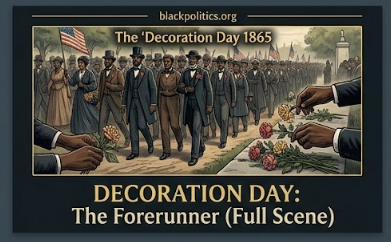
When 10,000 Black residents, accompanied by the legendary 54th Massachusetts and other USCT regiments, marched onto those grounds on May 1, 1865, they were performing a revolutionary act. Leading the procession were 3,000 Black schoolchildren—newly enrolled in freedmen’s schools—their arms overflowing with fresh roses, their voices thundering with the lyrics of ‘John Brown’s Body.’
This massive display of Black organizational power and civic defiance was not an isolated incident; it was the direct foundation for the political revolution that followed. Just three years later, in 1868, utilizing the very same networks of grassroots mobilization born on these fields, South Carolina voters would make history by electing the first majority-Black state legislature in the United States. Reclaiming the racetrack dead wasn’t just an act of mourning; it was the opening salvo of a decade of unprecedented Black governing power, a milestone formally catalyzed during the revolutionary 1868 South Carolina Constitutional Convention. They took the bodies of those who had been discarded like refuse and elevated them as the holy martyrs of a new, multiracial republic.
They did not just weep; they transformed a symbol of aristocratic white supremacy into a monument to Black liberation. They wanted the country to remember that these men had shed their blood to shatter the chains of human bondage. This is where Memorial Day began.
Further Reading on Civic Memory:
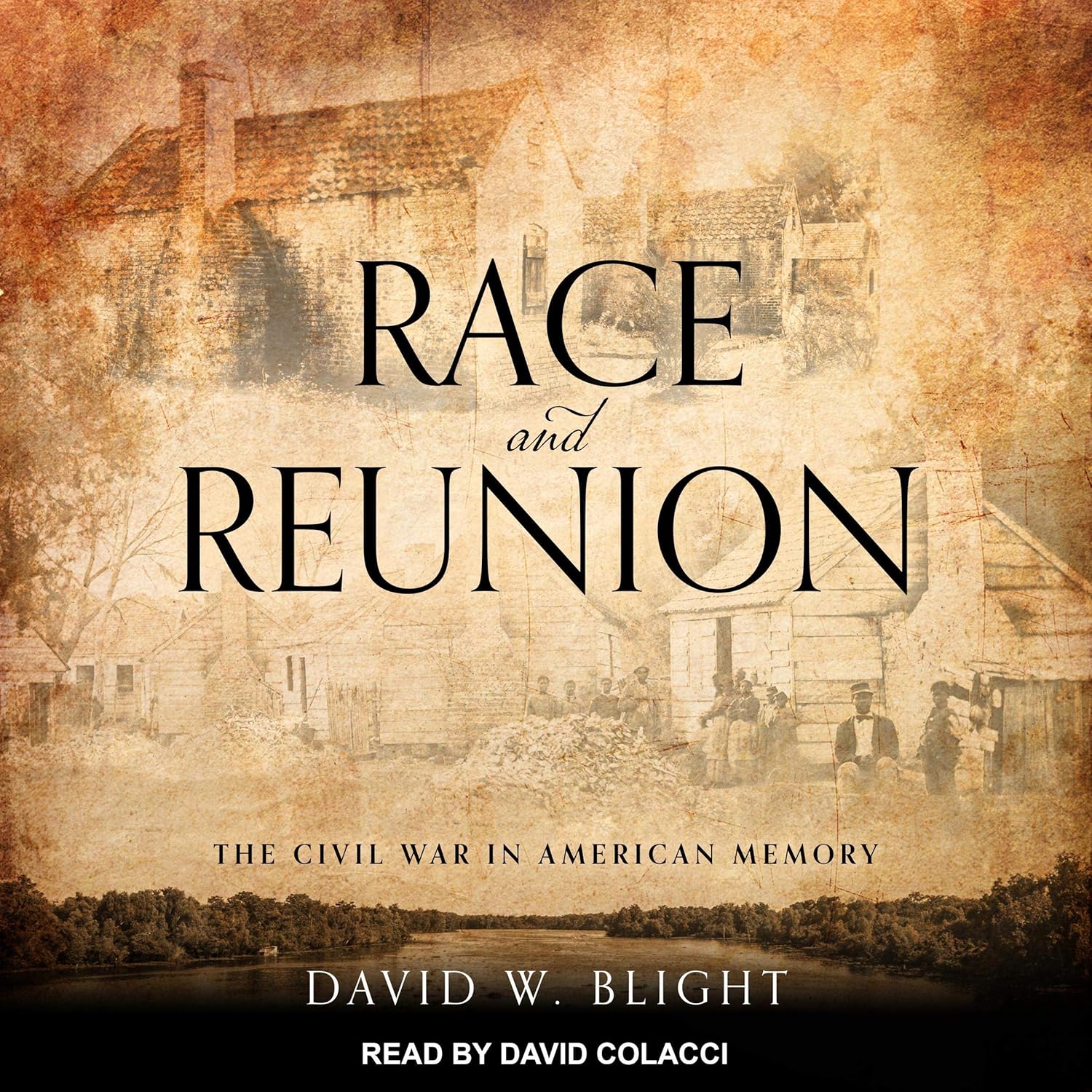
To understand how the true origin of Decoration Day was uncovered and how the “Lost Cause” myth systematically erased Black veterans, read David W. Blight’s Pulitzer Prize-winning definitive history.
Frederick Douglass and the Battle Against Amnesia
As the 1870s progressed, white political elites in both the North and the South grew eager to heal the sectional rift to spur economic growth. The price of this national reconciliation was the abandonment of Radical Reconstruction and the outright betrayal of the newly enfranchised Black electorate.
To achieve this unity, politicians and press outlets began reframing the Civil War. They scrubbed it of its moral weight, presenting it instead as a tragic conflict where “noble brothers” fought valiantly on both sides for abstract principles of regional honor and states’ rights.
Frederick Douglass saw this revisionism happening in real-time and fiercely fought it. In his legendary Decoration Day speech at Arlington National Cemetery on May 30, 1871, Douglass stood before a crowd of thousands—including President Ulysses S. Grant—and refused to allow the nation to sanitize its own history [3].
Frederick Douglass – The Confederate South fought Against America to Keep Black People in Slavery
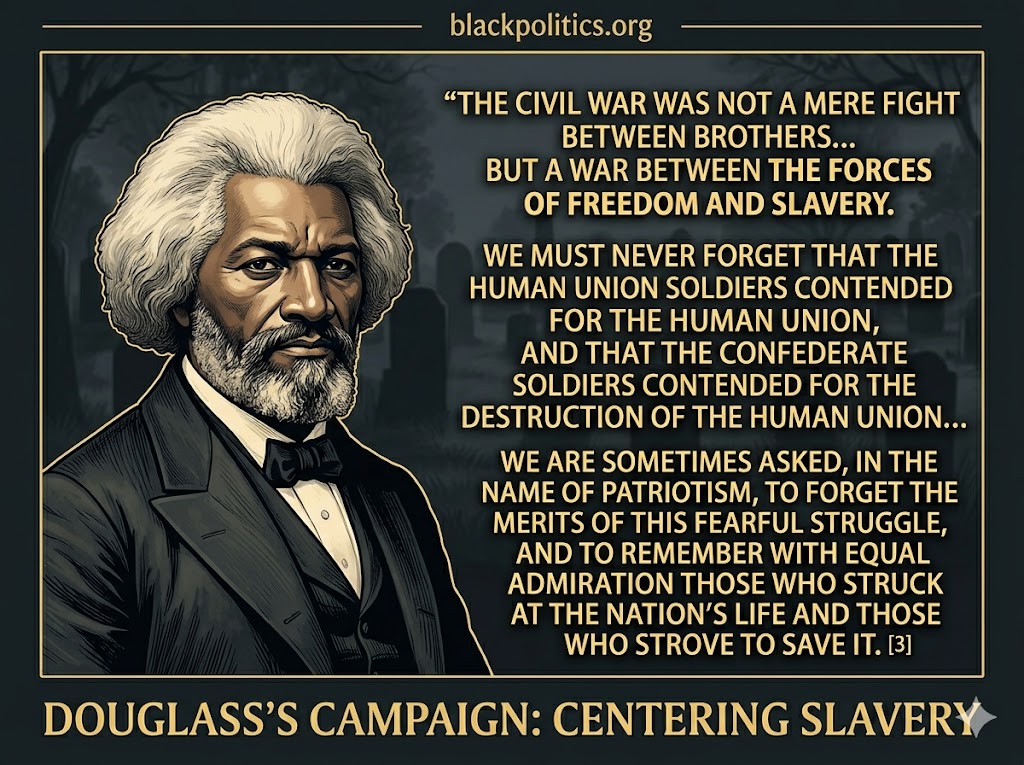
Douglass spoke with razor-sharp precision, explicitly naming slavery as the root cause of the bloodshed:
“The Civil War was not a mere fight between brothers… but a war between the forces of freedom and slavery. We must never forget that the human Union soldiers contended for the human Union, and that the Confederate soldiers contended for the destruction of the human Union… We are sometimes asked, in the name of patriotism, to forget the merits of this fearful struggle, and to remember with equal admiration those who struck at the nation’s life and those who strove to save it.” [3]
Douglass completely rejected the pressure to succumb to a polite, comforting amnesia. He drew a hard, permanent line in the sand regarding the moral asymmetry of the war:
“I may say here, if this war was right, the rebellion was right; if the Union was right, the rebellion was wrong… The rebellion was right, or it was wrong. If it was right, we are all wrong. If it was wrong, we are right. Let us never forget it. No power can ever make right wrong, or wrong right.” [3]
This is the exact ideological battleground of the Third Counter-Reconstruction. Douglass understood that the push for “equal admiration” for both sides wasn’t about healing; it was a deliberate political strategy to sanitize treason and prepare the public to accept the stripping away of Black rights.
We see the exact same strategy playing out in our current political landscape. When modern reactionary movements led by figures like Donald Trump demand the restoration of Confederate names to American military bases, they are echoing the 1870s demand for “equal admiration” of traitors. When state legislatures aggressively ban the teaching of systemic racism under the guise of fighting “woke” indoctrination, they are enforcing the exact “comforting amnesia” Douglass fought against. Even the unprecedented political targeting and threats to fire Black generals and high-ranking military officers today mirror the post-Reconstruction effort to purge Black leadership from institutional power.
Douglass understood that this wasn’t just a debate about the past. He knew that if the cause of the war (slavery) was forgotten, the consequences of the war—namely the 13th, 14th, and 15th Amendments, Black citizenship, and voting rights—would be dismantled next [4].
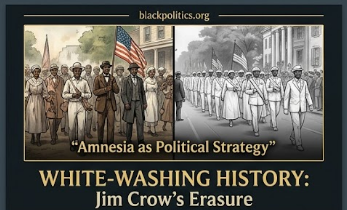
The Jim Crow White-Washing and the Counter-Reconstructions
Douglass’s warnings proved prophetic. During the Jim Crow era, Northern and Southern white elites successfully codified the “Lost Cause” narrative.
Decoration Day was officially nationalized and renamed Memorial Day. In the process, the very people who built the holiday—the Black laborers who lovingly exhumed the bodies in Charleston and the Black soldiers who shed blood to win the war—were completely pushed out of the public ceremonies and cut out of the history books. Monuments to the Confederacy sprouted across the South, while the federal government stood by as Black southerners were systematically disenfranchised through poll taxes, literacy tests, and grandfather clauses. As the political rights of Black citizens were ruthlessly buried in the dirt, the unrepentant white slaveholding elite were resurrected to absolute power, reclaiming total control over the very institutions they had just spent four years trying to violently overthrow.
This was the Second Counter-Reconstruction: using historical amnesia to justify the destruction of political rights [4].
Analyzing the Counter-Reconstructions:
Traces the exact cyclical patterns of white backlash, legal disenfranchisement, and structural resistance from the 1870s directly to the modern voting rights crisis.
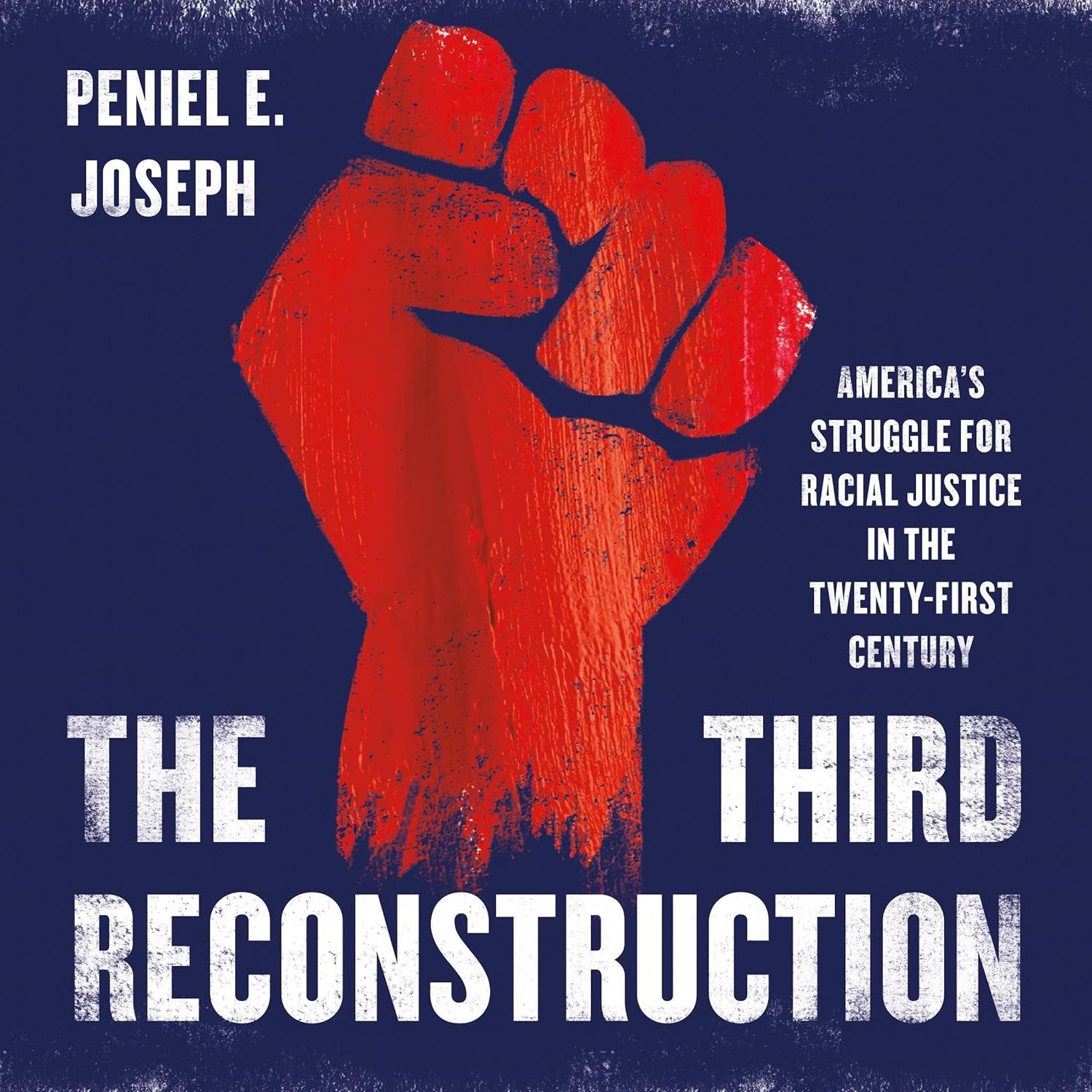
The parallels to our present moment are unmistakable. Today, in what can only be described as the Third Counter-Reconstruction, we see the exact same dual strategy deployed by reactionary forces:
- The Legislative Assault: The stripping away of voting infrastructure, the gutting of Section 2 of the Voting Rights Act (as seen in Louisiana v. Callais), and the systematic dilution of minority voting strength.
- The Historical Assault: The aggressive state-level bans on teaching authentic Black history, the targeting of diversity initiatives, and the criminalization of structural racial analysis in classrooms [5].
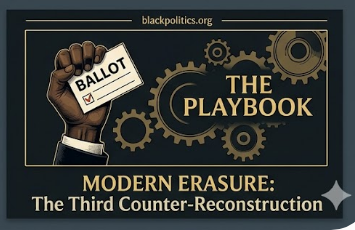
Just as in the 1880s, the modern Counter-Reconstruction knows that to successfully strip a people of their political power, you must first strip them of their historical memory.
This Memorial Day, as we honor those who fell, let us resolve to honor the truth of why they fell. We must actively resist the politics of amnesia, reclaim the radical Black roots of Decoration Day as the true Black History of Memorial Day, and, in the words of Rev. Jesse Jackson, “pick up the keys” to defend the multiracial democracy that our ancestors fought, bled, and organized to build.
Authority References & Historiographical Footnotes
[1] The New York Tribune (May 1865 Reports): Detailed firsthand journalistic correspondence documenting the May 1, 1865 procession in Charleston, capturing the numbers (10,000 marchers), the 3,000 schoolchildren, the presence of the 54th Massachusetts, and the layout of the cemetery arch.
[2] The Charleston Courier (May 1865 Editions): Local contemporary press records verifying the gathering of freedmen at the Washington Race Course and the physical construction of the fence by the 28 Black laborers.
[3] Frederick Douglass, “Decoration Day Speech at Arlington” (May 30, 1871): Preserved in the National Archives and the Library of Congress (Frederick Douglass Papers). The definitive text where Douglass explicitly challenges the post-war “white reconciliation” and outlines slavery as the sole moral cause of the Civil War.
[4] Blight, David W. Race and Reunion: The Civil War in American Memory. Harvard University Press, 2001. This is the Pulitzer Prize-winning text that permanently recovered the Charleston 1865 origin story from historical obscurity. Dr. Blight traces exactly how the “Lost Cause” myth systematically erased Black agency from Memorial Day rituals to facilitate Jim Crow disenfranchisement.
[5] Joseph, Peniel E. The Third Reconstruction: America’s Struggle for Racial Justice in the Twenty-First Century. Basic Books, 2022. Provides the vital contemporary framework analyzing the cyclical nature of Black political advancement followed by swift judicial and legislative counter-reconstructions.
[6] United States Department of Defense / National Archives Records on the United States Colored Troops (USCT): Official military rosters confirming that 178,895 Black men served in the Union Army (under 175 regiments), with an additional 19,000 serving in the Navy, suffering a casualty rate of nearly 40,000 dead due to combat, systemic mistreatment in Confederate prisons, and camp disease.
[7] On the Desecration of the Race Course Site: The spatial layout of the Washington Race Course and the conditions of the Union dead are documented in the official correspondence of the U.S. Quartermaster Department (1865) regarding the reinterment of Union soldiers in the South. Southern jockey clubs constructed their stables, livestock pens, and manure repositories directly behind the grandstands and pavilions. Primary coverage in the New York Tribune (May 1865) and subsequent reconstructions by Dr. David W. Blight confirm that the shallow mass trench was dug precisely in this rear waste area.
About The Author