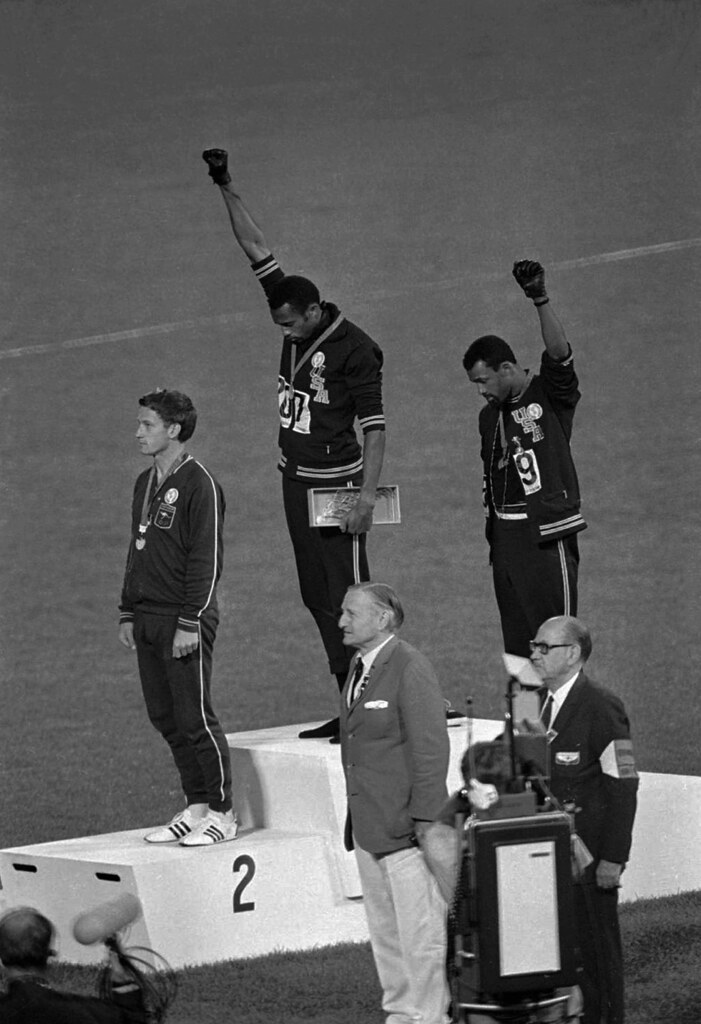
Black athletes give Black Power Salute at Mexico City Olympics 1968
Black Athletes Stand with Black Community in Protest
Several of today’s Black athletes have echoes the bravery of Muhammad Ali, Tommie Smith, and John Carlos and taken principled positions in support of Black community struggles against racism, police killings, and other forms of racial subjugation.
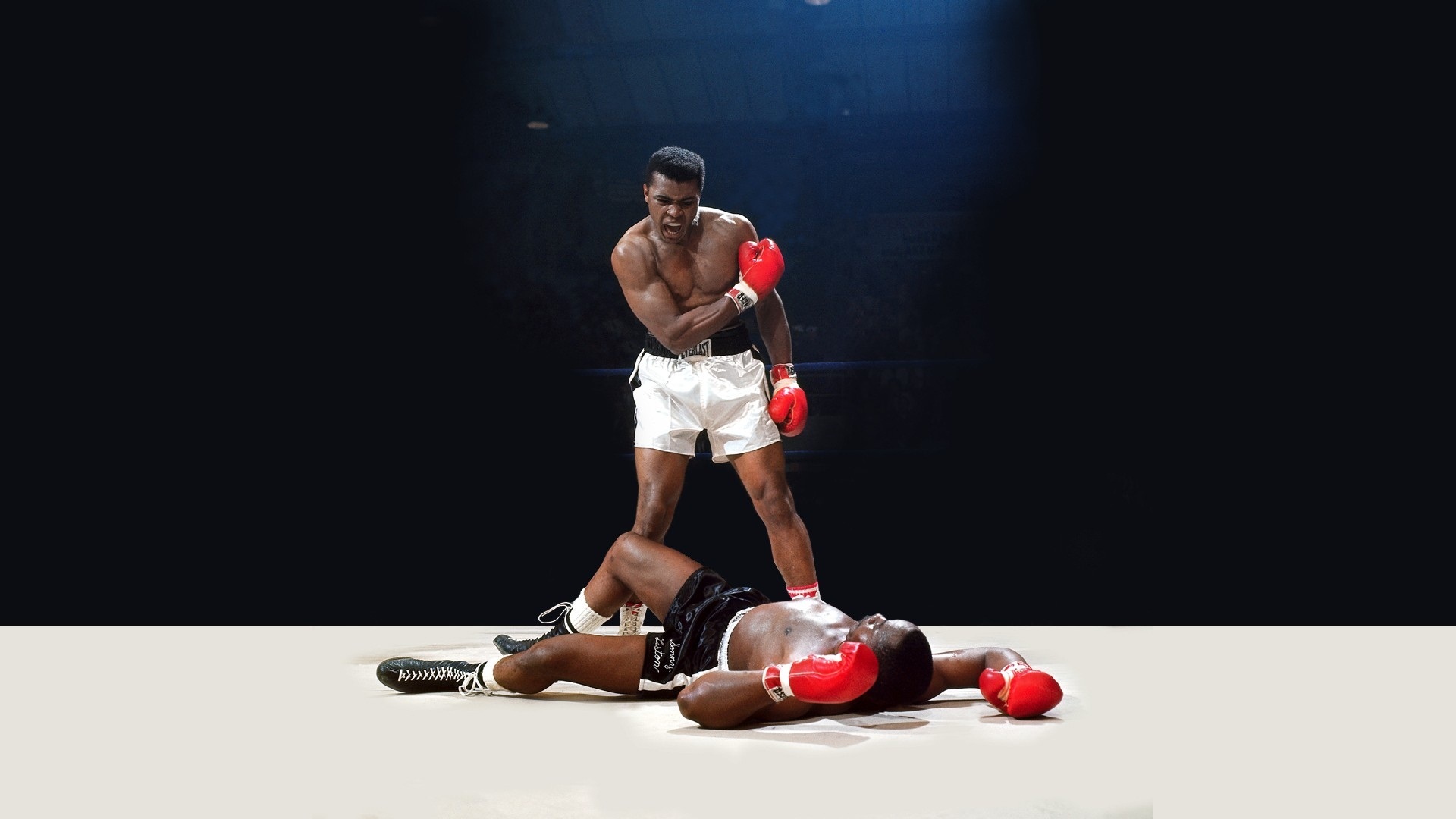
Ali was the first man to win the undisputed world heavyweight boxing title three times, and he refused to fight in the Vietnam War. Ali sacrificed his athletic career and served prison time instread.
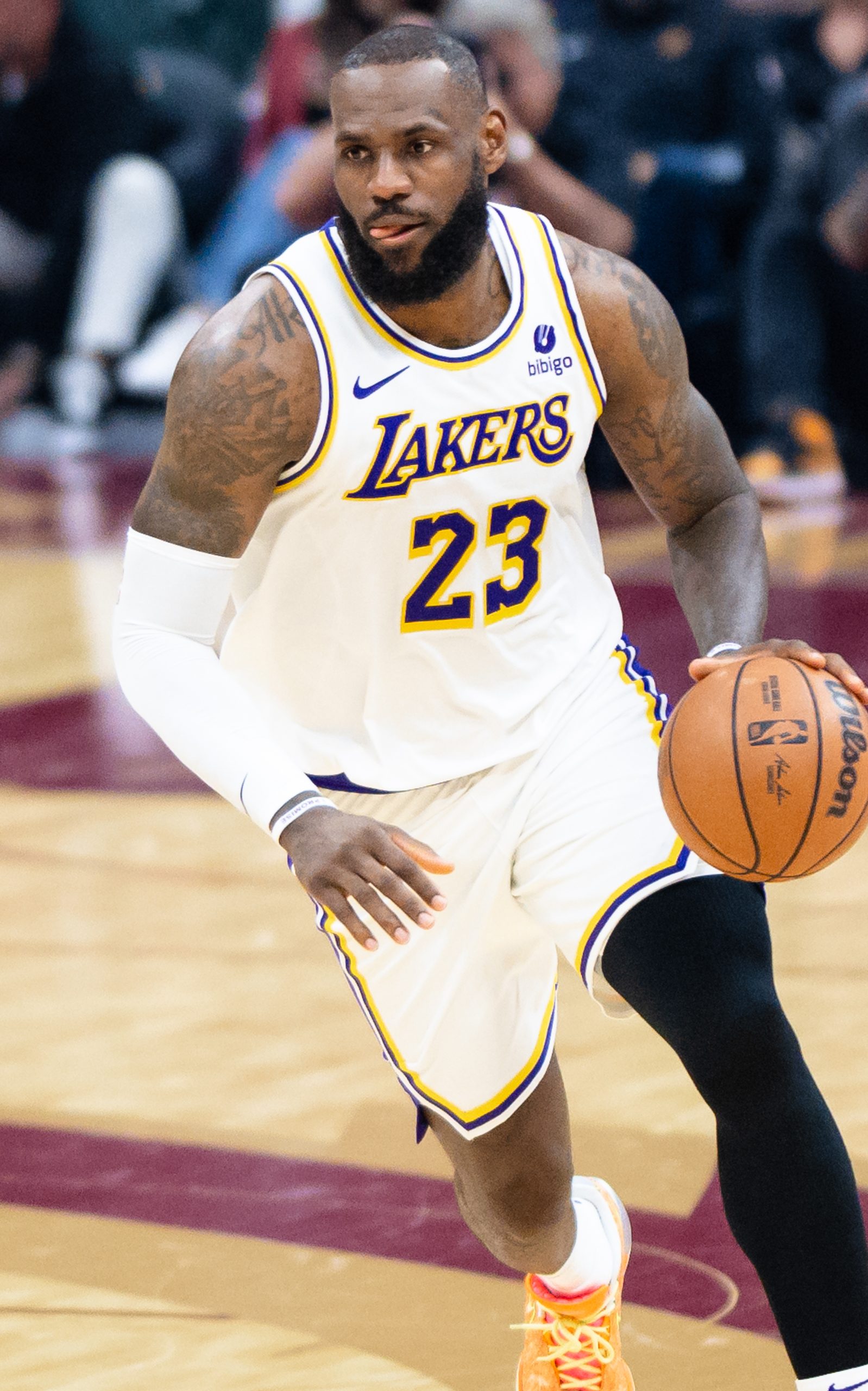
Derrick Rose, Lebron James, members of St Louis Rams stood with the Black Community in Protest
Echoing the example set by Muhammad Ali, some 50 years ago.
Black Athletes Stand with Black Community — A Legacy of Courage and Conscience
From the raised fists of Tommie Smith and John Carlos at the 1968 Olympics to the refusal of Muhammad Ali to fight in Vietnam, African American athletes have long stood at the intersection of sports and social justice. Their bodies may have been celebrated on the field, but their voices have often been challenged — especially when they speak out against racism, police violence, and systemic oppression. Today’s generation of Black professional athletes continues this legacy, echoing the bravery of their predecessors while forging new paths of protest and solidarity.
Muhammad Ali set the Example for all African American Athletes
Ali remains one of the most iconic examples of athletic resistance. In 1967, at the height of his boxing career, Ali refused induction into the U.S. Army, citing his opposition to the Vietnam War and the hypocrisy of fighting abroad while Black people were denied justice at home. “I ain’t got no quarrel with them Viet Cong,” he famously said. His stance cost him his heavyweight title and nearly four years of his prime, but it cemented his role as a global symbol of principled defiance.
Tommie Smith and John Carlos followed suit a year later, raising gloved fists during the national anthem at the Mexico City Olympics. Their silent gesture — a salute to Black Power and a protest against racial injustice — led to international backlash and professional ostracism. Yet their courage reverberated across generations, reminding the world that athletic excellence does not preclude moral responsibility.
Solidarity with Michael Brown
Fast forward to the 21st century, and the echoes of these protests are unmistakable. In 2014, following the police killing of Michael Brown in Ferguson, Missouri, several members of the St. Louis Rams entered the field with their hands raised in the now-iconic “Hands Up, Don’t Shoot” gesture. Their act of solidarity with local protesters challenged the NFL’s apolitical posture and drew national attention to the movement against police brutality.
NBA Athletes Honor Eric Garner “I Can’t Breathe”
Around the same time, NBA stars Derrick Rose, LeBron James, and Kyrie Irving wore “I Can’t Breathe” shirts during warmups, honoring Eric Garner, who died after being placed in a chokehold by NYPD officers. Their decision to speak through their uniforms — in a league where dress codes are tightly regulated — was a powerful assertion of agency. It reminded fans and fellow athletes that silence is not neutrality, and visibility can be a tool for resistance.
LeBron James Takes the lead
LeBron James, in particular, has emerged as a leading voice in athletic activism. In 2020, following the murder of George Floyd, James tweeted: “We’re literally hunted EVERYDAY/EVERYTIME we step foot outside the comfort of our homes! Can’t even go for a damn jog man!” His words reflected the fear and frustration felt by millions — and his platform ensured they were heard. James has also helped launch initiatives like More Than a Vote, aimed at combating voter suppression and empowering Black communities politically.
Colin Kaepernick Takes the Knee
Colin Kaepernick’s 2016 decision to kneel during the national anthem reignited the debate over protest in sports. His quiet act — meant to draw attention to police killings and racial injustice — cost him his NFL career but galvanized a global movement. From high school athletes to international soccer stars, the gesture spread across sports and borders, becoming a symbol of resistance and solidarity.
These modern protests are not isolated incidents. They are part of a continuum — a lineage of Black athletes who have refused to “shut up and play.” They understand that their visibility carries weight, and their silence would be complicit. Whether through symbolic gestures, public statements, or organized campaigns, they have chosen to stand with their communities, even when it costs them professionally.
In doing so, they remind us that sports are never just sports. They are stages where power, identity, and justice collide. And when African American athletes speak — or kneel, or raise a fist — they do so not just for themselves, but for generations past and future. Their protest is a form of civic memory, a living archive of resistance that refuses to be erased.
Sources: Origins: A Short History of Black Athletic Protest Black Enterprise: Black Athletes Who Protested Racism History.com: Memorable Protests by American Athletes
African American superstar athletes Derrick Rose, Lebron James, Kyrie Irving, and several members of the St. Louis Rams football team publicly showed their outrage against the coverup by St. Louis.
About The Author