Why Black Politics Is the Only Comprehensive Black Political Archive
Black Politics is unique in two complementary ways:
1. Comprehensive Historical Coverage: Black Politics is unique because it is the only comprehensive Black political archive platform documenting all five currents of Black political thought and organizing—Electoral Politics, Civil Rights/Integrationist, Separatist/Unarmed Self-Defense, Armed Self-Defense, and Revolutionary Black Nationalism—in one integrated archive spanning from Reconstruction to the present.
2. Archival Depth on Underrepresented Era: Within this comprehensive Black political archive framework, we specialize in deep archival documentation of the 1970s through 1990s—the crucial decades between the well-documented 1960s civil rights era and the digital age. Our original research, oral histories, and primary source materials on this period are unmatched in existing digital archives.
This combination of breadth (comprehensive framework) and depth (1970s-90s specialization) makes BlackPolitics.org an essential resource for researchers, educators, and organizers seeking both historical context and detailed documentation.
THE CASE FOR COMPREHENSIVE COVERAGE
The Problem: Fragmented Black Political History
Documenting What No Other Platform Does: All Five Currents in One Place
THE CASE FOR A COMPREHENSIVE BLACK POLITICAL ARCHIVE
The Problem: Fragmented Black Political History
Black political history is told in fragments across the internet:
Electoral Politics Sites document campaigns and elected officials—but ignore revolutionary movements.
Radical Archives preserve Black Panther history and revolutionary organizing—but exclude mainstream electoral politics.
Academic Sites offer scholarly depth—but lack accessibility and contemporary connections.
Museum Sites freeze history in the 1960s civil rights era—but don't connect to present-day organizing.
News Sites cover current events—but lack historical context and archival depth.
The result: Anyone trying to understand the FULL spectrum of Black political organizing must visit a dozen different sites, each with its own ideological framing, incomplete coverage, and fragmented narrative.
THE BLACKPOLITICS.ORG DIFFERENCE
We Are the ONLY Platform That:
✅ Documents ALL five currents of Black political strategy in one archive
✅ Integrates electoral and revolutionary black organizing without false binaries
✅ Connects historical movements to contemporary power through living networks
✅ Combines archival preservation with strategic tools (scorecards, timelines, toolkits)
✅ Serves researchers AND organizers with both depth and accessibility
✅ Maintains scholarly standards while remaining publicly engaged
Our Five‑Currents Framework
⚖️ Electoral Politics — Voting rights, campaigns, governance, coalition‑building
✊🏾 Civil Rights / Integrationist — Nonviolent protest, moral appeals, legal advocacy
🛡️ Separatist / Unarmed Self‑Defense — Nation of Islam, cultural nationalism, Pan‑Africanism, institutional autonomy
🔫 Armed Self‑Defense / Mass Demonstrations — Robert F. Williams, community protection, tactical resistance
🖤 Revolutionary Black Nationalism — Anti‑imperialism, self‑determination, Black nationhood, Pan‑Africanism, global solidarity
Black Politics is Unique. We document ALL of these currents of Black political thought because:
- They shaped each other through dialogue, tension, and strategic response
- Leaders moved between currents — neat categories falsify messy reality
- Today's organizers need the complete toolkit — not sanitized fragments
- Intellectual honesty demands it — comprehensive truth over comfortable narratives
COMPETITIVE ANALYSIS: WHAT OTHER SITES COVER
This anylsis paints a picture of fragmented Black political historyElectoral Politics Sites
Examples:
- Joint Center for Political and Economic Studies
- Congressional Black Caucus Foundation
- BlackPast.org (electoral sections)
What They Cover:
- Elected officials and campaigns
- Voting rights legislation
- Party politics and coalitions
- Policy analysis
What They Miss:
- Revolutionary organizing traditions
- Armed self-defense history
- Separatist movements
- Radical political formations
Coverage Score: ⚖️ Electoral only (1 of 5 currents)
Radical/Revolutionary Archives
Examples:
- Freedom Archives
- It's About Time BPP Archive
- Malcolm X Project (Columbia)
What They Cover:
- Black Panther Party history
- Revolutionary Action Movement
- Armed self-defense organizing
- Anti-imperialist movements
What They Miss:
- Contemporary electoral organizing
- Mainstream political campaigns
- Coalition-building with labor/liberals
- Governing and policy implementation
Coverage Score: 🖤 Revolutionary only (1 of 5 currents)
Academic/Museum Sites
Examples:
- Digital Archive of the Black Freedom Struggle
- National Museum of African American History
- Civil Rights Digital Library
What They Cover:
- Civil rights movement (1950s-1960s)
- Key figures and events
- Primary source documents
- Educational resources
What They Miss:
- Post-1970s organizing
- Contemporary political infrastructure
- Strategic analysis for organizers
- Integration of all five currents
Coverage Score: ✊🏾 Civil Rights focus (1-2 of 5 currents, historical only)
News/Commentary Sites
Examples:
- The Root
- TheGrio
- Black Enterprise (politics section)
What They Cover:
- Current political news
- Commentary and analysis
- Profiles of contemporary figures
- Immediate events
What They Miss:
- Historical depth and context
- Archival documentation
- Strategic organizing analysis
- Comprehensive movement history
Coverage Score: Contemporary only, no archival depth
COMPARATIVE CHART: BLACK POLITICAL HISTORY SITES COMPARISON
| Platform | Electoral | Civil Rights | Separatist | Armed Defense | Revolutionary | Score |
|---|---|---|---|---|---|---|
| Joint Center | ✅ | ❌ | ❌ | ❌ | ❌ | 1/5 |
| Freedom Archives | ❌ | ❌ | ❌ | ✅ | ✅ | 2/5 |
| BlackPast.org | ✅ | ✅ | ⚠️ | ⚠️ | ❌ | 2.5/5 |
| NMAAHC | ⚠️ | ✅ | ❌ | ❌ | ❌ | 1.5/5 |
| Malcolm X Project | ❌ | ❌ | ✅ | ⚠️ | ✅ | 2.5/5 |
| BlackPolitics.org | ✅ | ✅ | ✅ | ✅ | ✅ | 5/5 |
Legend:
✅ Comprehensive coverage
⚠️ Partial/limited coverage
❌ No coverage or minimal mentions
WHY COMPREHENSIVE COVERAGE MATTERS
1. Historical Accuracy Requires Complete Black Political Documentation
Black political history is this multifaceted. Any site claiming to document Black political thought while excluding revolutionary movements, or documenting revolutionary movements while excluding electoral organizing, is providing incomplete or fragmented Black political history.
Example:The currents shaped each other. You cannot understand the Congressional Black Caucus without understanding Reconstruction, when Black legislators briefly held power in Southern states before being violently crushed by white supremacists. That destruction—and the Jim Crow era it birthed—made the nonviolent civil rights movement necessary, which in turn gave rise to Black Power, its self-defense wings (armed and unarmed), and revolutionary Black nationalism. The currents emerged in dialogue, tension, and response.
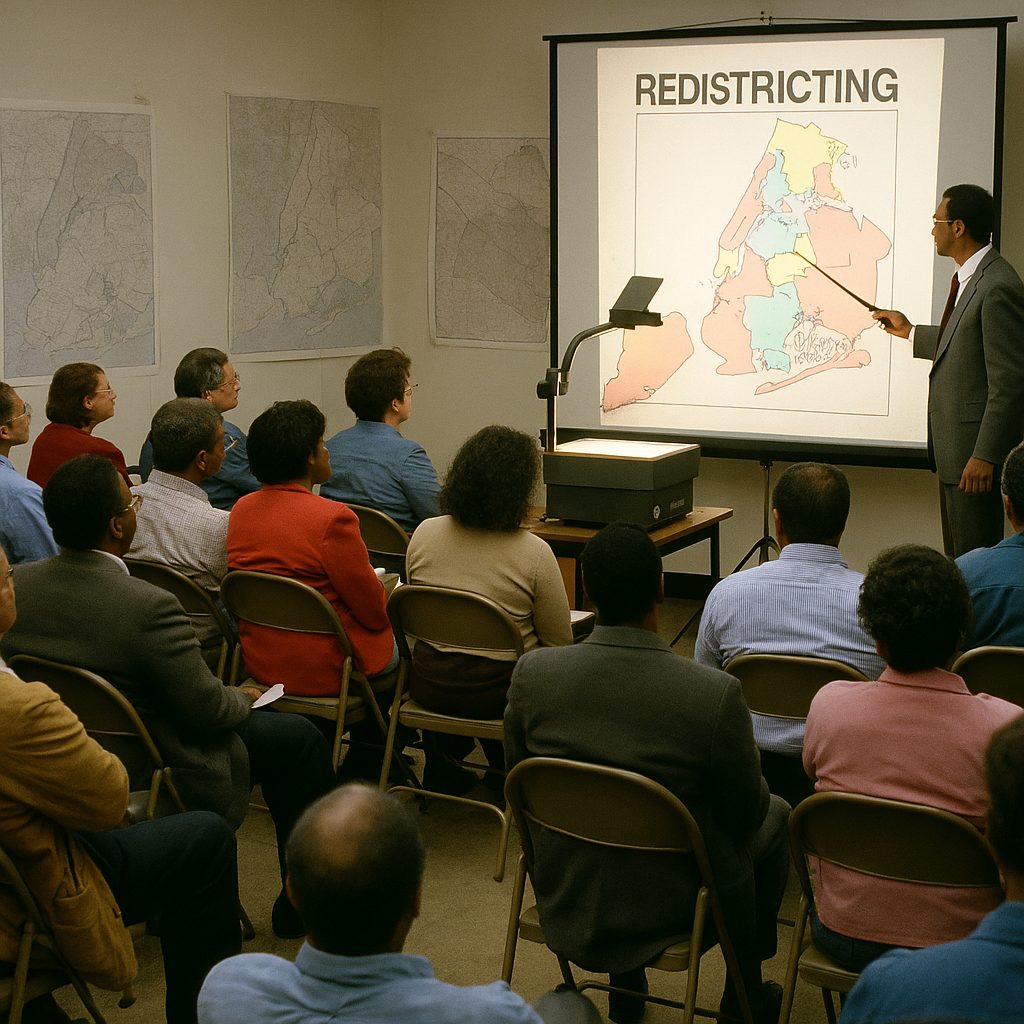
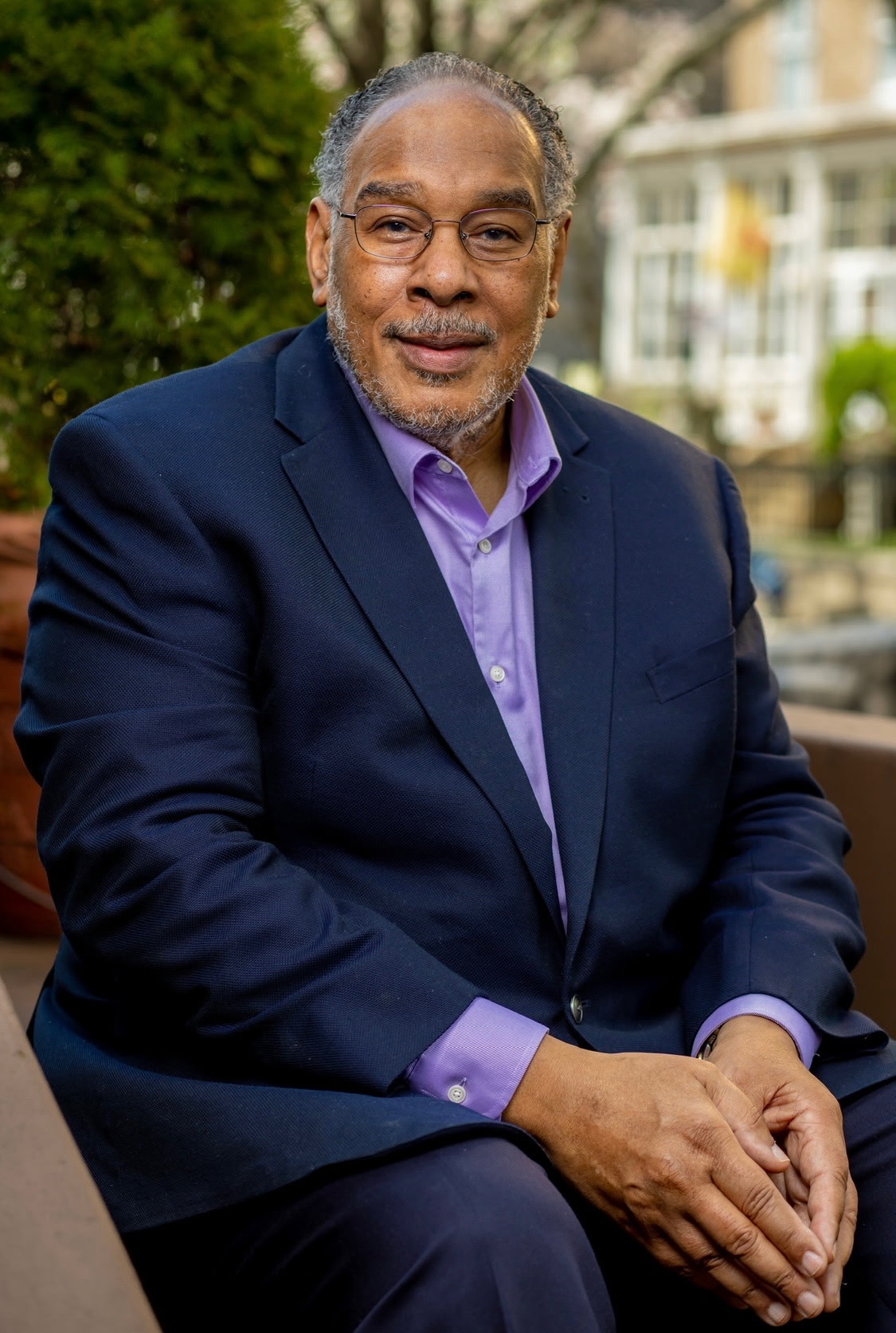
Leaders and organizations moved between currents constantly: Rigid categories that separate currents into different archives make these trajectories incomprehensible. Contemporary activists face conditions different from the 1960s, 1970s, or 1990s. They need access to ALL historical strategies—from voter registration drives to armed defense to international solidarity—to make informed choices about what tactics fit their circumstances. A site that only documents electoral politics tells organizers: "This is the only legitimate path." Black Politics says: "Here are all five currents of Black political thought and action. Study them. Understand them. Make your own strategic choices." Academics and researchers need a comprehensive Black political archive. Scholars, journalists, and serious researchers recognize sanitized history immediately. Sites that exclude "controversial" currents lose credibility with anyone seeking comprehensive truth. By documenting ALL five currentsof black political thought and action —including armed self-defense, revolutionary organizing, and radical nationalism—BlackPolitics.org establishes authority that partial archives cannot match, underscoring why Black Politics is unique. You cannot understand any single current without understanding its relationship to the others: These currents were in dialogue, debate, and sometimes conflict. Separating them into different archives obscures these relationships. Sample Content: Depth: Detailed documentation of organizing techniques, coalition-building, field operations, redistricting battles Sample Content: Depth: Primary source accounts, including Muhammad Ahmad (Max Stanford) firsthand RAM documentation Sample Content: Sample Content: Sample Content: ✅ One-stop comprehensive source — no need to visit multiple fragmented archives ✅ Complete strategic toolkit — access to all organizing traditions ✅ Comprehensive curriculum resource — teach full spectrum without multiple sites ✅ Authoritative reference — credible source for historical context "Covering RAM and Hakeem Jeffries on the same site seems incongruous. Won't this confuse readers or undermine credibility?" No—because we explain the framework clearly and consistently. Our comprehensive coverage is our STRENGTH, not a liability, when properly framed: Every major page explains the five-currents model: Rather than pretending the currents were separate, we document their actual relationships: We assume readers can understand: 1. Ideological Constraints Electoral politics sites can't cover revolutionary movements without alienating institutional funders and mainstream audiences. Revolutionary archives can't cover electoral politics without appearing to endorse "system politics" their core audience rejects. BlackPolitics.org has no ideological constraint — our mission is comprehensive historical documentation. 2. Institutional Knowledge Covering all five currents requires deep knowledge of: Few individuals or organizations possess this breadth of knowledge. BlackPolitics.org’s Editor‑in‑Chief has lived experience spanning multiple currents — including leadership roles in national student organizing, the NY Metropolitan Black United Front, the Coalition to Save Sydenham Hospital, the anti‑apartheid movement, and the Nelson Mandela Welcoming Committee. He directed Countdown ’88, Countdown ’89, and the CSS Redistricting Project; provided national voting rights leadership at the Southern Regional Council; managed political, legislative, and issue campaigns; and built coalitions at the AFL‑CIO. He also carries a deep historical understanding of grassroots mobilizations, direct action traditions, and revolutionary organizing. 3. Resource Requirements Building comprehensive coverage requires: Most sites lack resources for this scope. 4. Risk Tolerance Covering controversial topics—armed self-defense, revolutionary organizing, radical nationalism—requires willingness to face criticism. Many institutions avoid this content to protect funding, reputation, or mainstream acceptance. Black Politics accepts this risk because intellectual honesty demands it.2. Movements Were Fluid, Not Fixed
3. Organizers Need Complete Historical Black Political Organizing Toolkit
A site that only documents revolutionary organizing tells them: "Electoral politics is useless."
Neither position serves contemporary organizing.4. Intellectual Honesty Builds Credibility
5. The Currents of Black Political Thought Shaped Each Other
EVIDENCE: WHAT BLACKPOLITICS.ORG ACTUALLY COVERS
⚖️ Electoral Politics Coverage
🖤 Revolutionary Black Nationalism Coverage
✊🏾 Civil Rights/Integrationist Coverage
🛡️ Separatist/Unarmed Self-Defense Coverage
🔫 Armed Self-Defense Coverage
THE STRATEGIC VALUE OF COMPREHENSIVE COVERAGE
For Researchers:
✅ Cross-current connections visible — understand how movements influenced each other
✅ Primary sources and analysis — both raw documentation and scholarly interpretation
✅ Contemporary connections — see how historical currents shape present organizing For Organizers:
✅ Honest assessment — successes and failures of each approach documented
✅ Tactical flexibility — learn from multiple traditions rather than one orthodoxy
✅ Historical context — understand which strategies worked under which conditions For Educators:
✅ Critical thinking framework — students compare/contrast different currents
✅ Primary source access — firsthand accounts and documents available
✅ Contemporary relevance — connect history to present-day organizing For Journalists:
✅ Nuanced understanding — avoid simplistic narratives about Black politics
✅ Contemporary connections — understand politicians' organizing lineages
✅ Fact-checking resource — verify claims about historical movements
ADDRESSING THE QUESTION: "ISN'T THIS TOO BROAD?"
The Concern:
The Answer:
1. We Make the Framework Explicit
2. We Show the Connections
3. We Maintain Editorial Clarity
4. We Trust Reader Intelligence
THE COMPETITIVE MOAT
Why Other Sites Can't (or Won't) Replicate This