Take our voting rights movement quiz to test your knowledge of one of America’s most transformative struggles for democracy. From Reconstruction constitutional amendments to groundbreaking Supreme Court decisions to historic marches and mass mobilizations, the voting rights movement reshaped American politics and black political history, and opened doors for Black political participation. The fight wasn’t just about casting ballots but about breaking down institutional barriers and ensuring that Black Americans could elect candidates who truly represented their communities.
Do you know the key Supreme Court cases that changed electoral maps across the South? Can you identify the pivotal moments that led to the Voting Rights Act of 1965? This Black voting rights quiz challenges you to explore the legislative battles legal victories and grassroots organizing that expanded democracy. Whether you’re studying civil rights voting history researching electoral politics or simply want to understand how voting rights were won and are still being defended today this voting rights trivia quiz offers essential knowledge about the struggle for political power.
The Movement Behind the Milestones
The history of Black voting rights is not a straight line — it’s a braided struggle of resistance, resilience, and reinvention. From Reconstruction’s promise to Jim Crow’s betrayal, from courthouse battles to community canvassing, each generation has fought to reclaim the ballot as a tool of liberation.
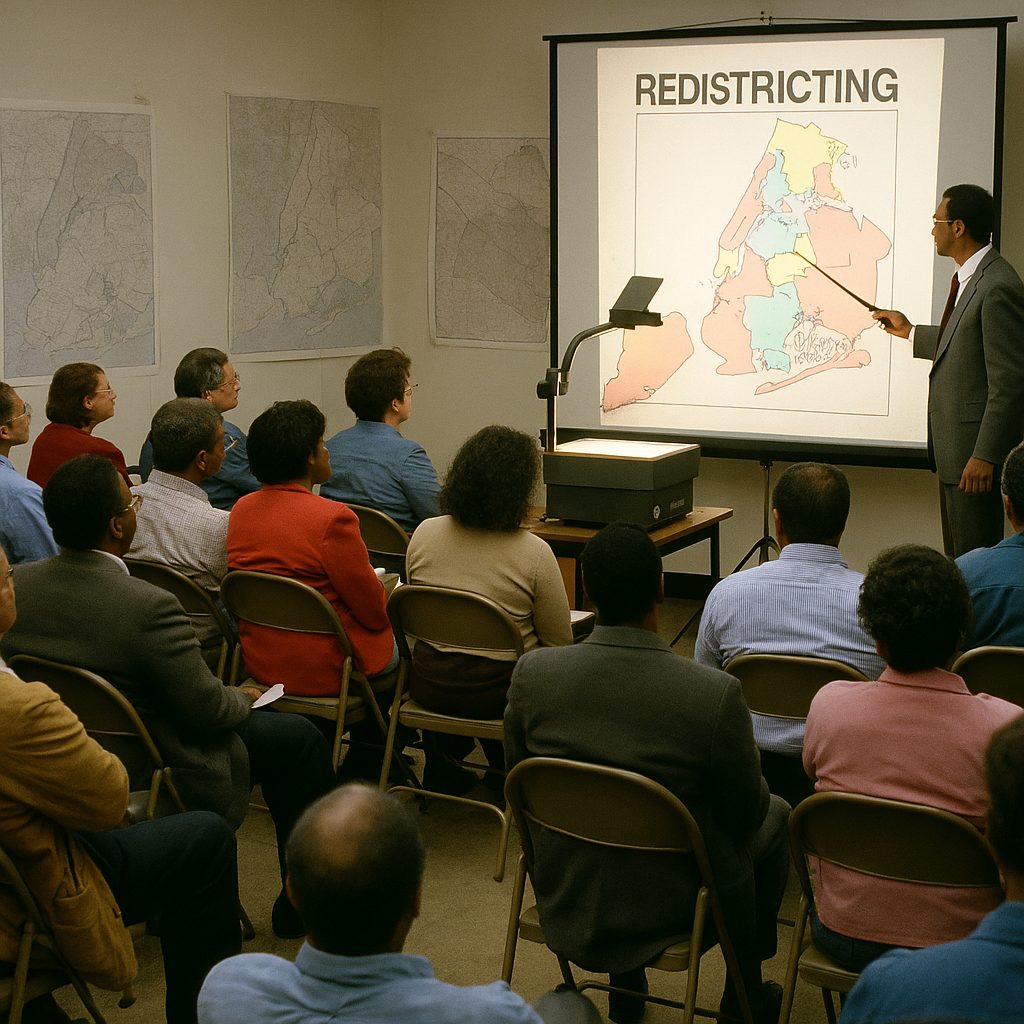
This quiz doesn’t just test facts — it honors the people who made those facts possible. The organizers who mapped new districts, the elders who taught civic literacy, the students who registered voters in hostile counties, and the coalitions that turned local fights into national change.
🔍 Why It Still Matters
Voting rights are not static. They’re shaped by laws, challenged by courts, and defended by communities. The same tactics used to suppress votes in the past — purges, ID laws, gerrymandering — still echo today. Understanding the movement’s history helps us recognize those patterns and respond with clarity and purpose.
📣 Keep Learning, Keep Building
This quiz is part of a larger civic memory initiative. Explore our archives, timelines, and oral histories to see how Black political participation has evolved — and how it continues to shape American democracy.
Voting Rights Movement Quiz | Test Your Knowledge
Test your knowledge. take the quiz:
Results


#1. What landmark Supreme Court case in 1944 outlawed the white primary system?
Smith v Allwright marked the beginning of the modern voting rights movement by declaring that excluding Black voters from primary elections was unconstitutional.
#2. On what date did President Lyndon B Johnson sign the Voting Rights Act into law?
The signing ceremony took place in the Capitol Rotunda with Martin Luther King Rosa Parks and other civil rights leaders present.
#3. What event is considered a pivotal turning point in the modern Voting Rights Movement?
The brutal attack on peaceful marchers at the Edmund Pettus Bridge galvanized national support for voting rights legislation.
#4. Which Supreme Court case in 1986 fundamentally changed Black office holding in the South?
This decision established criteria for proving vote dilution and forced the creation of single member districts where Black voters could elect their candidates of choice.
#5. What voting scheme was used to prevent Black voters from electing their candidates of choice?
At large voting meant that even when Black people could vote the white majority could always outvote them through racially polarized bloc voting.
#6. How many Black elected officials were in the South in 1973?
This number grew dramatically to 4924 by 1993 after the 1982 amendments to the Voting Rights Act and the Thornburg v Gingles decision.
#7. What year were the critical amendments to Section 2 of the Voting Rights Act passed?
These amendments strengthened protections against vote dilution and led to a revolution in Black office holding across the South.
#8. Which constitutional amendment prohibited states from denying voting rights based on race?
Ratified in 1870 the 15th Amendment stated that the right to vote shall not be denied on account of race color or previous condition of servitude.
#9. What was the three phase process of the modern Voting Rights Movement?
The movement focused on voter registration getting people to the polls and breaking down barriers that prevented electing candidates of choice.
#10. Which Supreme Court decision in 2013 weakened the Voting Rights Act?
This decision struck down the preclearance formula in Section 5 allowing states with histories of discrimination to change voting laws without federal approval.
About The Author