Armory at 357 Sumner Ave Brooklyn (Marcus Garvey Blvd) Home of Uhuru Sasa Shule
🏫 Uhuru Sasa Shule: The Freedom Now School of Black Sovereignty
Uhuru Sasa Shule was the educational cornerstone of The East — a radical experiment in Black self-determination founded in 1969 in Bedford-Stuyvesant, Brooklyn. Located on the first floor of 10 Claver Place, the school was more than a building: it was a living curriculum of liberation. Founded as part of The East’s cultural nationalist ecosystem, Uhuru Sasa Shule redefined Black education in Brooklyn. Uhuru Sasa meaning in Kiswahili is “Freedom Now”.
⚔️ The Ocean Hill–Brownsville Struggle: Prelude to Uhuru Sasa
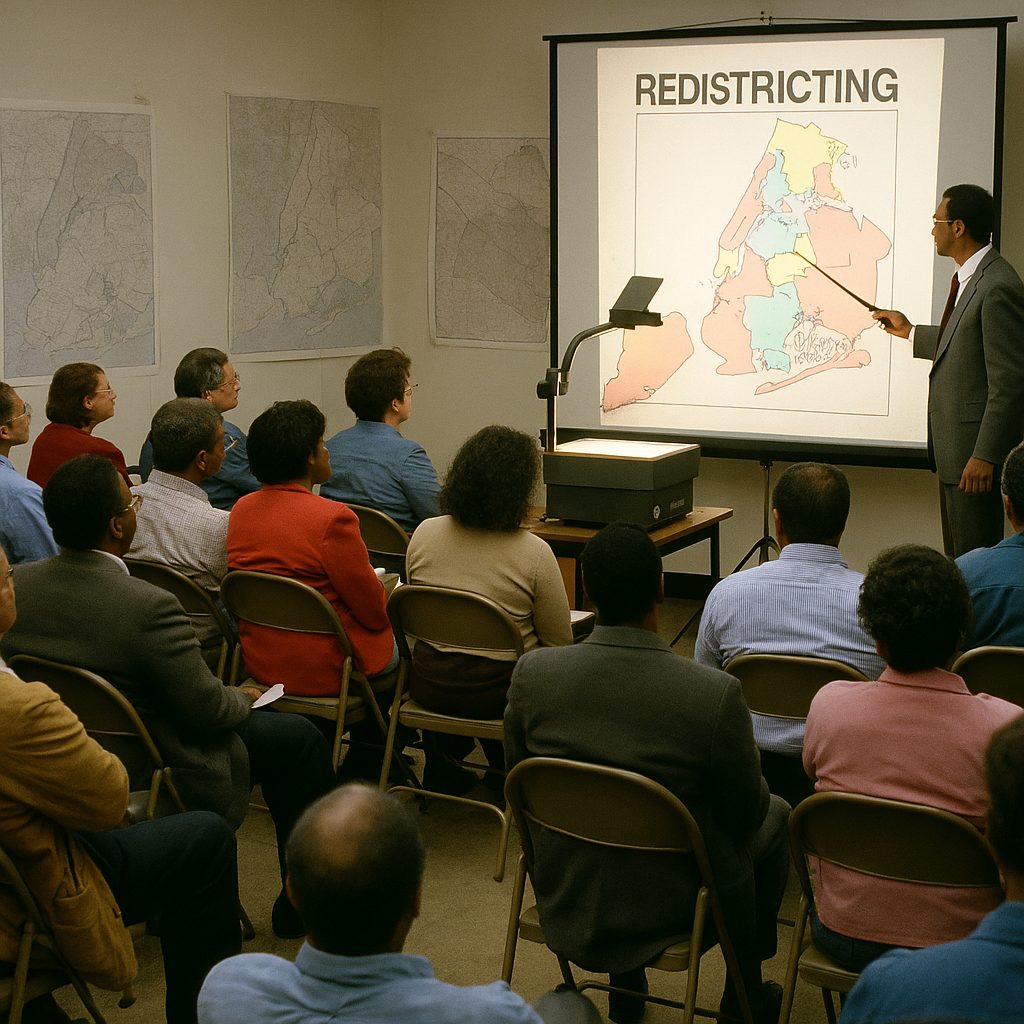
The founding of Uhuru Sasa Shule was inseparable from the Ocean Hill–Brownsville education crisis of 1968, a watershed moment in the fight for community control of schools. In this Brooklyn district, Black and Puerto Rican parents demanded the right to hire and fire teachers, shape curriculum, and govern their children’s education — challenging the centralized authority of the New York City Board of Education and the powerful United Federation of Teachers (UFT).
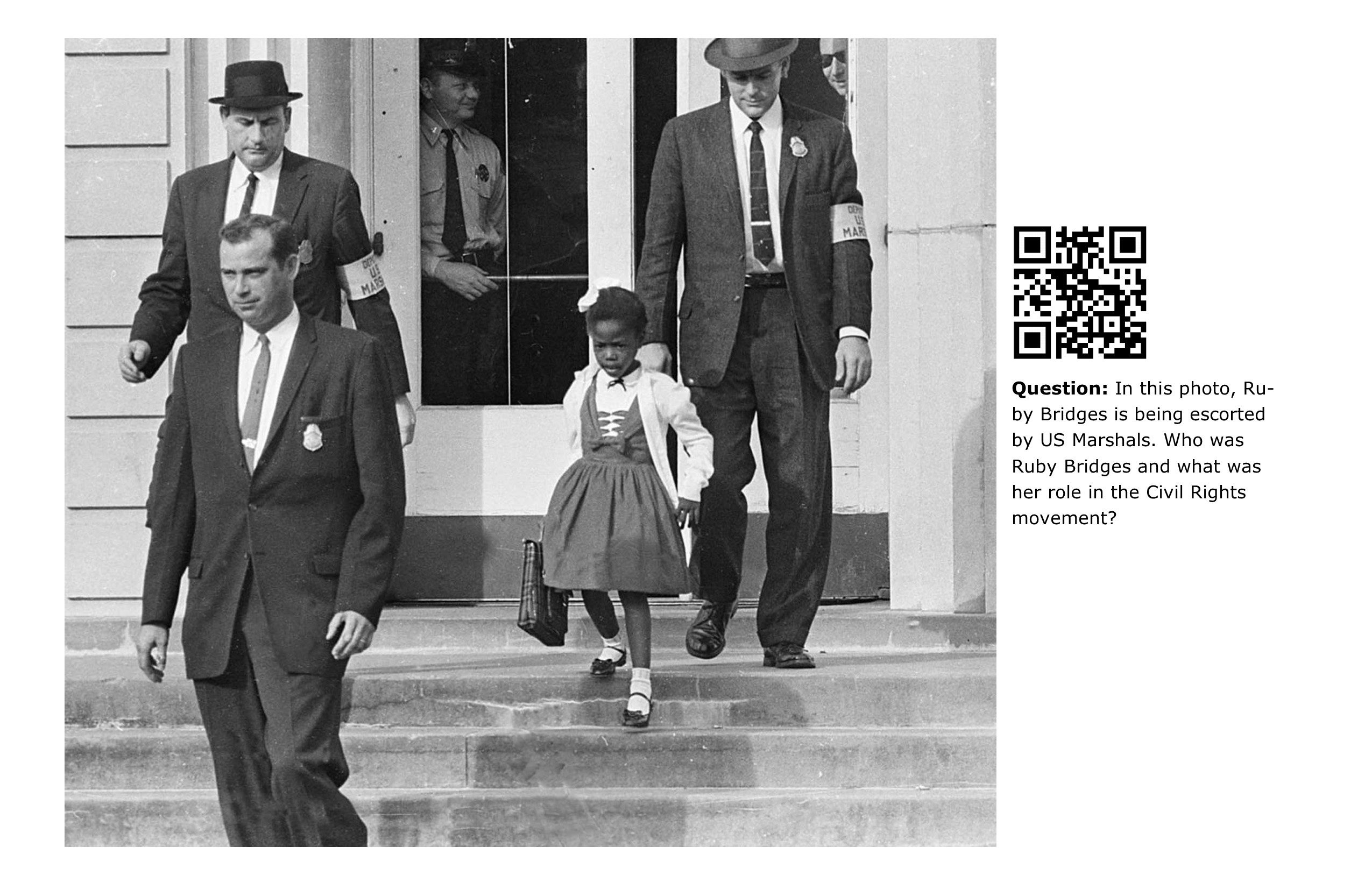
The conflict escalated when Jitu Weusi, then a public school teacher and activist, helped lead the local governing board’s decision to dismiss several white teachers who resisted the community’s vision. The UFT responded with a citywide teachers’ strike, paralyzing the school system and exposing deep racial fault lines in liberal New York.
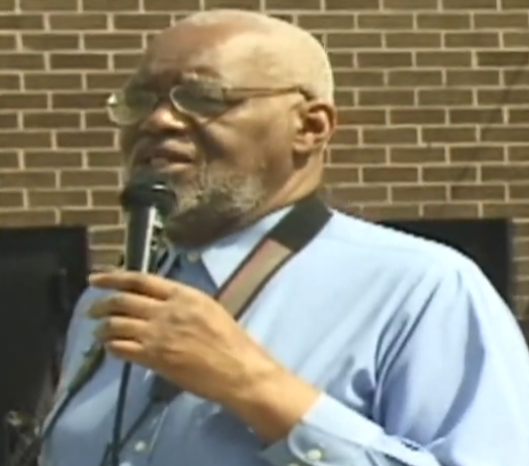
For Weusi and others, the strike confirmed that Black educational sovereignty could not be negotiated within existing structures. The answer was to build anew — and so, in 1969, they founded Uhuru Sasa Shule, a school where African-centered pedagogy, political education, and cultural pride were not just tolerated, but foundational.
This struggle wasn’t just a local dispute — it was a national inflection point, marking the shift from integrationist demands to institutional self-determination. Uhuru Sasa became the living embodiment of that shift.
🔥 Founding Vision
- Created by Jitu Weusi, Adeyeme Bandele, and other members of The East
- Rooted in the belief that Black children deserved education grounded in African history, pride, and political agency
- Rejected Eurocentric curricula and the assimilationist model of public schooling
🧠 Pedagogy and Practice
- Students pledged allegiance not to the U.S. flag, but to the Black Liberation Movement
- Curriculum included:
- Kiswahili language instruction
- African history and geography
- Political education and Pan-African theory
- Arts and cultural expression as tools of resistance
- Teachers were often activists, artists, and scholars — including Basir Mchawi, who later became a central figure in Black educational advocacy
Move from The East to National Guard Armory on Sumner Ave (Marcus Garvey Blvd)
By the early 1970s, the school had outgrown its original space at 10 Claver Place. In a bold expansion of its vision, Uhuru Sasa Shule relocated to the former National Guard Armory at 357 Sumner Avenue — now Marcus Garvey Boulevard. The move was more than logistical; it was symbolic. The Armory, once a site of state power, was transformed into a center of Black educational sovereignty. Its cavernous halls hosted not only classrooms but also mass meetings, cultural festivals, and political forums — making the school a nucleus of community life in Bedford-Stuyvesant. The building’s sheer scale allowed the institution to grow in ambition and scope, accommodating hundreds of students and serving as a staging ground for broader organizing efforts.
Uhuru Sasa’s curriculum was unapologetically African-centered. Students studied Kiswahili, African history, and Pan-African political theory alongside math, science, and English. The school emphasized discipline, self-respect, and collective responsibility — values reinforced through rituals, uniforms, and community engagement. Teachers were often movement veterans, artists, and scholars who saw education as a revolutionary act. The school’s pedagogy rejected Eurocentric models and instead cultivated what Jitu Weusi called “nation-building consciousness.” In doing so, Uhuru Sasa became a prototype for independent Black schools across the country, influencing institutions from Chicago to Atlanta and shaping a generation of culturally grounded, politically aware youth.
“We were trying to build a nation within a nation. We were trying to build a sovereign Black space.” — Jitu Weusi
👥 Student Experience
- Alumni recall the school as “a home and a revolution” — a place where identity was affirmed and leadership cultivated
- Notable graduates include Dwana Smallwood, who became a principal dancer with Alvin Ailey and later founded her own arts academy
🏛️ Institutional Role
- Uhuru Sasa was not just a school — it was a political statement, a rejection of state control over Black minds
- It operated alongside The East’s adult education programs, bookstore, and cultural center, forming a complete ecosystem of Black learning
📉 Challenges and Legacy
- Faced financial pressures and political scrutiny, especially as city officials resisted independent Black institutions
- Closed in the mid-1980s, but its model inspired later Afrocentric schools and community education movements
🎬 In Popular Memory
- Featured prominently in the 2022 documentary The Sun Rises in the East by Tayo and Cynthia Gordy Giwa
- Photographs by Osei T. Chandler capture students outside the school, pledging to freedom and community
Next up: Black News, the biweekly newspaper and media arm of The East that carried The East’s vision and message nationwide.
Sources:
- Wikipedia – The East (Brooklyn)
- Brooklyn Magazine – Legacy of The East
- Brooklyn Rail – The Sun Rises in the East
- Brownstoner – Hidden in Plain Sight

November 9, 2025
About The Author