Take our Black electoral political power quiz to understand the ongoing struggle for African American electoral control and community self determination in America. From the brief period of Black electoral experiences during Reconstruction in Southern states to the modern fight for voting rights and fair representation, this quiz explores the historical impact of structural barriers on Black electoral political power. You’ll learn about single member districts, the Congressional Black Caucus, and whether there is potential for black electoral organizing in rural towns.
Why is Black electoral politics sometimes called the fault line of American democracy? What is the history of Black electoral power in the South? Which aspects of Black life did white supremacists try to dismantle after Reconstruction using violence, legal manipulation, and voter suppression? After over a century of electoral experience, have African Americans realized the full potential of electoral opportunities in America? How well do you understand the strategies, barriers, and victories in this ongoing struggle? Test your knowledge of one of the most critical battles in American democracy. Take the Black electoral political power quiz.


#1. When was the Congressional Black Caucus founded?
The Congressional Black Caucus was founded in 1971 to amplify the voice of Black legislators and advocate for policies benefiting Black communities.
#2. What is the primary barrier that has historically prevented Black Americans from exercising majority legislative control?
Since Reconstruction structural barriers like at large voting gerrymandering and violent suppression have prevented Black majority governance even in areas with large Black populations.
#3. Which city became known for Black political and economic power with the election of its first Black mayor in the 1970s?
Maynard Jackson transformed Atlanta into a center of Black political and economic power implementing minority contracting programs and building Black business infrastructure while serving as mayor from 1974 to 1982.
#4. What does single member district mean in electoral politics?
Single member districts allow voters in a geographic area to elect one representative making it possible for Black voters in majority Black districts to elect their candidates of choice.
#5. Why is Black electoral politics called the fault line of American democracy?
Black electoral power during Reconstruction threatened white supremacy so fundamentally that it became the one force white supremacists most urgently sought to destroy.
#6. How many Black elected officials were there in the South by 1993?
This dramatic increase from 1179 in 1973 resulted from the 1982 Voting Rights Act amendments and the Thornburg v Gingles decision.
#7. What political strategy involves registering Black voters in rural towns to win local offices?
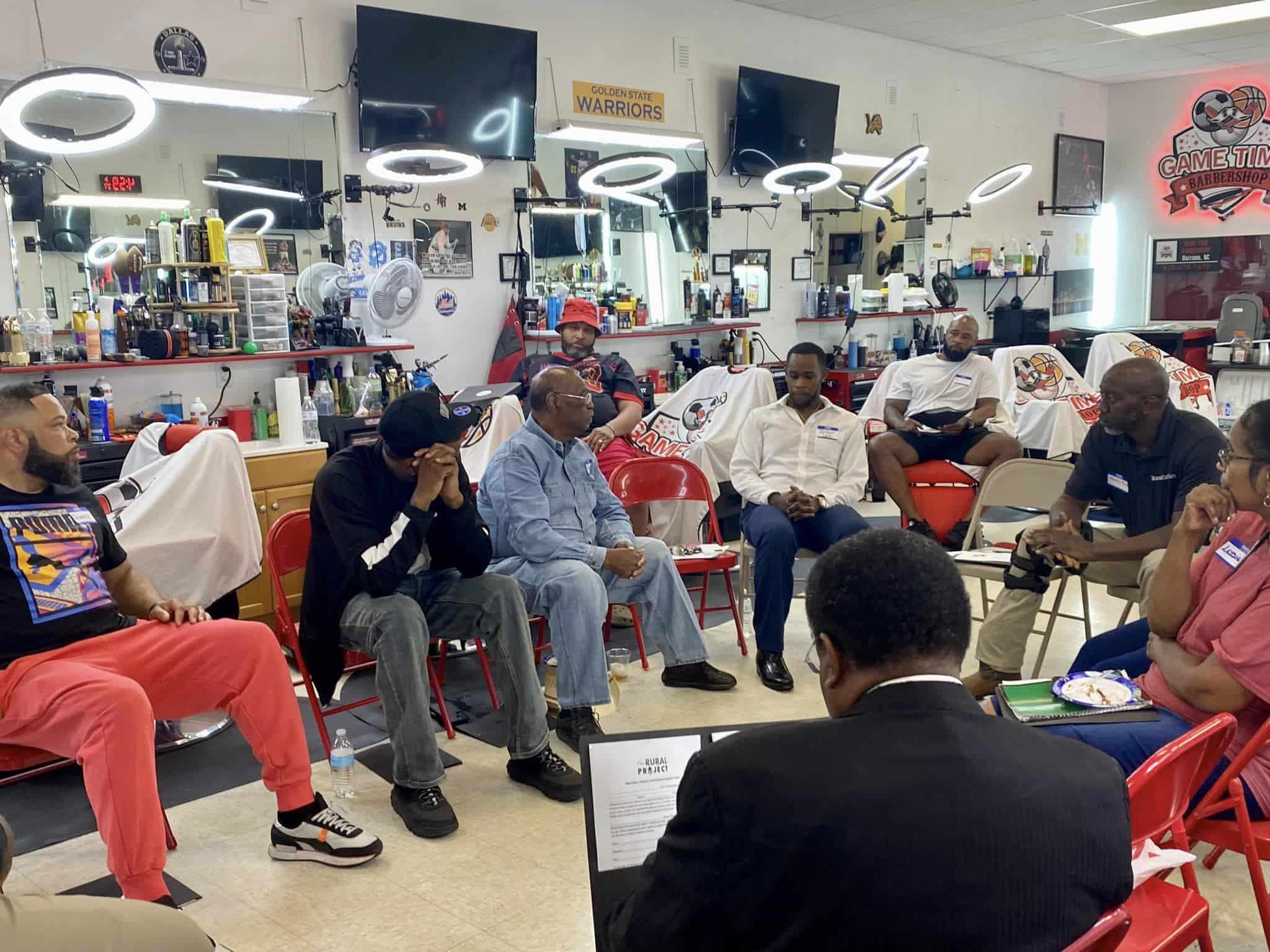
This strategy treats voter registration as revolutionary infrastructure work enabling Black communities to control local resources like schools and law enforcement.
#8. When did Black voters last exercise majority control in any state legislature?
During the 1870s Black voters briefly held legislative majorities in states like South Carolina, but this power was violently dismantled and never restored.
#9. What happened after the Supreme Court gutted Section 5 of the Voting Rights Act in 2013?
The Shelby County v Holder decision allowed states to implement restrictive voting laws without preclearance unleashing a wave of voter suppression efforts.
#10. Why are Black majority rural towns described as frontlines rather than margins?
These communities have the demographic potential to win local power through organizing voter registration and coalition building making them strategic priorities for movement work.
About The Author