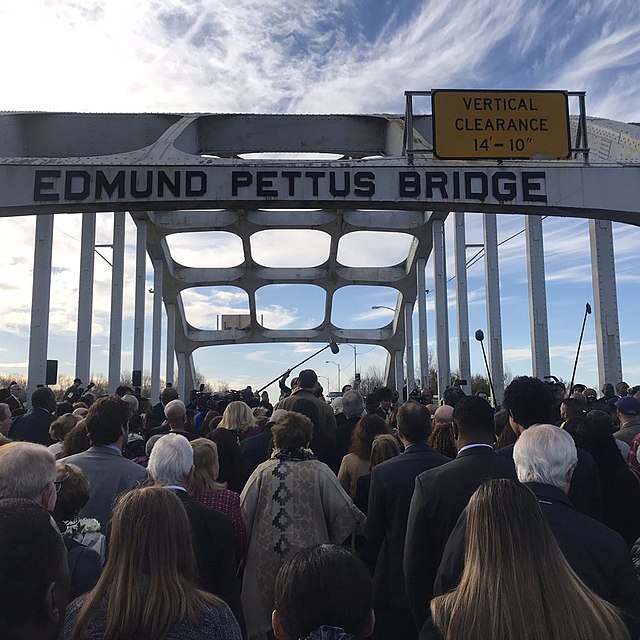
The Edmund Pettus Bridge, the site of Bloody Sunday, Symbolizes the modern Voting Rights Movement in America
The Voting Rights Movement has shaped the course of democracy in the United States.
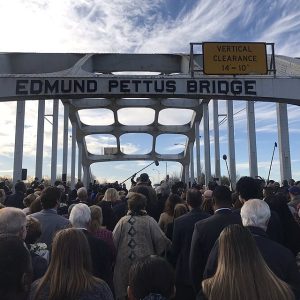
The fight for voting rights has been central to the African American freedom struggle. From Reconstruction, through Jim Crow, to the modern battles over voter suppression, Black communities have fought tirelessly for access to the ballot. For African Americans, access to the ballot box was long denied through slavery, Jim Crow laws, poll taxes, literacy tests, intimidation, and violence.
Reconstruction and Disenfranchisement
After the Civil War, the 15th Amendment granted Black men the right to vote. However, Southern states quickly enacted poll taxes, literacy tests, and violence to strip away those rights. The Civil Rights Movement of the 1950s and 1960s transformed this struggle into a defining issue of justice.
The Civil Rights Era
The modern voting rights struggle culminated in the Voting Rights Act of 1965, passed after events like Bloody Sunday on the Edmund Pettus Bridge. Leaders like John Lewis, Martin Luther King Jr., and countless grassroots organizers secured protections that transformed American democracy.
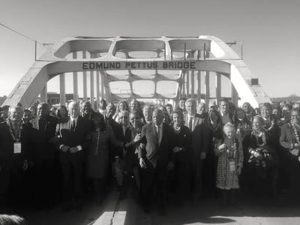
“The vote is precious. It is almost sacred. It is the most powerful non-violent tool we have in a democratic society.” – John Lewis
Selma – Symbol of the Voting Rights Movement
The Selma marches, including the infamous Bloody Sunday on March 7, 1965, where marchers were brutally attacked by police, galvanized national support. Just months later, President Lyndon B. Johnson signed the Voting Rights Act, outlawing discriminatory practices that disenfranchised Black voters.
Backsliding and Modern Suppression
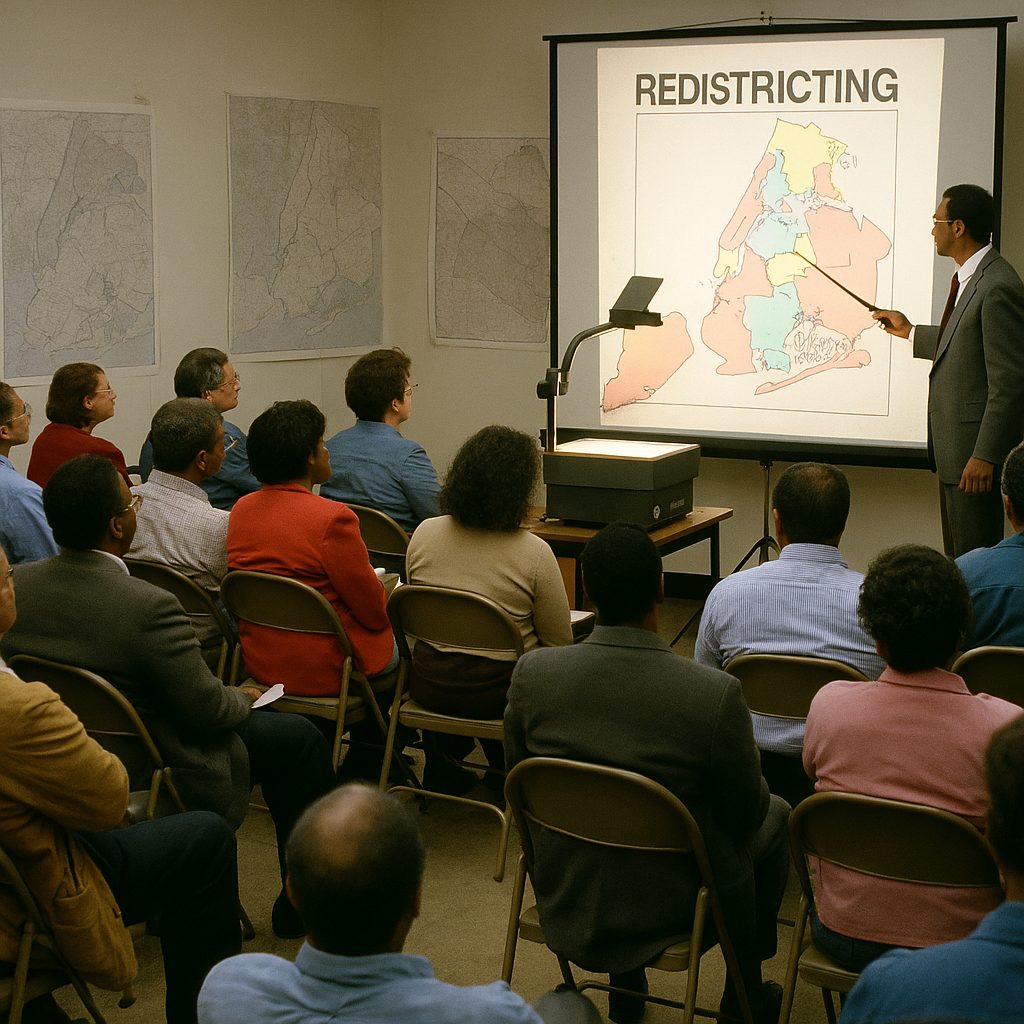
In recent decades, Supreme Court rulings like Shelby County v. Holder (2013) have weakened federal oversight of elections. States have since passed restrictive voter ID laws, reduced early voting, and engaged in gerrymandering that disproportionately affects communities of color.
“The vote is precious. It is the most powerful non-violent tool we have.” — John Lewis
The Future of the VRStruggle
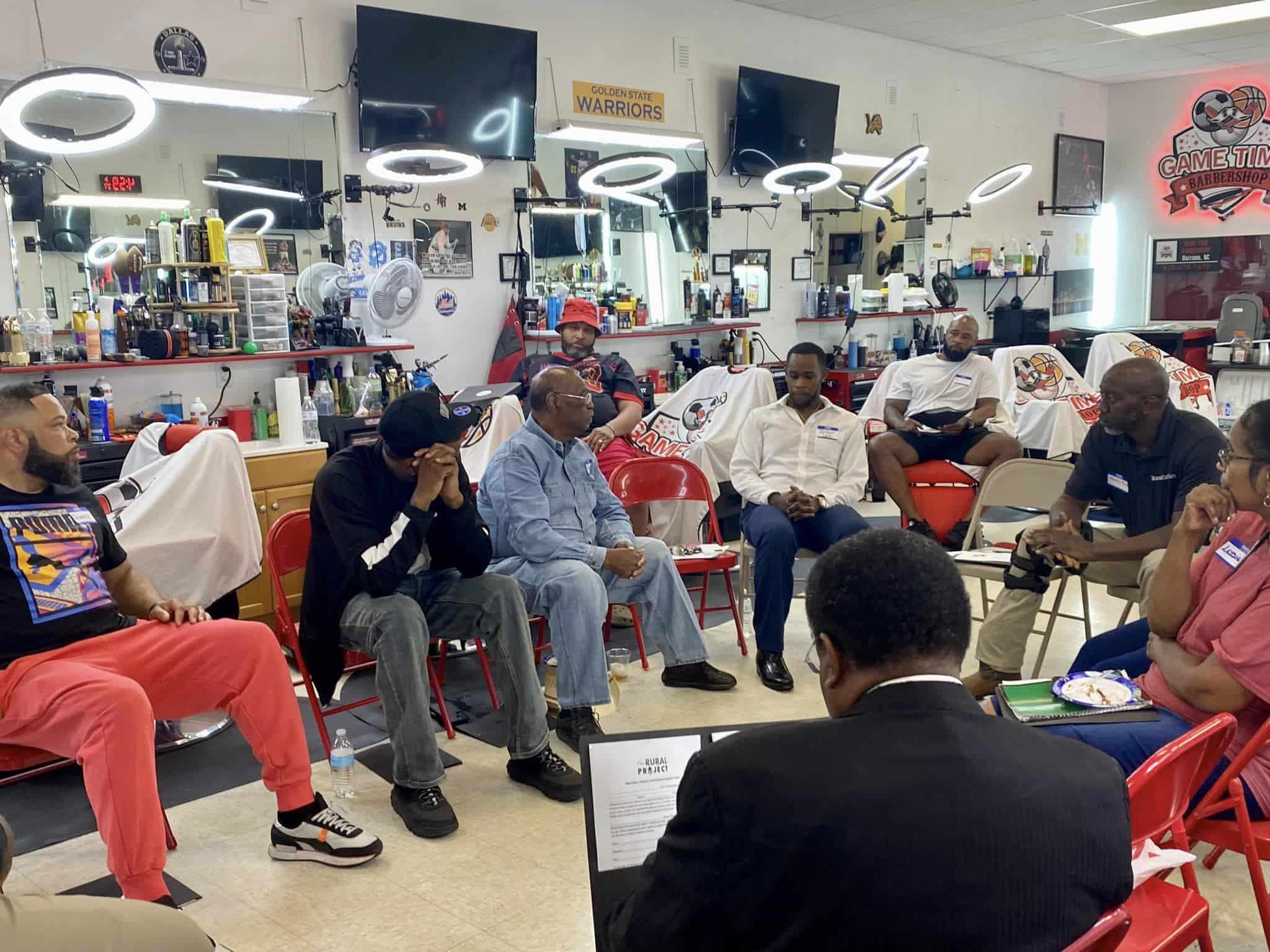
Activists continue to fight for reforms such as automatic voter registration, restoring voting rights to formerly incarcerated people, and protecting mail-in and early voting access. From battles against voter suppression to the fight for restoring the Voting Rights Act, the struggle continues. Movements like Black Voters Matter and Fair Fight are carrying forward the legacy of the 1960s and subsequent voting rights activists and advocates. Voting Right Hub
Sources & References
- National Archives: Voting Rights
- NAACP Legal Defense Fund
- Brennan Center for Justice
- Southern Poverty Law Center
Test your knowledge: This interactive quiz explores civil rights milestones and voting rights history. Click below to begin.
Results


#1. What did the 1965 Voting Rights Act accomplish?
#2. What was the purpose of the 1982 amendments to the Voting Rights Act?
#3. Which city elected the first Black mayor of a major U.S. city?
#4. What was the goal of the Countdown ’88 and Countdown ’89 campaigns in New York City?
#5. Which Supreme Court decision in 2013 weakened the Voting Rights Act?
#6. In what state did Bloody Sunday occur?
Updated 2025
August 21st, 2025
About The Author