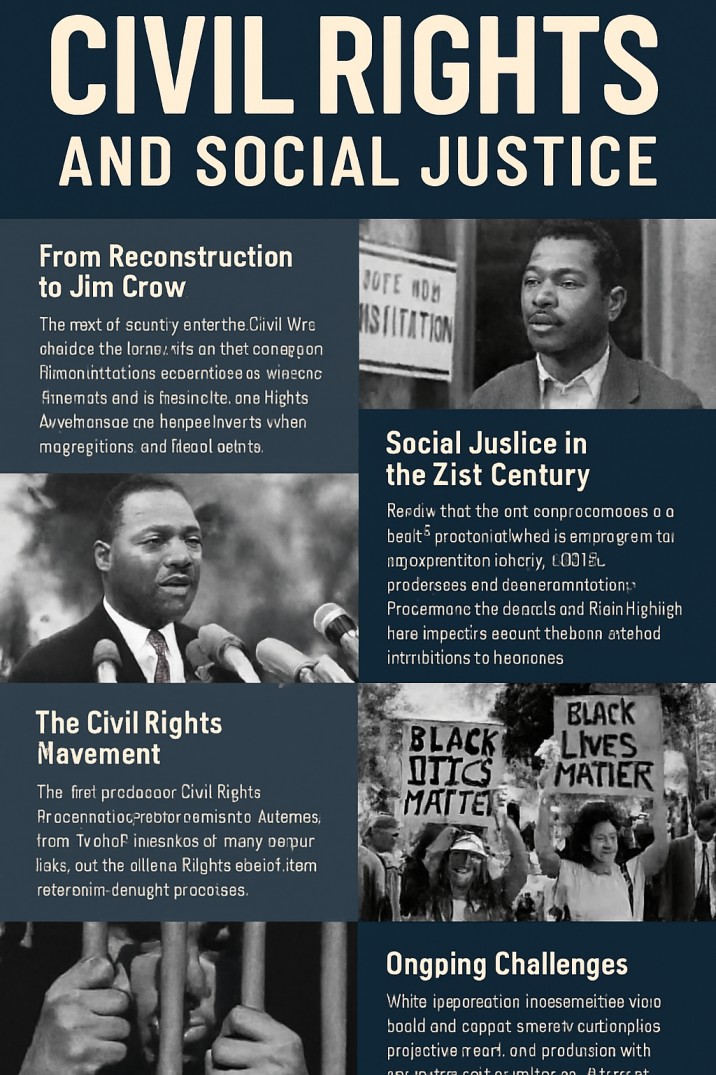
The Continuing Struggle for Civil Rights and Social Justice
The story of civil rights in America is not a closed chapter, but an ongoing narrative. From the abolition of slavery to the modern movement for Black Lives, each generation has fought to expand the promise of democracy.
From Reconstruction to Jim Crow
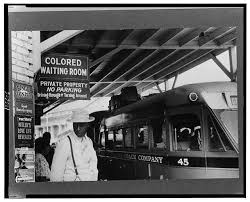
The end of slavery after the Civil War marked the beginning of a new struggle. Reconstruction amendments promised freedom and citizenship, yet Black Americans soon faced disenfranchisement, segregation, and racial terror. (National Archives)
The Civil Rights Movement
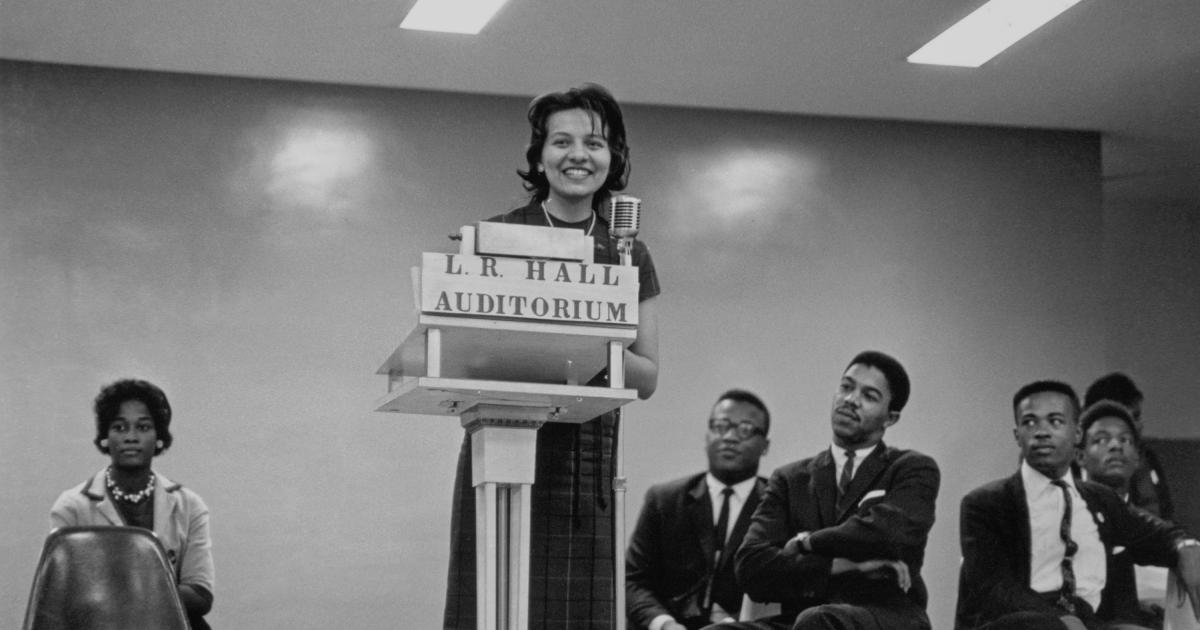
The mid-20th century Civil Rights Movement brought landmark victories, from NAACP litigation to mass protests led by Martin Luther King Jr. The Civil Rights Act of 1964 and Voting Rights Act of 1965 reshaped the nation, though resistance persisted.
Social Justice in the 21st Century
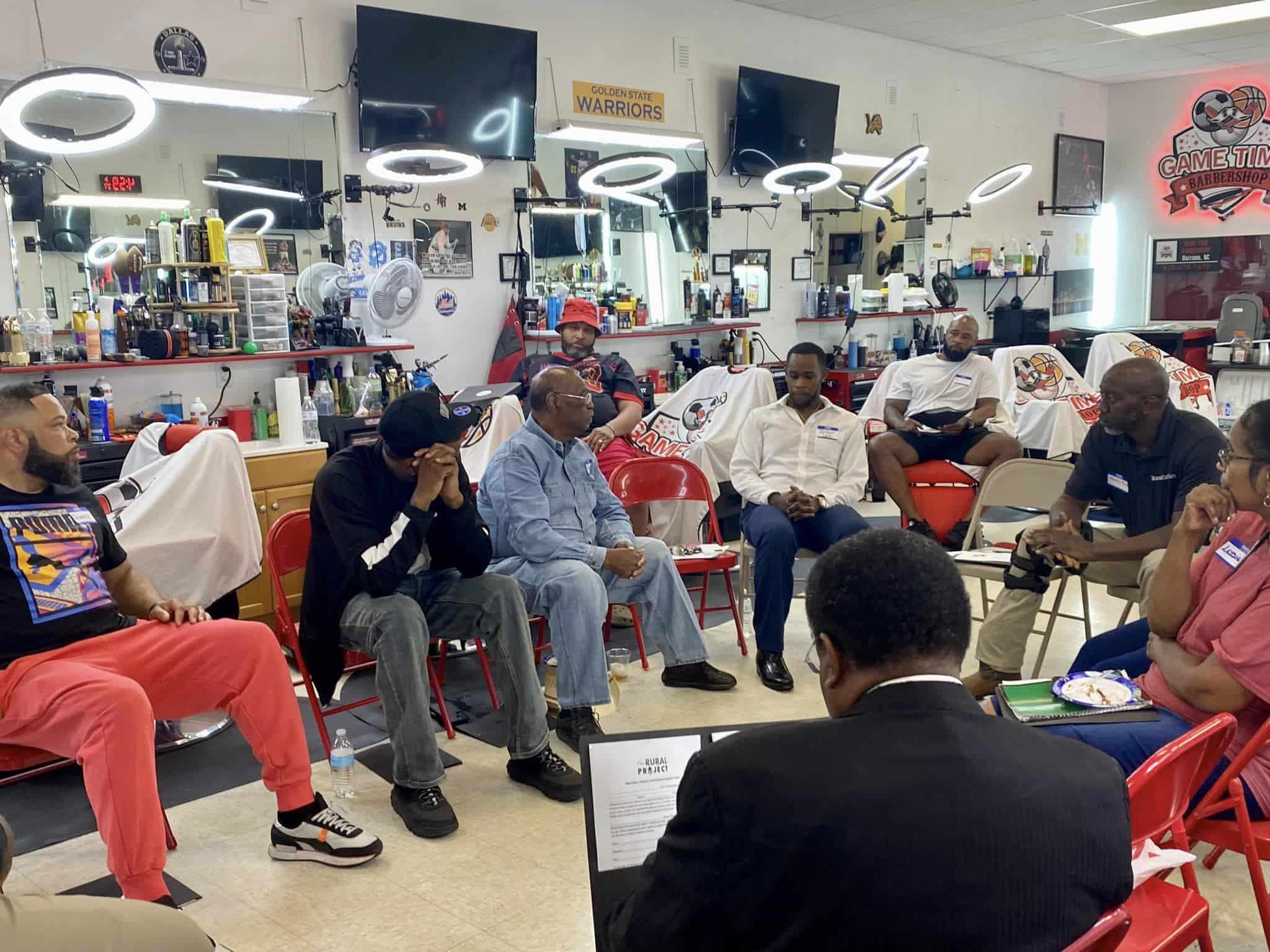
Today, the civil rights struggle encompasses a wide spectrum: police accountability, immigration reform, LGBTQ+ protections, and economic justice. Movements like Black Lives Matter highlight how systemic racism remains embedded in institutions of power.
“Injustice anywhere is a threat to justice everywhere.” — Martin Luther King, Jr.
Ongoing Challenges
Despite progress, challenges remain. Voter suppression, mass incarceration, and racial disparities in wealth, health, and education continue to undermine equality. Bridging these gaps requires both policy reform and grassroots mobilization.
Looking Ahead
The struggle for justice continues, but history shows that collective action bends the arc of history. Civil rights are not static—they must be defended and expanded in every generation.
Sources & References
- U.S. National Archives – African American History
- NAACP
- American Civil Liberties Union
- Black Lives Matter
- Southern Poverty Law Center

August 22nd, 2025
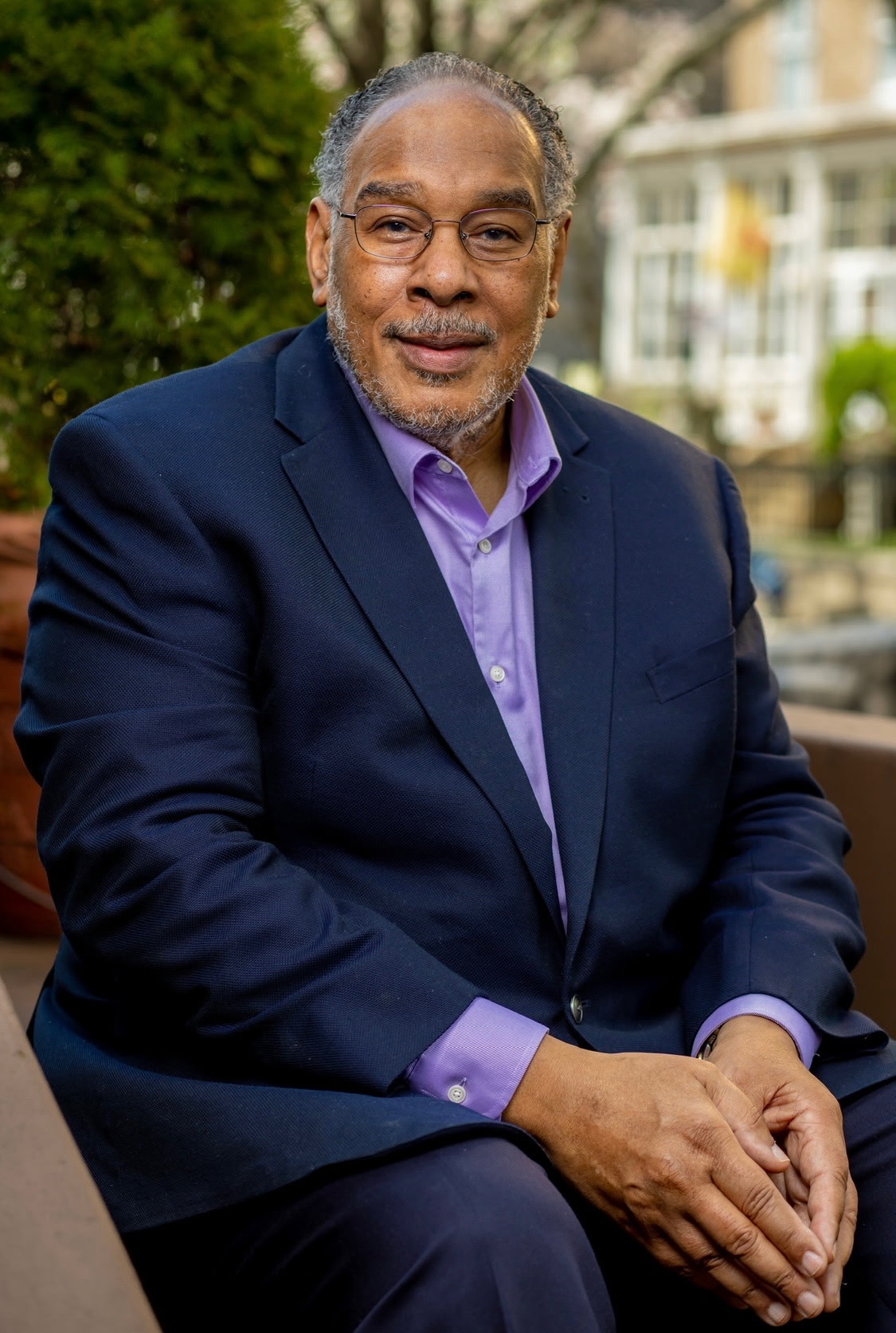
About The Author