E.D. Nixon Montgomery Bus Boycott organizer and civil rights leader
Montgomery Bus Boycott leadership
E.D. Nixon Montgomery Bus Boycott leadership changed the course of American history. As the architect behind the 1955-1956 protest, Nixon was the union organizer who bailed out Rosa Parks, recruited Martin Luther King Jr., and strategized the movement that desegregated public transportation.
How E.D. Nixon Montgomery Bus Boycott Strategy Changed Civil Rights
E.D. Nixon NAACP Montgomery was the architect behind the Montgomery Bus Boycott — a movement that reshaped American democracy and launched the modern civil rights era. Long before Rosa Parks took her historic stand, Nixon had built the infrastructure: organizing Black workers, registering voters, and preparing for a legal test case. As a Pullman Porter civil rights union leader and strategist, he convened the first planning meeting, bailed Parks out of jail, and selected Martin Luther King Jr. to lead the Montgomery Improvement Association. Though rarely credited, Nixon’s labor roots and political foresight made the boycott possible — and laid the foundation for Black political power in the South.
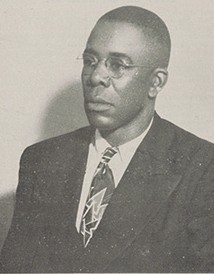
E.D. Nixon and the Blueprint for Black Political Power
E.D. Nixon’s role in the Montgomery Bus Boycott changed history forever. Most people know Rosa Parks. Few know E.D. Nixon — the man who bailed her out, convened the first strategy meeting, and selected Martin Luther King Jr. to lead the Montgomery Improvement Association. Nixon’s Montgomery Bus Boycott leadership was not just predicated on civil rights organizing. E.D. Nixon was not just a local organizer; he was a union leader, voter registration pioneer, and the architect of the boycott’s infrastructure. This post honors his legacy and restores his rightful place in the history of Black political power.
E.D. Nixon Labor Organizing
Before E.D. Nixon was a civil rights strategist, he was a union man — and that shaped everything. As a Pullman porter, E.D. Nixon worked grueling hours under discriminatory conditions, but the job gave him something rare: mobility, income, and access to a national network of Black workers. Through the Brotherhood of Sleeping Car Porters (BSCP), the first Black-led union recognized by the AFL, Nixon honed the skills of discipline, messaging, and mass coordination.
The Montgomery Voters League
Mentored by A. Philip Randolph, Nixon learned that labor organizing wasn’t just about wages — it was about dignity and power. He led Montgomery’s BSCP chapter for over two decades, using union meetings to teach civic literacy, build trust, and prepare for political action. As a member of the Montgomery Voters League,
his voter registration drives in the 1940s mirrored union canvassing: door-to-door outreach, centralized recordkeeping, and strategic confrontation with hostile institutions. it can best be characterized as Pullman Porter civil rights organizing.
This labor infrastructure became the backbone of the E.D. Nixon Montgomery Bus Boycott leadership. Nixon’s experience gave him the credibility to convene leaders, the foresight to elevate Rosa Parks as a test case, and the tactical clarity to push for sustained action. The boycott wasn’t spontaneous — it was a campaign, and Nixon had already built the machinery.
E.D. Nixon Montgomery Bus Boycott: His Earlier Activism
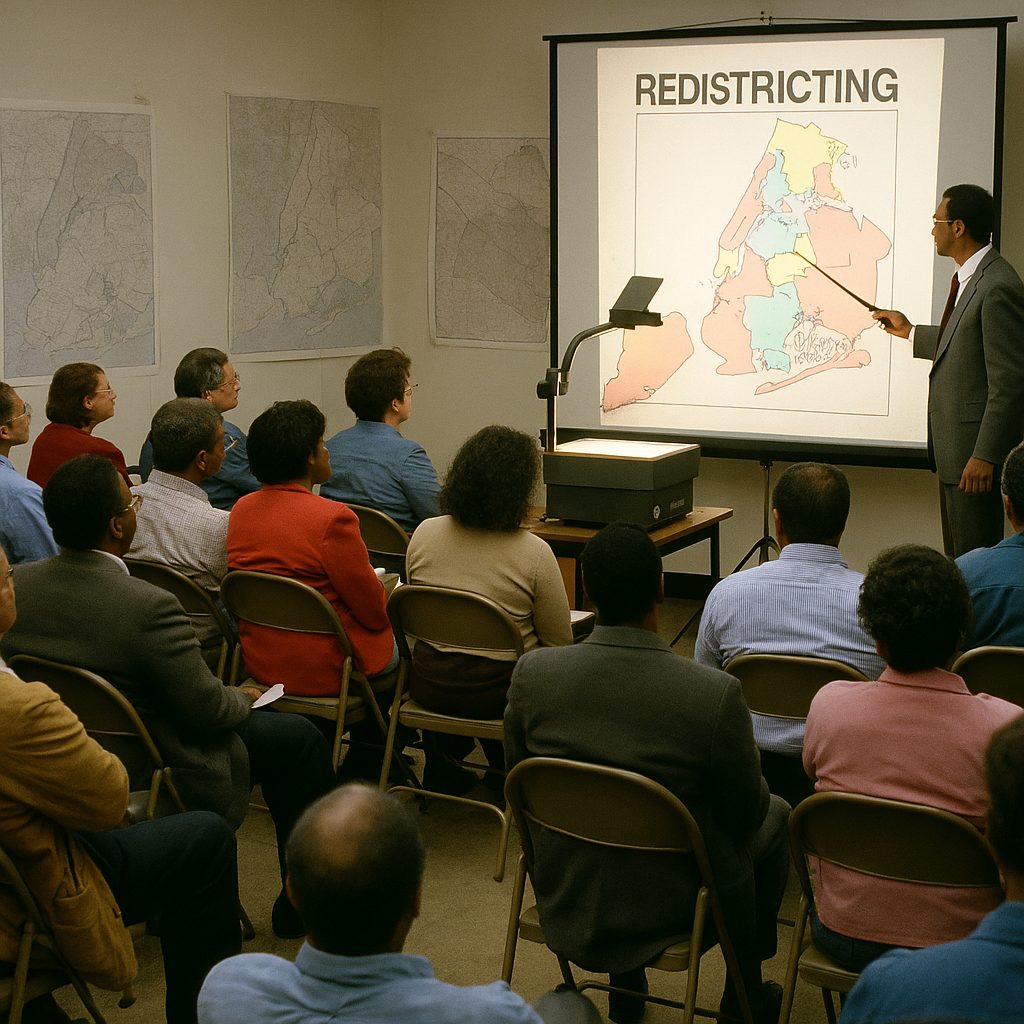
In the 1940s, Nixon led voter registration drives across Montgomery, often facing violent resistance. He founded the Alabama Voters League and helped challenge the state’s white primary system. His efforts prefigured the Voting Rights Act by two decades, proving that local infrastructure could shift national policy. In 1944, he led a march of over 700 Black residents to the Montgomery County Municipal Courthouse to challenge racist policies that prevented Black citizens from registering to vote.
Strategic Groundwork: How the E.D. Nixon Montgomery Bus Boycott Took Shape
The E.D. Nixon Montgomery Bus Boycott organization demonstrated his strategic brilliance. Nixon understood that success required three elements: a sympathetic plaintiff (Rosa Parks), a charismatic spokesperson (MLK), and unified community action. People often ask who bailed Rosa parks out of jail. When Rosa Parks was arrested on December 1, 1955, Nixon was ready. He had long anticipated a legal test case to challenge bus segregation — and Parks, with her impeccable reputation and quiet resolve, was the ideal figure. Nixon bailed her out, called the first planning meeting, and insisted on a coordinated response.
How E.D. Nixon selected Martin Luther King
He tapped a young minister, Martin Luther King Jr., to serve as the public face of the Montgomery Improvement Association. Nixon’s decision was tactical: King had charisma, oratorical power, and no entrenched political baggage. Behind the scenes, Nixon handled logistics, messaging, and community coordination — drawing on decades of union discipline and voter outreach.
The boycott lasted over a year, sustained by carpools, mass meetings, and economic pressure. Nixon’s infrastructure made that possible. His role wasn’t symbolic — it was operational.
Legacy of Infrastructure and Integrity
E.D. Nixon never sought the spotlight. He clashed with King and others over credit and strategy, but remained committed to the long game: building sustainable Black political power. He continued organizing into the 1980s, insisting that civil rights without economic and electoral power was incomplete.
His legacy lives not in speeches, but in systems — voter registration drives, union chapters, civic leagues, and the quiet machinery of resistance. Nixon modeled a form of leadership rooted in discipline, foresight, and institutional memory. He showed that movements need more than moments — they need infrastructure.
While Martin Luther King Jr. became the face of the movement, the E.D. Nixon Montgomery Bus Boycott planning and execution proved that true leadership often works behind the scenes. Nixon’s legacy reminds us that it is not necessarily the personality who takes the spotlight that shapes history. Movement success requires not only public leadership that the masses can follow, but behind the scenes organization and structure to build and sustain the movement.
📅 Timeline: E.D. Nixon’s Movement Milestones
| Year | Milestone |
|---|---|
| 1928 | Joins Brotherhood of Sleeping Car Porters |
| 1940 | Founds Alabama Voters League |
| 1944 | Helps challenge Alabama’s white primary |
| 1955 | Bails out Rosa Parks and launches Montgomery Bus Boycott |
| 1955–56 | Co-founds Montgomery Improvement Association |
| 1960s–70s | Continues voter registration and local organizing |
| 1985 | Honored by SCLC |
| 1987 | Passes away in Montgomery at age 87 |
🧭 Conclusion: E.D. Nixon Union Leader Alabama – The Architect We Almost Forgot
E.D. Nixon Montgomery Bus Boycott leader & strategist didn’t march for the cameras. He built the scaffolding that made the marches possible. His story reminds us that movements are not born in moments — they’re constructed over years, through union meetings, voter drives, and quiet acts of courage. Nixon’s legacy is not just the Montgomery Bus Boycott leadership; it’s the infrastructure of Black political power that continues to shape the South and the nation.
To remember E.D. Nixon Montgomery Bus Boycott is to remember that strategy matters. That working-class leadership matters. That behind every iconic image is someone who made the call, printed the flyer, knocked on the door, and refused to be erased.
We honor E.D. Nxon’s role in the Montgomery Bus Boycott leadership not just by telling his story — but by continuing his work.
📚 References & Further Reading on E.D. Nixon Montgomery Bus Boycott Leadership
These sources offer deeper insight into E.D. Nixon labor organizing, Pullman porter civil rights, the Brotherhood of Sleeping Car Porters Montgomery, E.D. Nixon’s life, E.D. Nixon labor organizing, and the E.D. Nixon role in Montgomery Bus Boycott :
- E.D. Nixon – Wikipedia
A comprehensive overview of Nixon’s biography, union work, and civil rights leadership. - Nixon, Edgar Daniel – Martin Luther King Jr. Research and Education Institute
Details Nixon’s collaboration with King and his behind-the-scenes organizing. - Edgar Daniel “E.D.” Nixon – Encyclopedia of Alabama
Focuses on Nixon’s Alabama roots, voter registration work, and political strategy. - Nixon, Edgar Daniel – Civil Rights Digital Library
Includes archival materials and references to Nixon’s broader impact on civil rights organizing. - E.D. Nixon – EBSCO Research Starters
A concise academic summary of Nixon’s life, labor background, and civil rights contributions.
About The Author