Milestones in Caribbean Influence on African American and African Liberation
Caribbean Influence on African American Liberation: From Hubert Harrison to Stokely Carmichael
By Black Politics Editorial Desk
Many Americans know that Crispus Attucks, a man of Barbadian heritage, was the first to die in the American Revolution. Yet few realize that the Caribbean influence on African American liberation has profoundly shaped the Black freedom struggle for over two centuries — from abolitionist thought to modern Pan-African organizing.
From Edward Wilmot Blyden and Hubert Harrison to Marcus Garvey, C.L.R. James, Claudia Jones, Cyril Briggs, and Elombe Brath, Caribbean-born and Caribbean-descended intellectuals and activists defined the vocabulary, strategies, and moral horizons of African American freedom movements. Their ideas flowed across the Atlantic — into Harlem, Montgomery, and Accra — binding the Black world together in a shared quest for self-determination.
From the Trans-Atlantic Slave Trade to Pan-African Leadership
The trans-Atlantic slave trade bound Africa, the Caribbean, and the American South into a single, brutal economic system that shaped the modern Black world. Millions of Africans were transported to the Caribbean before any reached the North American mainland, and the islands became both the first outposts of resistance and the earliest laboratories of cultural survival. Out of this crucible emerged a shared political consciousness — one that linked the freedom struggles of Africans in the Americas to the unbroken quest for liberation on the continent itself.
Because of these historical ties, it is hardly surprising that so many of the leading figures in both the African American and African liberation movements trace their heritage to the Caribbean. The triangular trade not only carried enslaved Africans but also ideas, faiths, languages, and revolutionary traditions that flowed back and forth across the Atlantic. The descendants of those forced migrations — Caribbean nationals such as Marcus Garvey, Cyril Briggs, and later Stokely Carmichael — brought an inherited memory of resistance. Their leadership within movements for Pan-Africanism, civil rights, and anti-colonial independence stands as a direct continuation of the trans-Atlantic struggle that began in the holds of the slave ships.
Historical Note:
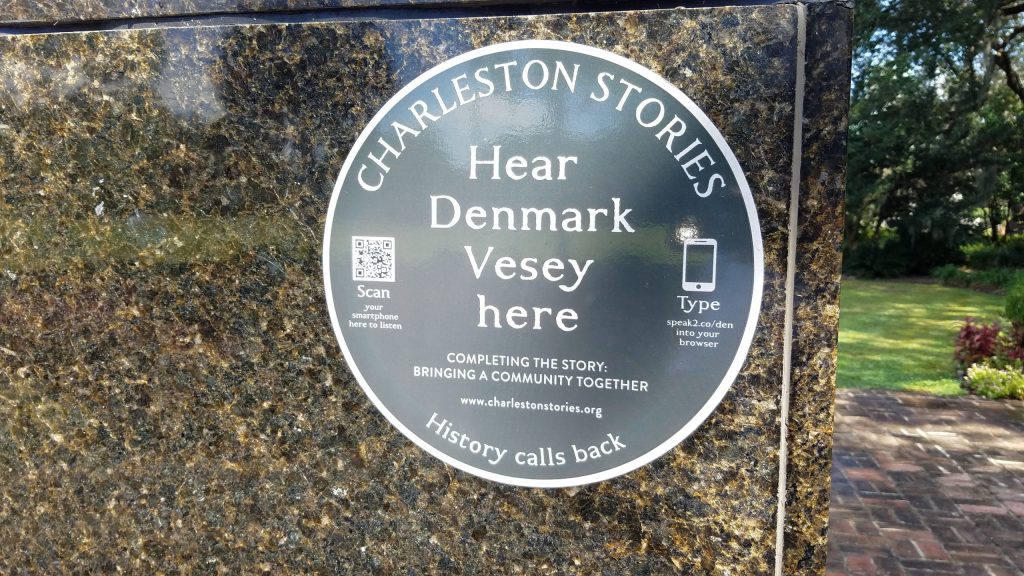
Haitian Revolution → Charleston:
Denmark Vesey (1822) drew direct inspiration from Haiti’s Black republic and envisioned defending a newly freed African-American nation in South Carolina with support from Haitian troops.
Caribbean influence on African American liberation.
Historical Note: Long before Blyden and Garvey articulated Pan-Africanism, the Haitian Revolution ignited Black freedom dreams across the Americas. In Charleston, Denmark Vesey (1822) drew direct inspiration from Haiti’s victory and envisioned defending a newly freed African-American republic with support from Haitian troops.
Caribbean intellectuals and Black liberation — the early foundations
Edward Wilmot Blyden: The Prophet of Pan-Africanism
Born in St. Thomas to Grenadian parents, Edward Wilmot Blyden (1832–1912) became one of the earliest voices of African cultural pride. His works — notably Christianity, Islam and the Negro Race — challenged European hierarchies and called for African agency. Blyden’s philosophy inspired both African nationalism and Caribbean radicalism, shaping later leaders from Marcus Garvey to W.E.B. Du Bois.
Howard University Archives — Edward Blyden Papers
Hubert Harrison: Father of Harlem Radicalism
Born in St. Croix in 1883, Hubert Henry Harrison arrived in Harlem in the early 1900s and became known as the “Black Socrates.” A brilliant orator and organizer, Harrison fused Caribbean anti-colonial consciousness with American socialism and racial pride. He founded The Voice, edited Garvey’s Negro World, and launched the Liberty League of Negro Americans, demanding racial justice long before the language of “human rights” was commonplace. Harrison influenced both Marcus Garvey’s nationalism and A. Philip Randolph’s socialism.
Columbia University Press — Hubert Harrison · Schomburg Center — Harrison Papers
Caribbean-born Black radicals in America
Marcus Garvey: The Universal Negro Improvement Association (UNIA)
Born in St. Ann’s Bay, Jamaica, Marcus Garvey founded the UNIA, building a mass movement for Black pride, self-reliance, and economic independence. By the early 1920s, the UNIA had chapters throughout the Americas and Africa — the largest global organization of Black people in history. Garvey’s “Back to Africa” vision prefigured later Pan-African efforts and influenced movements from the Nation of Islam to Rastafarianism.
UCLA — Garvey Digital Archives
Cyril Briggs and the African Blood Brotherhood (ABB)
Cyril Valentine Briggs, born in Nevis, founded the African Blood Brotherhood in 1917. This revolutionary organization blended Garveyite pride with Marxist analysis and advocated Black armed self-defense. Through his newspaper The Crusader, Briggs denounced lynching, imperialism, and capitalism — anticipating later tones of Black radicalism.
Arturo Schomburg: Guardian of Black History
Arturo Alfonso Schomburg, born in Puerto Rico to African-Caribbean parents, amassed thousands of rare works chronicling Black life. His archives formed the foundation of the Schomburg Center for Research in Black Culture, one of the world’s most important repositories of Black history.
Claude McKay: Poet of Revolt
Claude McKay, Jamaican poet and novelist, injected a militant voice into the Harlem Renaissance. His sonnet If We Must Die became an anthem after the 1919 “Red Summer.” McKay’s Marxist sympathies and Pan-African vision linked Harlem to anti-colonial uprisings across the globe.
Poetry Foundation — Claude McKay
Pan-Africanism from the Caribbean — bridging hemispheres
Caribbean thinkers helped globalize Black liberation:
- C.L.R. James (Trinidad) wrote The Black Jacobins (1938), connecting the Haitian Revolution to modern anti-colonialism.
- George Padmore (Trinidad) mentored Ghana’s Kwame Nkrumah and organized Pan-African congresses.
- Amy Ashwood Garvey, co-founder of the UNIA, brought feminist perspectives into Pan-African organizing.
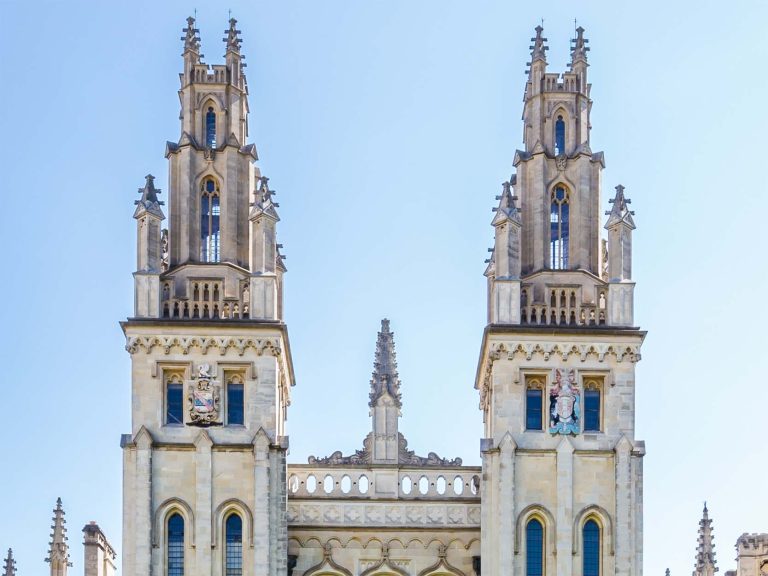
Oxford — Pan-African Congress Archives
Carlos Russell and the Birth of Black Solidarity Day
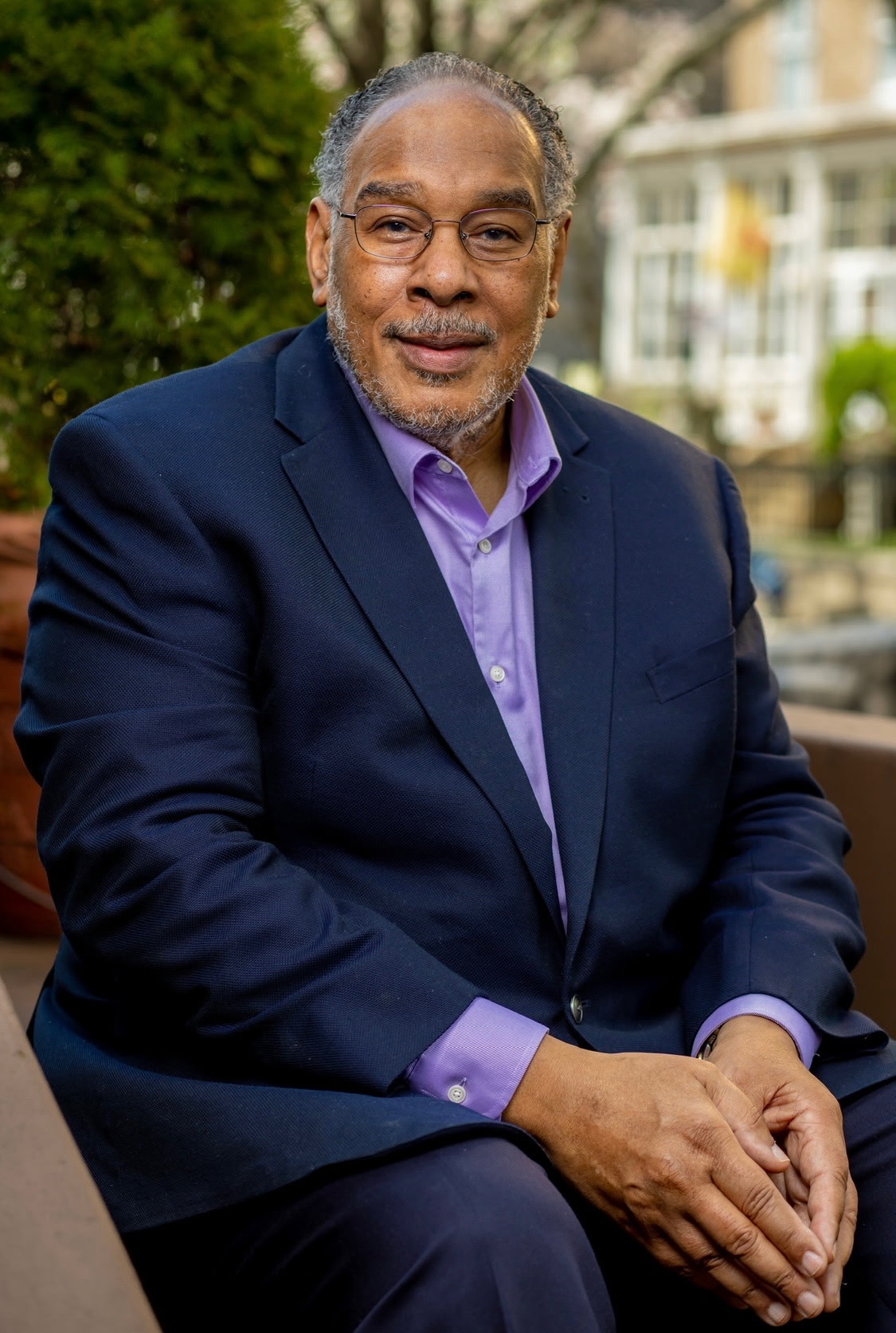
Born in Panama, Dr. Carlos E. Russell was a scholar, diplomat, and visionary who founded Black Solidarity Day in 1969. The observance, held on the Monday before Election Day, called for African Americans to withhold spending and work to dramatize the social and economic power of Black unity.
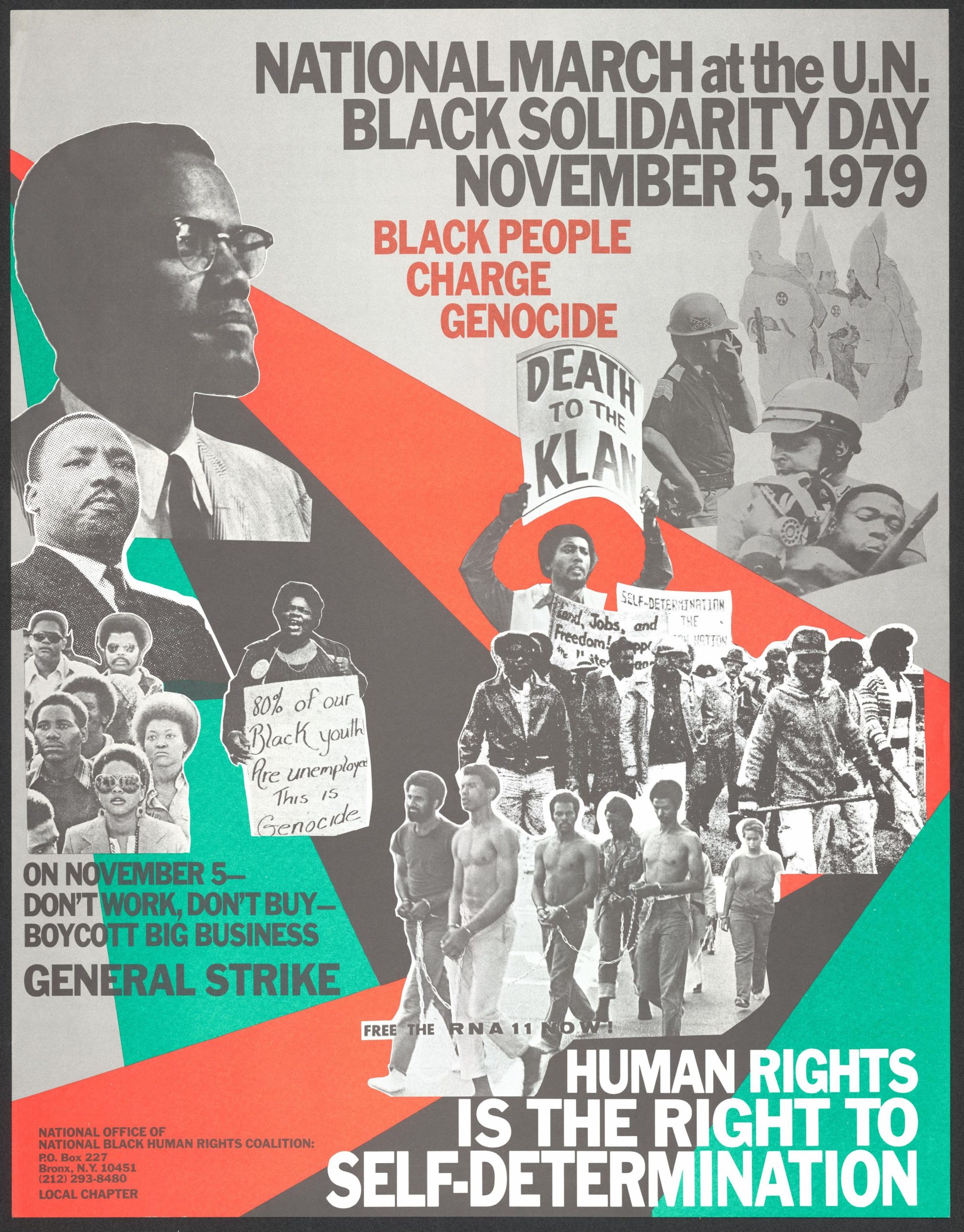
In 1979, the National Black Human Rights Coalition—which included Elombe Brath among its key members—joined with Russell to commemorate the 10th anniversary of Black Solidarity Day. The NBHRC organized a landmark march from Harlem to the United Nations on November 5th, carrying forward Malcolm X’s legacy of international human rights advocacy. The event highlighted how Caribbean-born activists infused African American movements with a global consciousness linking Harlem to Havana, Accra, and Port-au-Prince.
“Black Solidarity Day was never just a protest,” Russell explained. “It was a day of collective self-respect—a reminder that we, too, move the world.”
Caribbean diaspora in U.S. civil rights and Black Power
Claudia Jones (Trinidad)
Journalist and communist feminist Claudia Jones theorized “triple oppression” — race, gender, and class — decades before the term “intersectionality.” After deportation during McCarthyism, she founded the West Indian Gazette in London and organized the first Caribbean Carnival that preceded Notting Hill Carnival.
Marxists.org — Claudia Jones Archive
Stokely Carmichael / Kwame Ture (Trinidad)
Born in Port of Spain, Trinidad, Stokely Carmichael immigrated to the United States, led the Student Nonviolent Coordinating Committee (SNCC), and popularized the phrase Black Power. His later collaboration with Kwame Nkrumah in Guinea exemplified the deep Pan-African ties between the Caribbean, Africa, and the U.S.
SNCC Digital Gateway — Stokely Carmichael
Malcolm X (Grenadian lineage)
Malcolm X absorbed Garveyite ideas from his mother, Louise Little, who was born in Grenada. His Pan-African outlook, especially after his Africa travels, echoed the Caribbean radical tradition and helped internationalize the U.S. civil rights struggle.
Columbia University — Malcolm X Project
Caribbean-born Black radicals — Elombe Brath and the Patrice Lumumba Coalition
Elombe Brath (1936–2014), born in Harlem to Barbadian parents, embodied the living continuum of Caribbean influence on African American liberation. Raised within a Garveyite household and directly mentored by Carlos A. Cooks of the African Nationalist Pioneer Movement (ANPM), Brath translated nationalist philosophy into mass political education and cultural pride.
As a co-founder of the African Jazz-Art Society and Studios (AJASS), he helped ignite Black Is Beautiful, using media and aesthetics as political tools. In the 1970s, he founded the Patrice Lumumba Coalition (PLC), Harlem’s diplomatic front for African liberation, which connected everyday New Yorkers with leaders of revolutionary movements from Angola, Mozambique, Namibia, Guinea-Bissau, and South Africa.
Through PLC forums and teach-ins, Brath brought figures and representatives linked to Samora Machel, Agostinho Neto, Amílcar Cabral, and the ANC leadership directly into Harlem’s public sphere. When Nelson Mandela visited the U.S. in 1990, Brath and PLC activists were central to Harlem’s welcome, culminating decades of Pan-African solidarity work.
Brath later worked with the December 12th Movement, maintained a steadfast anti-apartheid stance, and mentored generations of younger activists. In him, the ideological line from Marcus Garvey to Carlos A. Cooks to modern Pan-Africanism found a disciplined, creative steward.
Amsterdam News — Remembering Elombe Brath · BlackStar News — Patrice Lumumba Coalition · December 12th Movement
Caribbean roots of American Black activism — the living legacy
- Pan-African consciousness in civil rights and Black Power discourse.
- Cultural nationalism that birthed movements like “Black Is Beautiful.”
- Institution building from the UNIA to the Schomburg Center to the Patrice Lumumba Coalition.
- Intercontinental solidarity, linking U.S. struggles with African decolonization and anti-apartheid campaigns.
Today, organizations such as the Caribbean Cultural Center African Diaspora Institute continue the transatlantic mission of political education, cultural pride, and solidarity.
🏛️ Caribbean Heritage and Black Political Power
The influence of Caribbean-born leaders also extended into the sphere of electoral politics, where their global perspectives reshaped U.S. governance.
- Shirley Chisholm (Barbadian and Guyanese heritage) — The first Black woman elected to Congress (1968) and the first to seek a major party’s presidential nomination (1972). Chisholm’s Pan-Caribbean background informed her insistence on independence, education, and gender equality.
- Mervyn M. Dymally (Trinidad and Tobago) — The first foreign-born Black man elected to the U.S. Congress in modern times and later lieutenant governor of California, Dymally bridged African American and Caribbean constituencies and championed international human rights.
- Dr. Waldaba H. Stewart Jr. (Panama) — A New York City educator, activist, and political scientist, Stewart was a leading theorist of diaspora identity who helped institutionalize Pan-African and Caribbean studies in academia and civic life.
These figures exemplified how Caribbean intellectual and activist traditions found expression not only in protest but also in policy, translating liberation ideals into legislative agendas and community empowerment.
Sources and Further Reading
- Howard University Archives — Edward Blyden Papers
- Columbia University Press — Hubert Harrison
- NYPL — Schomburg Center
- UCLA — Garvey Digital Archives
- BlackPast — Cyril Briggs
- Poetry Foundation — Claude McKay
- Oxford — Pan-African Congress Archives
- Marxists.org — Claudia Jones
- SNCC Digital Gateway — Stokely Carmichael
- Columbia University — Malcolm X Project
- Amsterdam News — Elombe Brath
- BlackStar News — Patrice Lumumba Coalition
- December 12th Movement
October 5th, 2025
About The Author