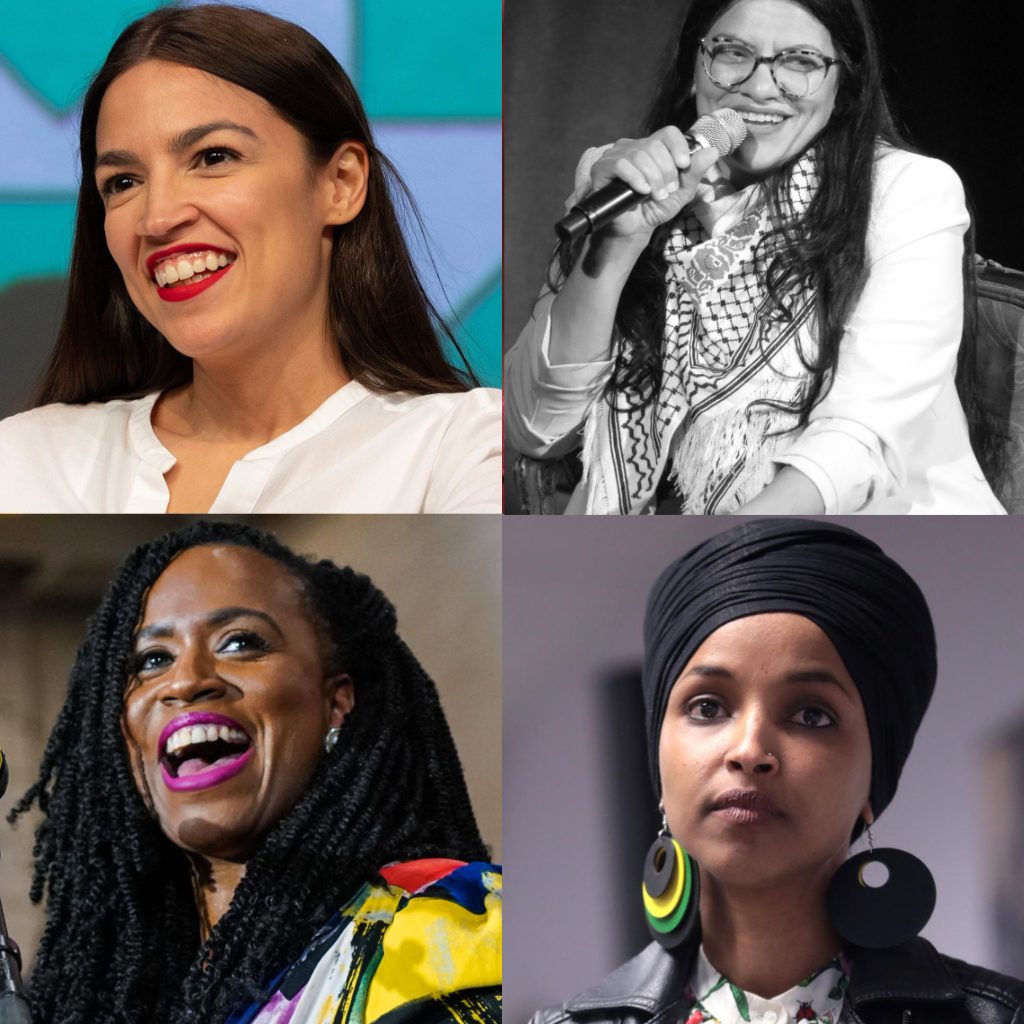
Women Candidates AOC, Rashida Tlaib, Ayanna Pressley, and Ilhan Oma
Despite more women candidates, women Lost Ground in 2020 . In 2020, Black women ran in 117 primaries for the House – a new record – and 13 Black women ran for the U.S. Senate. Overall, 643 women candidates ran for Congress. Jahana Hayes and Lauren Underwood were reelected to the House of Representatives. The 643 women candidates in congressional primary and general elections included a record number of Asian or Pacific Islander, Latina, Middle Eastern or North African and Native American women. Still, women ended up losing eight seats in Congress. In 2018, the nation elected 127 women – and 48 women of color – to the House and Senate. This year, that dropped to 117 women and 45 women of color.
Throughout my career as a political science professor, I’ve studied women’s representation in mayoral, congressional, gubernatorial and presidential elections. Here’s my look at the female demographics of Congress following the 2020 elections.
Freshmen no More – Women Candidates Retained their Seats
Many of the women candidates first elected to Congress in 2018 retained their seats. All four members of “the Squad” were reelected. These women – Ayanna Pressley, Ilhan Omar, Alexandria Ocasio-Cortez and Rashida Tlaib – are Democratic women of color known for their progressive policies, including the Green New Deal. Women candidates also reelected were Illinois Democrat Lauren Underwood, winner of a predominantly white and Republican district in 2018; Jahana Hayes, the first Black woman to represent Connecticut; and Georgia’s Lucy McBath, winner in a district that had been held by Republicans for almost four decades. The reelection of these women candidates prove that their victories in 2018’s “pink wave” weren’t a fluke and that they have real staying power in Congress.
Some Black Women Ran Against Each Other
In some of the 2020 congressional races, Black women ran against each other – a sign of their strong participation. For example, Florida’s Val Demings, Florida’s Frederica Wilson and Georgia’s Nikema Williams – who will succeed the late civil rights icon John Lewis – won their congressional races after defeating other Black women candidates. Among the blac women elected was activist Cori Bush to represent Missouri in the 117th Congress.
Some women candidates will be joining Congress for the first time in January 2021. Cori Bush, a Black Lives Matter activist, became the first of Missouri’s Black women elected to Congresswoman and represents a district that includes the cities of St. Louis and Ferguson, the site of the police killing of African American teenager Michael Brown in 2014. Ferguson also elected its first Black woman candidate as mayor this year. Bush defeated African American Congressman William Lacy Clay Jr.. Clay, Jr. and his father represented the district for over 50 years. Other women of color joining Congress for the first time include Telemundo journalist Maria Elvira Salazar, a Republican who unseated Donna Shalala in Florida, and attorney Teresa Fernandez, a Democrat from New Mexico.
Some Women Candidates Lost
Some underdog women candidates didn’t make it. So who lost? Arkansas’s Joyce Elliott, a teacher and veteran state legislator, came up short in her bid to become the first African American congressional member from Arkansas. Florida’s Pam Keith, a military veteran and attorney, lost by a wide margin to her Republican opponent. Patricia Timmons-Goodson, the first African American member of the North Carolina Supreme Court whose federal judicial nomination by Barack Obama was blocked by Republicans, failed to win a seat in Congress. Also coming up short was Tennessee’s Marquita Bradshaw, a single mother and environmental activist who would have been Tennessee’s first Black woman elected to Congress if she had won. California’s Tamika Hamilton, Georgia’s Vivian Childs, Maryland’s Kimberly Klacik and Ohio’s Lavern Gore are all Republicans who ran in mostly urban Democratic districts, but none won on election night.
Most Black Women Elected to Congress are Democrats
All Black women elected to Congress – with the exception of Utah’s Mia Love, who served one term in the House – have been Democrats, suggesting that the path to victory is especially steep for Black Republican women. A white man’s government? For most of its history, the members of both Houses of Congress have been white men. The monotony began to break in 1917 when Montana’s Jeannette Rankin became the first female congresswoman. In 1964, Hawaii’s Patsy Mink became the first Asian American congresswoman. The first Latina, Ileana Ros-Lehtinen of Florida, was elected in 1989. In 1968, the late Shirley Chisholm became the first Black woman to serve in Congress. Four years later, two more Black women arrived in Congress, Barbara Jordan of Texas and Yvonne Braithwaite-Burke of California. Chisholm called Black women “catalysts for change” in politics. U.S. Rep Maxine Waters, a Democrat from California, once tweeted, “I cannot be intimidated and I’m not going anywhere.”
Kimberlé Crenshaw’s theory of intersectionality suggests Black women candidates are disadvantaged because of the “intersection” of their racial, gender and class identities. One result is that they encounter disadvantages when running for office. Some of these women were disadvantaged by their race, gender or class when running against well-funded incumbents. Yet, my work in the field of women candidates and politics also suggests that the long tradition of Black female political leadership in America is gaining momentum. This article is republished from The Conversation, a nonprofit news site dedicated to sharing ideas from academic experts. It was written by: Sharon Austin, University of Florida.Read more:Sharon Austin does not work for, consult, own shares in or receive funding from any company or organization that would benefit from this article, and has disclosed no relevant affiliations beyond their academic appointment.
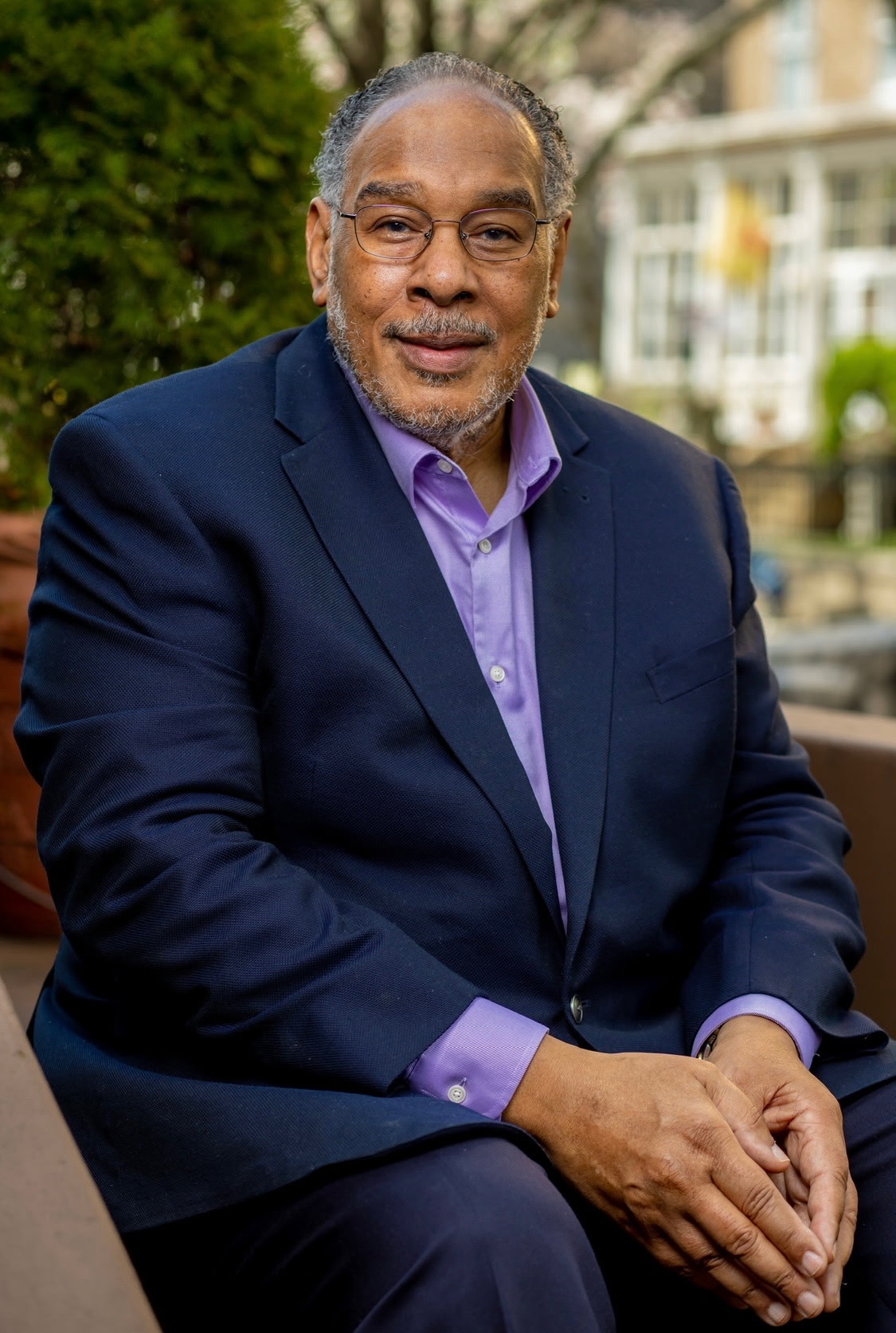
About The Author