Brooklyn's African Street Carnival - International African Arts Festival
The African Street Carnival: The East’s Festival of Pan-African Joy
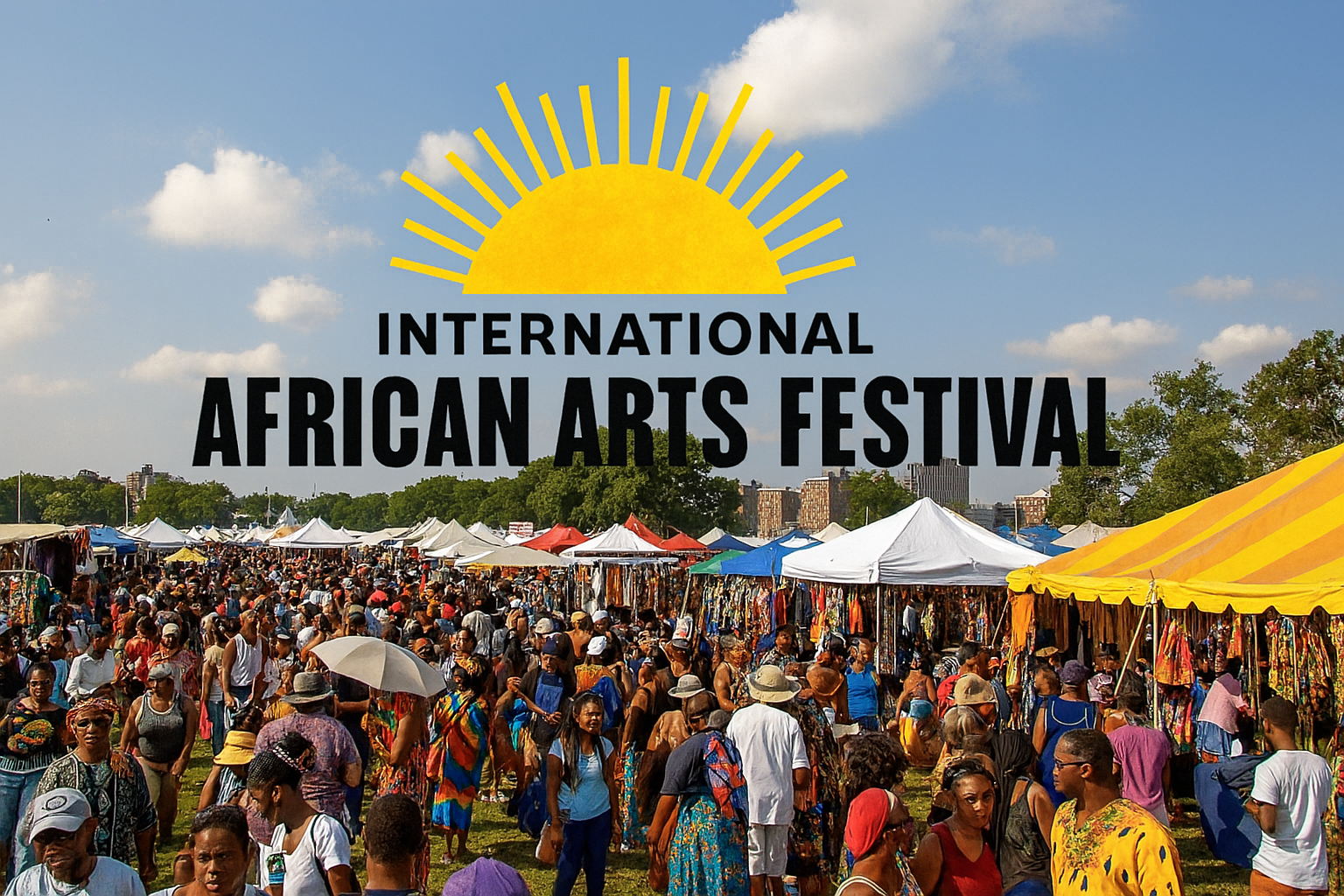
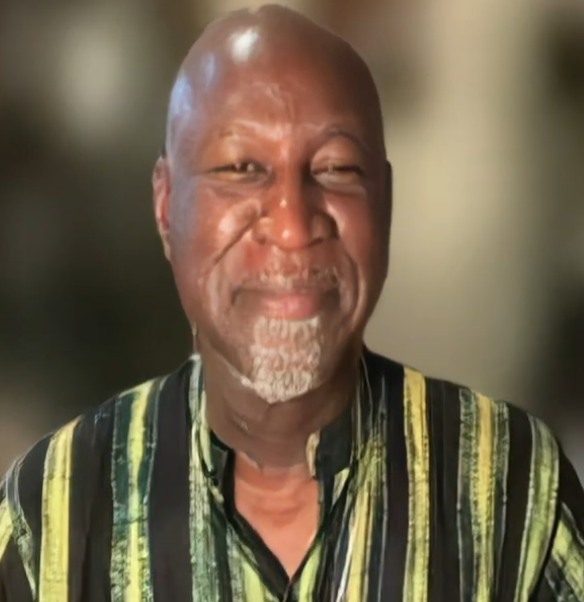
Brooklyn’s African Street Carnival, founded in the early 1970s by members of The East including Segun Shabaka, was more than a neighborhood celebration — it was a public declaration of Black cultural sovereignty. What began as a local street fair in Bedford-Stuyvesant evolved into the International African Arts Festival, now one of the longest-running Pan-African cultural events in the United States.
🌱 Origins and Purpose
- Conceived as a cultural extension of The East’s political mission
- Created space for Black artists, vendors, educators, and performers to gather, teach, and celebrate
- Served as a public-facing counterpoint to the internal work of Uhuru Sasa Shule and Black News
The African Street Carnival began in 1971 as a fundraiser for Uhuru Sasa Shule, organized by members of The East including Segun Shabaka. What started as a modest event with 20 vendors and local performers quickly grew into a cultural institution. Held in the streets of Bedford-Stuyvesant, the Carnival was a living expression of Pan-African joy, community economics, and cultural sovereignty. It offered a public-facing counterpoint to the internal work of The East — bringing African-centered education, music, and art into the open air.
By 1975, the event had outgrown its original footprint and moved to the field at Boys and Girls High School, rebranded as the African Street Festival. This shift marked its evolution from a neighborhood gathering to a citywide celebration. Eventually, it became the International African Arts Festival (IAAF), relocating to Commodore Barry Park and later other Brooklyn venues. Today, it draws over 75,000 attendees annually.
Since its founding, the festival has ignited the minds and spirits of millions — transforming public space into a classroom of culture, resistance, and joy. Through its artists, rituals, and community gatherings, it has educated generations in the beauty and power of Pan-African identity.
🎶 Programming and Atmosphere
The Carnival was immersive and intergenerational. It featured performances by legendary artists such as Sun Ra, Max Roach, The Last Poets, and Babatunde Olatunji. Youth poetry, African dance troupes, fashion shows, and storytelling circles created a vibrant, participatory atmosphere. Vendor booths sold books, crafts, and food — many operated by Black-owned businesses aligned with The East’s cooperative economic model.
Workshops on holistic wellness, African spirituality, and traditional medicine were common, alongside drumming circles and open-air lectures. The festival became a space where cultural education met political consciousness, reinforcing The East’s mission to build sovereign Black institutions.
🏛️ Institutional Legacy
The Carnival modeled public cultural diplomacy rooted in Black self-determination. It created a repeatable template for community-based festivals across the country — blending art, education, and commerce. Even as the IAAF faced challenges like eviction from Commodore Barry Park in 2025, its legacy endures through its programming, alumni, and continued relevance as a Pan-African gathering space.
“The festival gives us a picture of ourselves, who we are, and where we came from.” — Dr. Segun Shabaka
The Carnival was a living syllabus — teaching African heritage, diasporic pride, and community economics through music, dance, and marketplace exchange.
🎶 Programming and Atmosphere
- Featured performances by:
- The Last Poets
- Olatunji
- Max Roach
- Sun Ra
- Included:
- African drumming and dance troupes
- Fashion shows and parades
- Youth poetry and storytelling
- Vendor booths selling books, crafts, and food
The festival was immersive — a sensory experience of Black joy, resistance, and global connection.
🏛️ Institutional Legacy
- Eventually rebranded as the International African Arts Festival (IAAF)
- Moved from local streets to Commodore Barry Park, then later to Flatbush and other Brooklyn venues
- Still active today, celebrating over 50 years of cultural programming
The IAAF remains a living legacy of The East, preserving its ethos of Pan-African unity and cultural education.
👥 Key Organizers
- Dr. Segun Shabaka: Cultural strategist and longtime festival director
- Supported by educators, artists, and vendors from The East’s broader ecosystem
Their work ensured that the festival was not just entertainment — it was political pedagogy in public space.
🧭 Why It Matters Today
The Carnival/Festival modeled:
- Public cultural diplomacy rooted in Black sovereignty
- Economic empowerment through Black-owned vendor networks
- Intergenerational transmission of African heritage
It remains a blueprint for organizers seeking to fuse art, education, and political consciousness in community settings.
November 9, 2025
About The Author