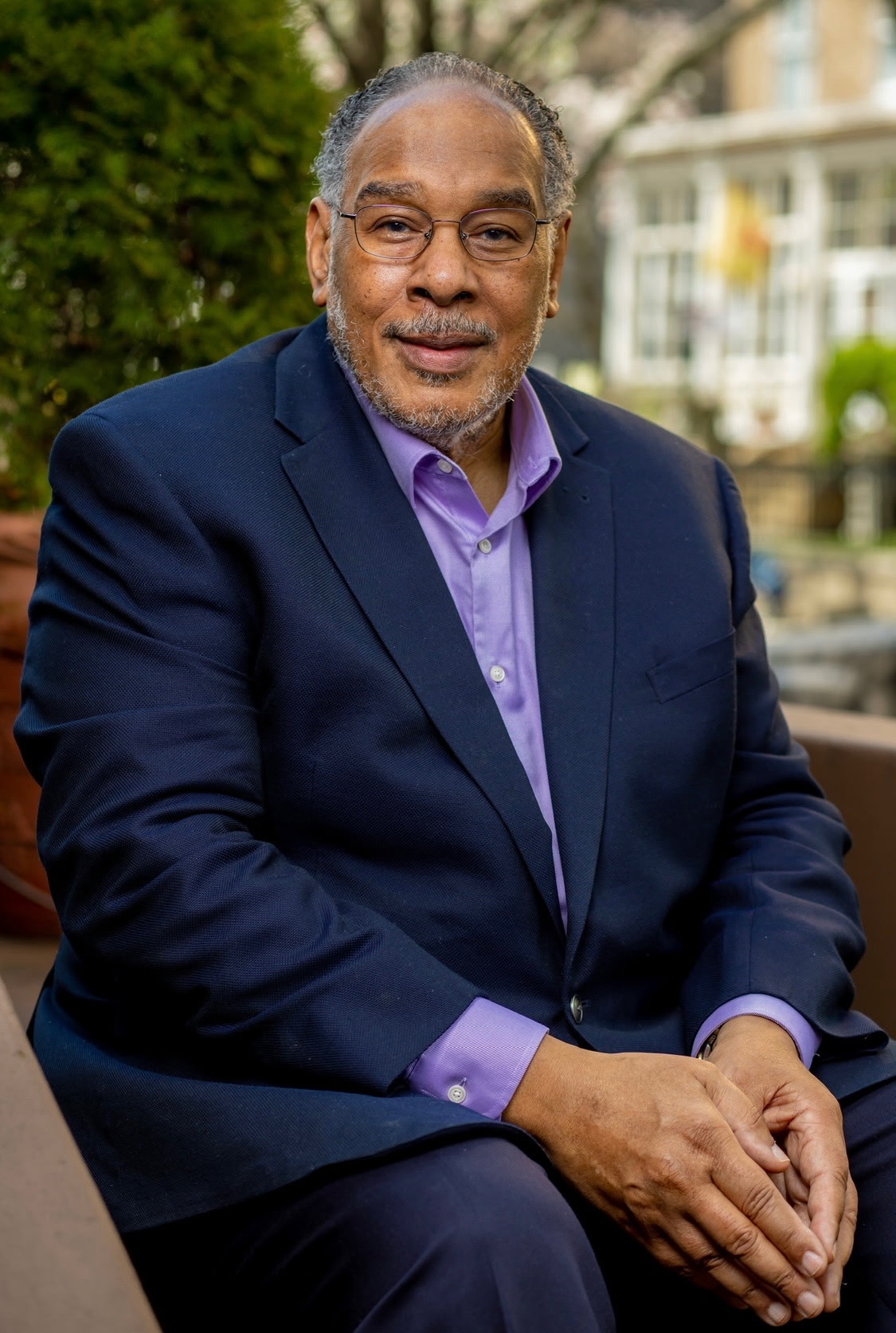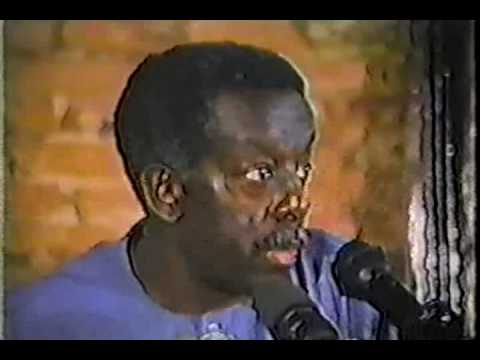
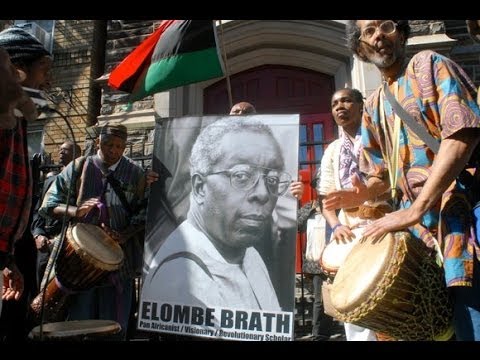
Elombe Brath
✊🏾 Elombe Brath and the Patrice Lumumba Coalition — Garvey’s Heir, Cooks’ Disciple, and Harlem’s Global Conscience
Elombe Brath—Garvey and Carlos Cooks disciple—co-founded the Patrice Lumumba Coalition (PLC), along with fellow activists Irving Davis and Samori Marksman. The PLC was known for linking Harlem to African liberation movements from Cabral to Mandela. Few figures embody the living continuum of Caribbean influence on African American liberation better than Elombe Brath (1936–2014).
Caribbean-born Black Radicals
Born in Harlem to Barbadian parents, Brath inherited the Garveyite tradition not from books, but from the living heartbeat of Harlem’s Pan-African community. His parents were members of the Universal Negro Improvement Association (UNIA), and his early years were steeped in the Black nationalist culture Garvey had built.
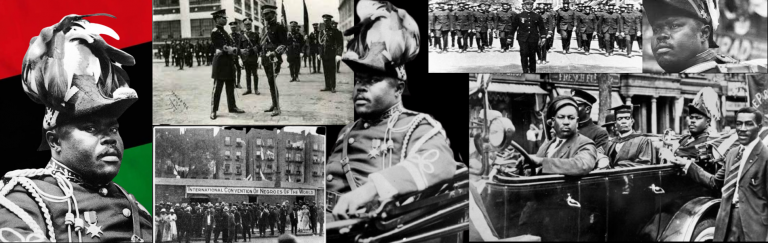
A Student of Marcus Garvey and Carlos Cooks
Brath described himself as a student of Carlos A. Cooks, who in turn had been a direct ideological descendant of Marcus Garvey.
Cooks, born in the Dominican Republic, founded the African Nationalist Pioneer Movement (ANPM) in 1941 and taught that “African people must control their own institutions.”
From Cooks, Brath absorbed the practical discipline of African nationalism — the need for organizational self-reliance, cultural pride, and uncompromising solidarity with Africa’s liberation.
By the late 1950s and early 1960s, Brath was already merging that philosophy with his artistic and media skills.
He cofounded African Jazz-Art Society and Studios (AJASS), a cultural collective that helped launch the Black Is Beautiful movement and produced the historic Naturally ’62 fashion show, celebrating African aesthetics at a time when mainstream America still demonized them.
➡️ NY Amsterdam News – Remembering Elombe Brath
Founding the Patrice Lumumba Coalition
In the early 1970s, as African independence struggles reached their climax, Brath founded the PLC — named for the martyred Congolese Prime Minister.
The PLC became Harlem’s diplomatic front for African liberation, a place where African American activists, intellectuals, and artists met directly with revolutionaries from Angola, Mozambique, Namibia, Guinea-Bissau, and South Africa.
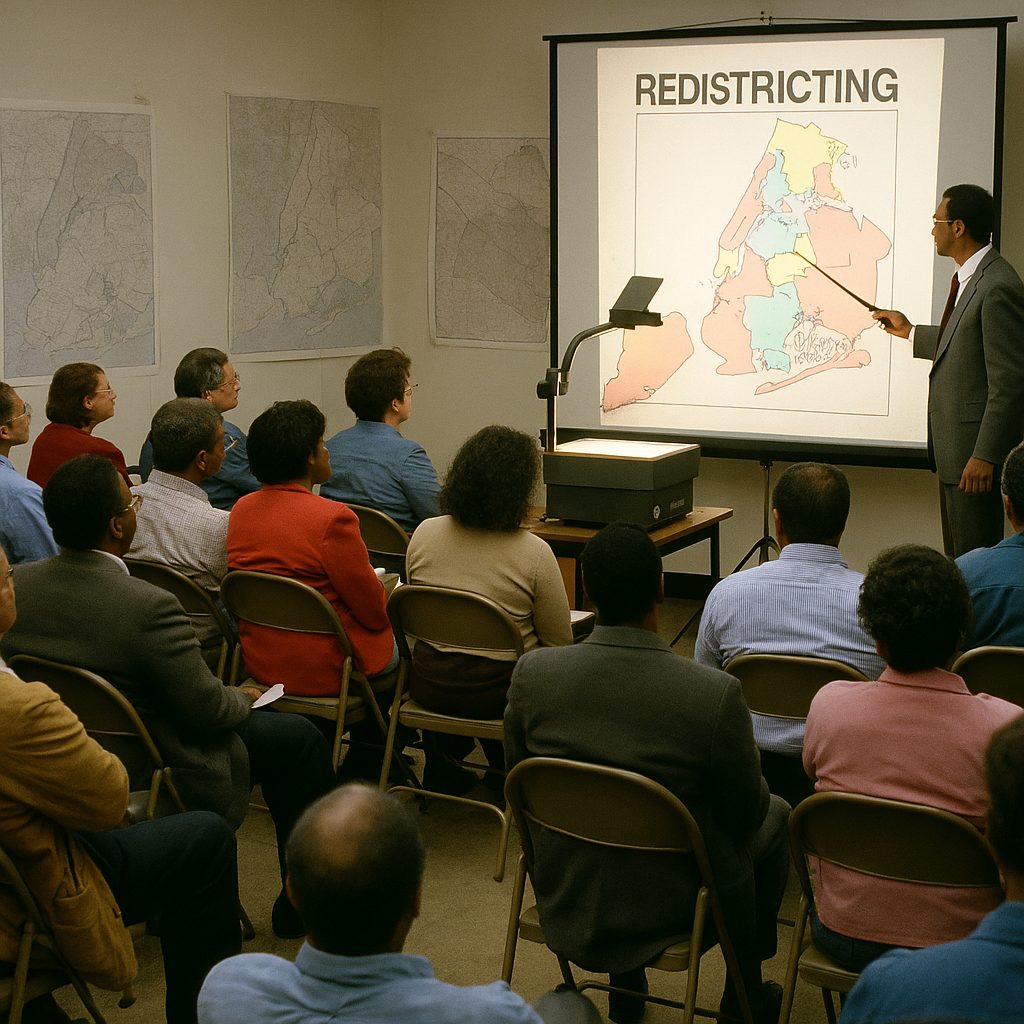
Through the PLC, Brath brought African revolutionaries to the American public, organizing forums at the Audubon Ballroom, the Theresa Hotel, the Harriet Tubman School (PS 154 Harlem), and the Schomburg Center.
He hosted speakers such as Samora Machel (Mozambique), Agostinho Neto (Angola), Amílcar Cabral (Guinea-Bissau), Oliver Tambo and Thabo Mbeki (ANC), and later Nelson Mandela himself.
When Mandela visited the United States after his release from prison in 1990, Brath and members of the Coalition were at the forefront of welcoming him, recognizing in Mandela’s struggle the realization of decades of Pan-African solidarity.
➡️ BlackStar News – Tribute: Elombe Brath, Pan-African Who Championed Africa, Dies
A Bridge Between Movements
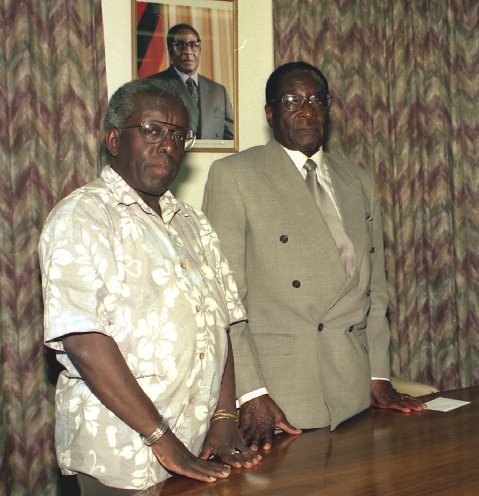
Elombe Brath’s genius was not only his organizing, but his ability to translate global revolution into community consciousness.
He turned Harlem into a Pan-African listening post — where ordinary Black New Yorkers could hear directly from the leaders of Africa’s freedom struggles.
Under Brath’s direction, the PLC:
- Coordinated boycotts against apartheid-linked corporations.
- Held teach-ins on Portuguese colonialism and African unity.
- Partnered with artists and journalists to ensure Africa’s voice was heard on American airwaves.
- Created direct, people-to-people relationships between Harlem and African liberation fronts.
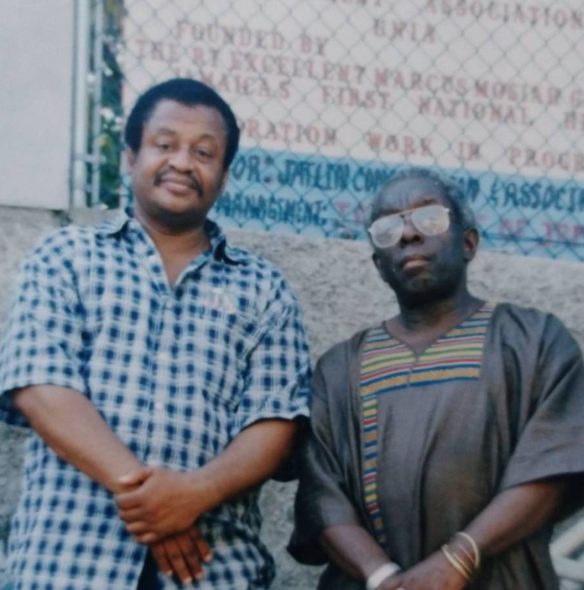
He also served as a founding member of the December 12th Movement and as a leading member of the National Black Human Rights Coalition, along with fellow activist and close friend, Muntu Matsimela, continuing to advocate African self-determination, political education, and economic empowerment for the diaspora.
➡️ December 12th Movement – Historical Background
The Caribbean Continuum — From Garvey to Mandela
Elombe Brath’s legacy completes the arc of Caribbean influence on African American liberation:
Marcus Garvey envisioned the global unity of African peoples.
Carlos Cooks institutionalized that philosophy in mid-century Harlem.
Elombe Brath operationalized it — connecting Caribbean thought to African revolution and U.S. civil rights.
Through him, the ideological line from St. Ann’s Bay, Jamaica, to Harlem, New York, met the revolutionary energy of Accra, Luanda, and Johannesburg.
By the time Nelson Mandela stood before cheering crowds in Harlem in 1990, the audience he addressed — politically literate, globally conscious, and proudly African — was the product of that long Caribbean mentorship chain.
Brath’s mentorship of younger activists, his use of media as a revolutionary tool, and his insistence that culture is political made him a living synthesis of Garvey’s nationalism, Cooks’ discipline, and the modern global struggle for Black freedom.
References:
Patrice Lumumba Coalition Archives
October 5th, 2025
About The Author